The first time I heard someone talk about a komodo habitat, I imagined thick jungle and giant reptiles hiding behind trees like in some old adventure movie. Turns out, it’s not really like that. Not exactly. The real place feels drier, harsher, quieter. Almost lonely in some areas.
And weirdly… that makes it even better.
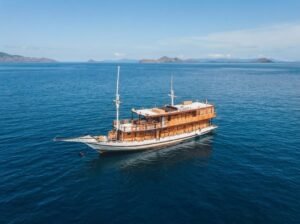
Most people who visit eastern Indonesia usually start with the beaches or diving plans. Then somehow the conversation shifts. Someone mentions dragons. Suddenly everyone wants to join a Komodo trip. That’s usually how it starts. A random conversation over coffee in Labuan Bajo, sweaty weather, salty air everywhere, and then boom — now you’re booking an open trip Labuan Bajo package for the next morning.
Honestly, I get it.
Because the moment you step into the islands around Komodo National Park, the atmosphere changes immediately. The hills look ancient. The ground cracks under your shoes. Even the wind feels different there.
The Real Shape of a Komodo Habitat
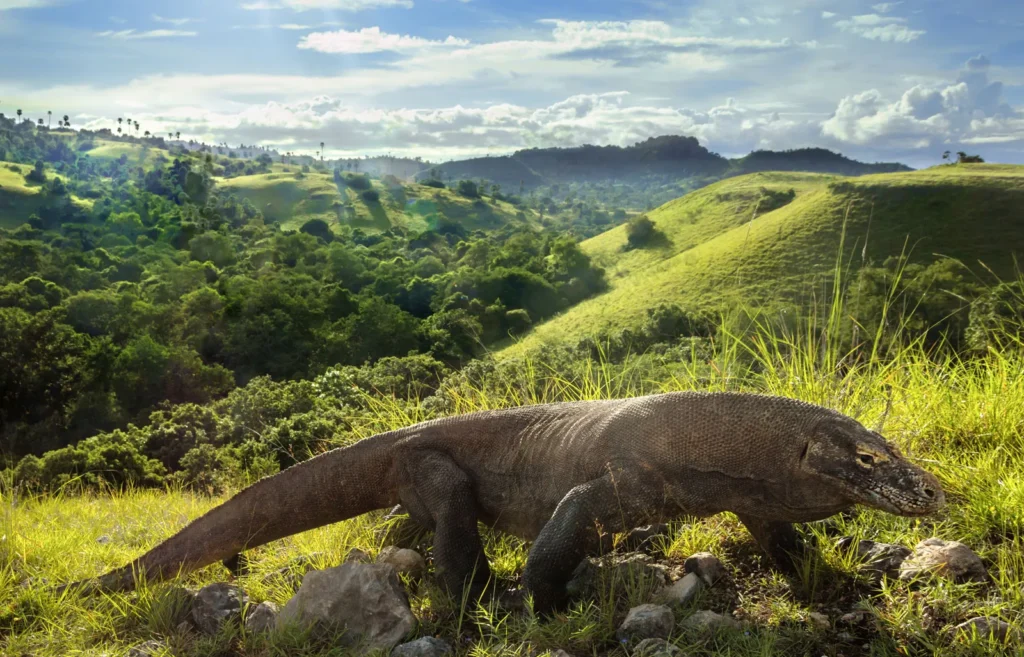
A komodo habitat is not lush rainforest like many travelers expect. That surprised me too.
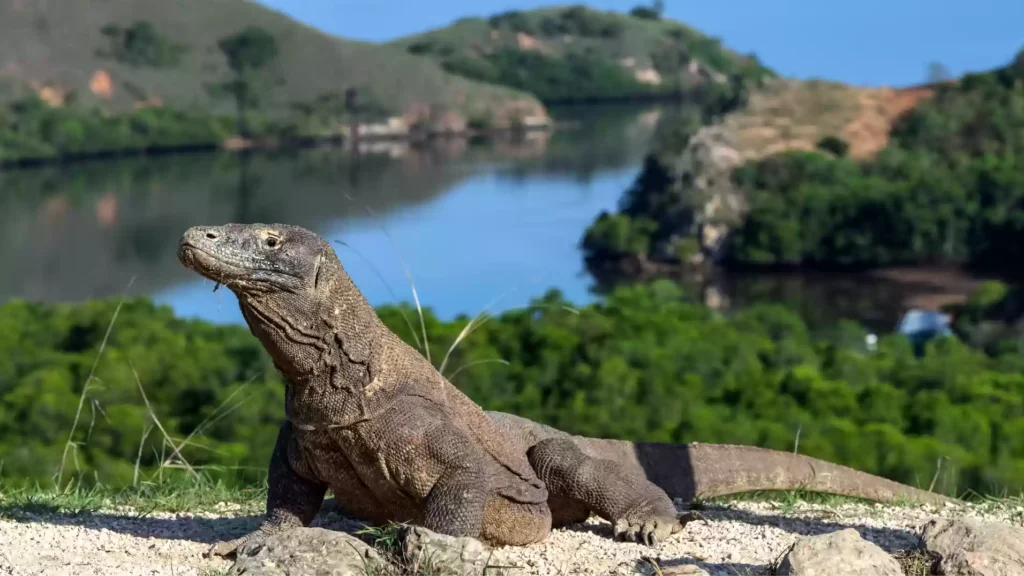
The islands where Komodo dragons live are mostly dry savanna landscapes mixed with rocky hills and scattered trees. During the dry season, everything turns yellowish-brown. Grass moves slowly under hot wind. The earth smells dusty.
It feels raw.
There’s this strange silence sometimes. Not complete silence, obviously. You still hear insects, birds, boat engines from far away maybe. But the islands have this empty feeling that’s hard to explain properly.
Maybe because humans don’t fully control the place.
And honestly, that’s rare now.
The main komodo habitat exists around several islands inside Komodo National Park, especially Komodo Island and Rinca Island. Smaller surrounding islands also support the ecosystem, although not all still have dragon populations today.
Interestingly, the environment fits the dragons perfectly. Hot temperatures help their metabolism. Open terrain makes ambush hunting easier. And prey animals still roam the islands naturally.
Nature built this place for them.
Or maybe they shaped it together over thousands of years. Hard to say.
Why Komodo Dragons Thrive Here
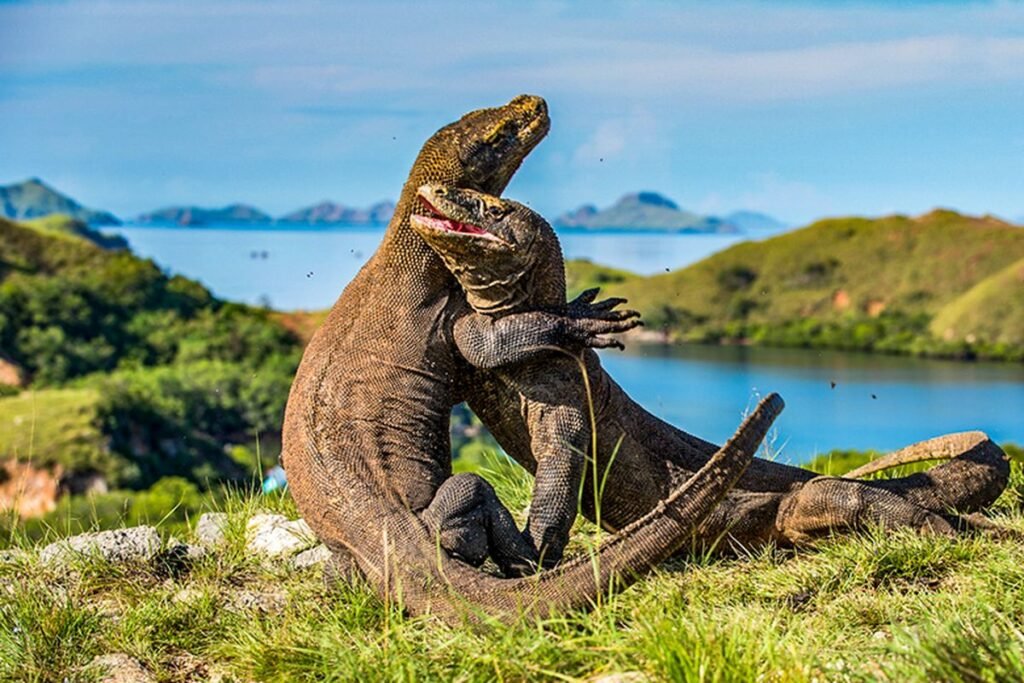
A komodo habitat works because it provides three things the dragons need most: heat, prey, and space.
Simple. Brutal too.
Komodo dragons are cold-blooded reptiles, so sunlight matters a lot. In the morning, they often lie under the sun warming themselves slowly before moving around to hunt or patrol territory.
By midday? Different story.
The heat becomes intense. Even tourists start hiding under shade while the dragons rest near dry riverbeds or beneath trees.
And yes, they can move much faster than people expect.
That part always shocks visitors during a Komodo trip. The dragons look lazy at first glance. Heavy. Slow. Almost sleepy. Then one ranger casually explains how fast they can sprint over short distances and suddenly everyone walks a little closer together.
Funny how fast confidence disappears.
Walking Through Komodo National Park
Komodo National Park doesn’t feel like a polished tourist attraction. That’s probably why people love it.
The trekking paths are natural. Dusty. Uneven. Sometimes ridiculously hot around noon. Rangers usually guide visitors in small groups while carrying forked sticks for safety.
At first, that forked stick looks unnecessary.
Then you see a dragon up close.
And suddenly the stick makes complete sense.
One thing I noticed inside the komodo habitat is how still everything can become when a dragon appears nearby. People stop talking mid-sentence. Cameras lower for a second. Even the wind feels louder somehow.
Maybe it’s instinct.
Humans recognize predators even when we pretend not to.
Komodo Island
Komodo Island is probably the most famous part of the komodo habitat. Larger trekking routes, dramatic hills, and wide savanna views make it feel almost cinematic.
The landscape changes color throughout the day. Early morning feels soft and pale. Afternoon becomes sharp and golden. By sunset, the hills look burnt orange against the ocean.
It’s beautiful in a rough way.
Not polished beauty. Real beauty.
Rinca Island
Rinca Island is often included in open trip Labuan Bajo itineraries because it’s easier to access from the harbor. Some travelers even prefer it because dragon sightings can be more frequent here.
The terrain feels harsher though.
Dry trees. Twisted branches. Heat bouncing off the ground.
You end up sweating constantly, but weirdly nobody complains much. People are too distracted watching for movement near the bushes.
The Atmosphere Feels Different From Normal Travel
A lot of destinations feel designed for tourists now. Cafes everywhere. Music playing. Signs telling you where to stand for photos.
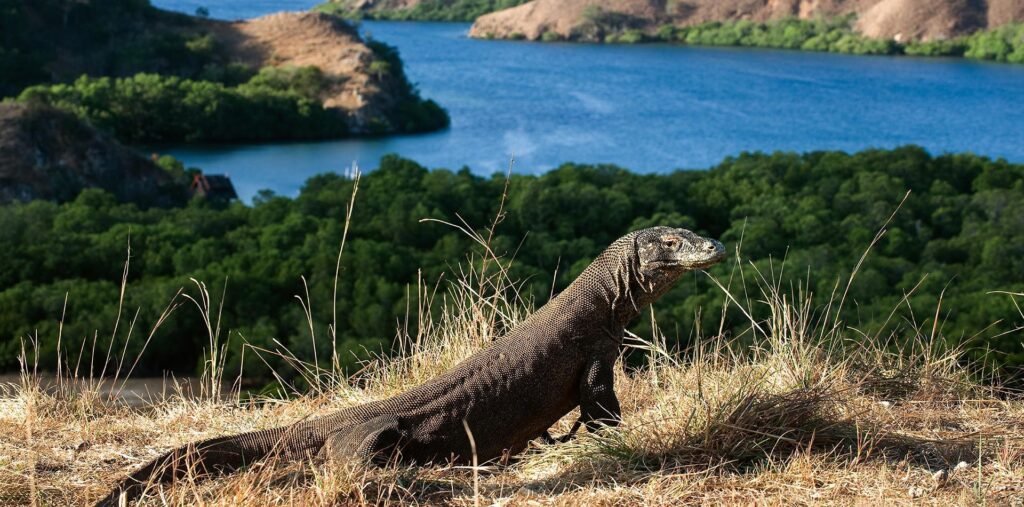
A komodo habitat feels less controlled.
That’s the charm.
You’re walking through an ecosystem where giant predators genuinely exist. The experience stays unpredictable. One day you might see several dragons near the ranger station. Another day, almost none.
Nature decides.
And honestly, that uncertainty makes the experience feel alive.
During one Komodo trip, a friend of mine whispered, “This place feels prehistoric.” At the time I laughed a little, but later I understood what he meant.
The islands don’t feel modern.
Even the silence feels old somehow.
Open Trip Labuan Bajo and Why Travelers Love It
These days, many visitors explore the komodo habitat through open trip Labuan Bajo programs. It’s cheaper than private charters and usually more social too.
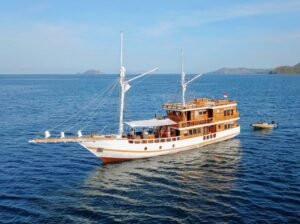
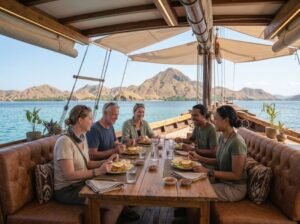
You share boats with strangers. Eat simple meals together. Trade travel stories while sitting on deck under ridiculous amounts of stars.
Sometimes it feels messy.
In a good way.
Not every trip goes perfectly either. Delayed departures happen. Weather changes suddenly. Somebody always forgets sunscreen. But weird little problems often become the stories people remember most later.
That’s travel, I guess.
Most Komodo trip packages include island trekking, snorkeling spots, and overnight boat stays around Komodo National Park. The contrast between dry islands and bright blue water feels unreal at times.
One hour you’re hiking through a harsh komodo habitat under burning sunlight.
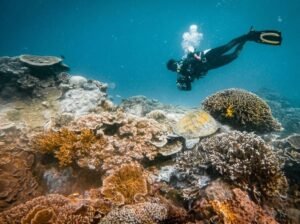
A few hours later you’re floating above coral reefs full of neon-colored fish.
It almost feels unfair how beautiful the area is.
Wildlife Beyond the Dragons
People focus heavily on Komodo dragons, obviously, but the komodo habitat supports many other species too.
Wild deer roam the hills. Monkeys move through trees near ranger posts. Birds circle above dry valleys. Offshore waters contain manta rays, sea turtles, reef sharks, and massive coral systems.
The ecosystem connects land and sea constantly.
That balance matters more than most visitors realize.
Without prey animals, dragons struggle. Without healthy marine systems, local communities lose income from tourism and fishing. Everything links together quietly in ways people don’t always notice at first.
Nature is complicated like that.
Conservation Is Becoming More Important
Tourism growth around Komodo National Park creates opportunities, but also pressure.
More visitors mean more boats, more waste, more construction around Labuan Bajo. Some environmental groups worry about long-term effects on the komodo habitat if tourism expands too aggressively.
And honestly, the concern makes sense.
Places this fragile can change quickly.
Park authorities now regulate trekking routes and require ranger accompaniment partly to protect both tourists and wildlife. Certain areas also close temporarily during conservation periods.
Some travelers complain about rules.
Personally, I think the rules are necessary.
Because once a place loses its wildness, it’s almost impossible to get back.
Why the Komodo Habitat Stays in People’s Minds
I think the reason the komodo habitat feels unforgettable has less to do with the dragons themselves and more to do with the atmosphere surrounding them.
Everything there feels slightly untamed.
The heat. The silence. The dry wind hitting your face during hikes. Even simple moments feel heavier somehow. You become more aware of your surroundings. More alert.
Phones matter less out there.
That part surprised me too.
People arrive wanting photos for social media, but many leave talking instead about how the islands made them feel. Smaller maybe. More awake. A little uncomfortable sometimes.
But alive.
And maybe that’s why travelers keep returning to Komodo National Park year after year. Not because it’s perfect. Actually, the imperfections are part of the experience. The dusty paths. The unpredictable weather. The exhausting climbs during a Komodo trip.
It all adds texture.
An open trip Labuan Bajo might begin as a casual holiday plan, but for many people, the memory sticks around much longer than expected. The komodo habitat has that effect. Quietly. Without trying too hard.