People talk about Indonesia like it is one destination. One mood. One long tropical postcard.
It really isn’t.
After moving across the 5 main islands of Indonesia, you start noticing how strange the country actually feels from one place to another. Not strange in a bad way. More like… constantly shifting. A city can feel loud and restless all afternoon, then suddenly a village a few hours away feels half asleep under mountain fog.
Sometimes even the food changes completely within one bus ride.
The 5 main islands of Indonesia are Sumatra, Java, Kalimantan, Sulawesi, and Papua. Most travelers know the names already. Still, knowing the names and actually being there are very different experiences.
And honestly, some islands take time before they make sense.
Sumatra Feels Untidy, But In a Good Way
Among the 5 main islands of Indonesia, Sumatra probably feels the least polished for tourists. Roads can be rough. Distances feel longer than maps suggest. Rain appears suddenly, heavily, then disappears again like nothing happened.
Yet people who spend enough time there usually become attached to it.
Maybe because Sumatra does not try too hard.
Lake Toba is one of those places that sounds overrated online until you arrive and sit quietly near the water around six in the morning. Cold air. Somebody nearby dragging plastic chairs across concrete. A dog barking somewhere uphill for no reason at all.
Nothing dramatic happens, really.
Still memorable.
The forests in northern Sumatra feel dense in a way that makes your clothes stick immediately to your skin. In Bukit Lawang, travelers walk through muddy jungle paths hoping to spot orangutans. Sometimes they do. Sometimes they only hear movement high above the trees and spend twenty minutes staring upward at leaves moving in the wind.
That uncertainty becomes part of the experience.
The 5 main islands of Indonesia each create different kinds of travel stories, and Sumatra often creates the messy ones. Delayed buses. Long conversations with strangers. Random roadside coffee stops because the driver feels tired.
Food there stays with people too. Rendang from Padang tastes rich and slow, if that makes sense. The spices build gradually instead of attacking immediately. Mie Aceh feels heavier, warmer. Better during rainy evenings.
Actually, rainy evenings improve many things in Indonesia.
Java Feels Like Several Countries Forced Together
Java can feel exhausting within the first hour.
Out of the 5 main islands of Indonesia, this island carries the biggest population and maybe the loudest energy too. Jakarta traffic sounds endless sometimes. Not loud in separate pieces. Just one continuous mechanical noise under everything else.
Yet small quiet moments still appear unexpectedly.
A street vendor pouring tea carefully into tiny glasses. Someone sleeping behind a shop counter during afternoon heat. A group of teenagers practicing music badly in a narrow alley while everybody nearby pretends not to notice.
Tiny scenes like that happen constantly in Java.
Yogyakarta feels softer than Jakarta. Slower maybe. Students sit for hours in cafes discussing things nobody fully resolves. Art shops spill onto sidewalks. The smell of clove cigarettes mixes with grilled satay smoke almost every night.
The 5 main islands of Indonesia show very different versions of Indonesian identity, and Java probably shows the widest contrast. Ancient temples exist beside giant shopping centers. Traditional batik still matters while modern fashion trends move quickly through younger crowds.
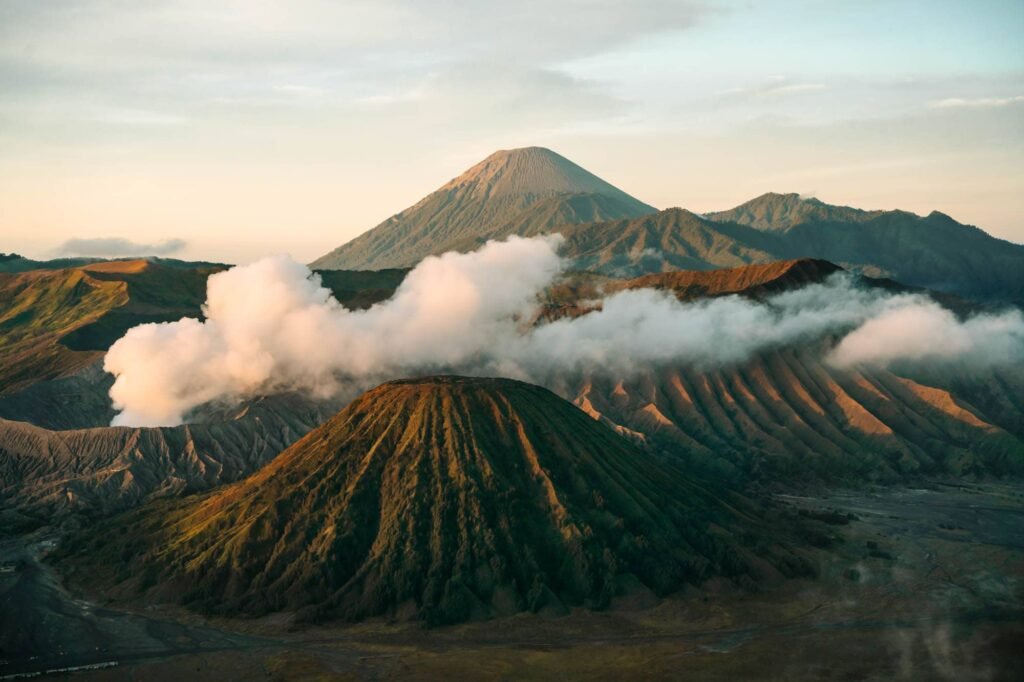
Then there’s Mount Bromo.
People wake up ridiculously early to see the sunrise there. Most complain before leaving the hotel because it’s cold and dark and nobody enjoys alarms at three in the morning. Later, standing near volcanic cliffs while the sky slowly changes color, everyone suddenly acts spiritual for a while.
Funny pattern.
The 5 main islands of Indonesia do that often actually. They make people emotional unexpectedly.
Kalimantan Moves More Slowly Than Most Places
Kalimantan feels quieter immediately. Not empty exactly. Just less rushed.
Among the 5 main islands of Indonesia, Kalimantan still keeps enormous rainforest areas where rivers remain more important than roads in certain regions. Long wooden boats move steadily through brown water while dense forest stretches endlessly on both sides.
At first the scenery almost feels repetitive.
Then smaller details start becoming interesting.
Bird sounds. Rain circles forming on the river surface. Smoke drifting from distant houses built near muddy riverbanks. Children waving enthusiastically at passing boats even though they probably see tourists often enough already.
Travel changes when there are fewer distractions around.
The 5 main islands of Indonesia each teach different rhythms, and Kalimantan teaches patience whether visitors want it or not.
Orangutan conservation areas attract travelers from all over the world. Seeing orangutans in person creates a weird emotional reaction because their expressions sometimes feel too familiar. Human-like, but distant at the same time.
Conversations about forests appear frequently there too. Logging. Palm plantations. Disappearing habitats. Local guides mention these things casually during river trips, usually while smoking cigarettes or adjusting boat engines.
Not formal speeches. More like tired observations.
And somehow those conversations stay in memory longer than statistics do.
Sulawesi Never Feels Predictable
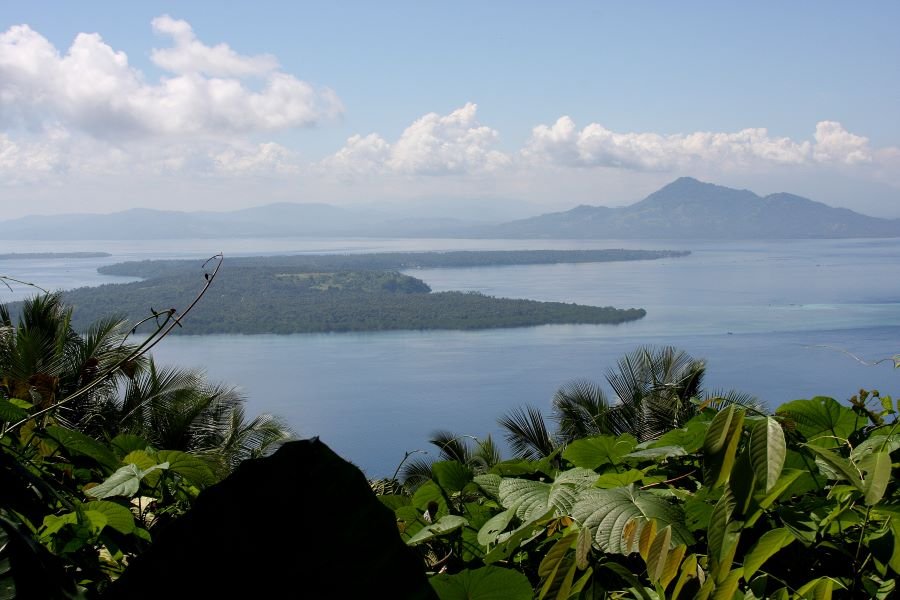
Sulawesi has an unusual shape. Even on maps it looks complicated.
Out of the 5 main islands of Indonesia, Sulawesi may confuse travelers the most because every region feels disconnected from the next one. Different landscapes. Different traditions. Different atmosphere.
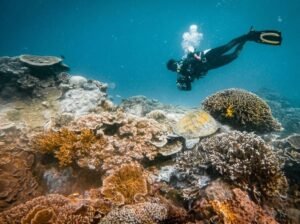
Northern Sulawesi attracts divers because of Bunaken and the surrounding reefs. Underwater visibility can become incredibly clear during calm weather. Sea turtles drift through blue water without urgency while divers float nearby trying not to breathe too loudly.
Then suddenly the mood changes completely in Tana Toraja.
Traditional funeral ceremonies there remain deeply important for local communities. Visitors often arrive unsure how to behave. Curious, respectful, slightly uncomfortable maybe. Which is understandable.
Road travel through Sulawesi takes longer than people expect too. Mountain roads twist endlessly. Rain interrupts plans. Small roadside restaurants appear in places that seem too remote for businesses at all.
One afternoon can stretch strangely long there.
The 5 main islands of Indonesia constantly shift between modern life and older traditions, but Sulawesi sometimes feels like both are happening simultaneously without fully blending together.
Maybe that tension is part of its charm.
Papua Feels Far Away Even After Arriving
Papua is difficult to explain properly without sounding dramatic.
Among the 5 main islands of Indonesia, Papua often feels the most distant emotionally. Nature dominates almost everything there. Thick forests. Sharp mountains. Huge stretches where human activity feels surprisingly small.
Raja Ampat deserves its reputation though. The water really is that clear in certain places. Boats glide over coral reefs visible beneath the surface while limestone islands rise sharply from bright blue sea.
It almost looks edited sometimes. Too colorful.
But Papua is not effortless travel. Flights change suddenly. Weather interrupts schedules. Infrastructure varies heavily depending on where people go.
Some travelers become irritated by that unpredictability.
Others love it because the island still feels less controlled by tourism compared to many famous destinations elsewhere.
The 5 main islands of Indonesia all leave different emotional impressions, and Papua leaves a feeling of distance that stays strangely vivid afterward.
At night, sounds become sharper there. Insects. Rain. Wind hitting wooden walls lightly for hours.
Small sounds. But very real ones.
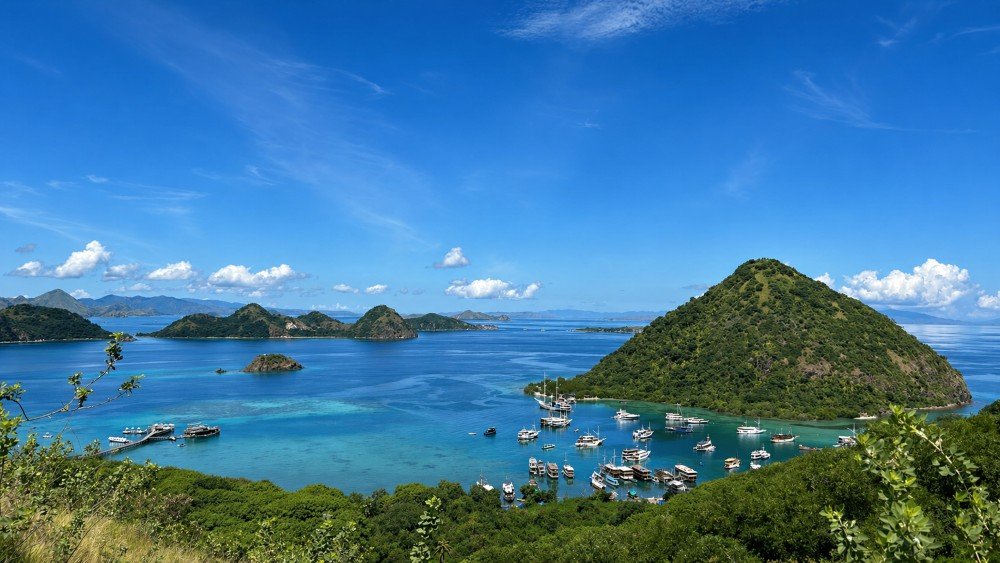
The Sea Changes Everything Between the Islands
Eventually many travelers stop focusing only on the major islands and begin moving toward smaller places scattered across the ocean routes.
That usually changes the entire mood of the trip.
Sailing Labuan Bajo has become one of the most popular travel experiences in eastern Indonesia during recent years. Boats move slowly toward Komodo Island while passengers spend hours sitting under salty wind, talking lazily, checking cameras, getting sunburned a little without noticing immediately.
Time behaves differently at sea.
Some moments during sailing Labuan Bajo trips feel social and noisy. Shared meals. Loud conversations. Music from somebody’s speaker that nobody asked for but nobody stops either. Then sunset arrives and suddenly everybody becomes quiet while staring at the horizon like they’re in a movie scene.
Open trip Labuan Bajo experiences are popular partly because strangers become temporary travel friends very quickly onboard. Shared cabins and slow boat days seem to force conversation naturally.
Komodo Island itself feels hotter than expected. Dry hills. Harsh sunlight. Dust sticking to shoes during trekking routes. The Komodo dragons move slowly, but people still watch them nervously anyway.
Understandably.
The 5 main islands of Indonesia may form the center of the country geographically, but sometimes the strongest memories happen between islands instead of on them.
A delayed ferry. Warm wind at night. Coffee that tastes slightly burnt after hours at sea.
Not important details maybe.
Still the kind people remember years later.