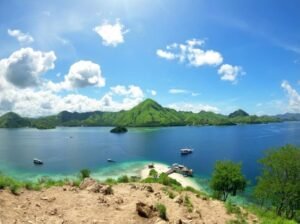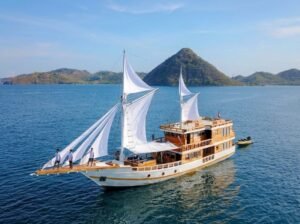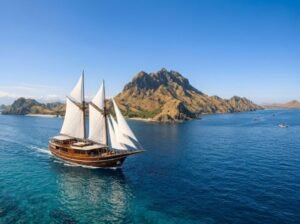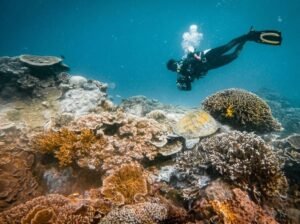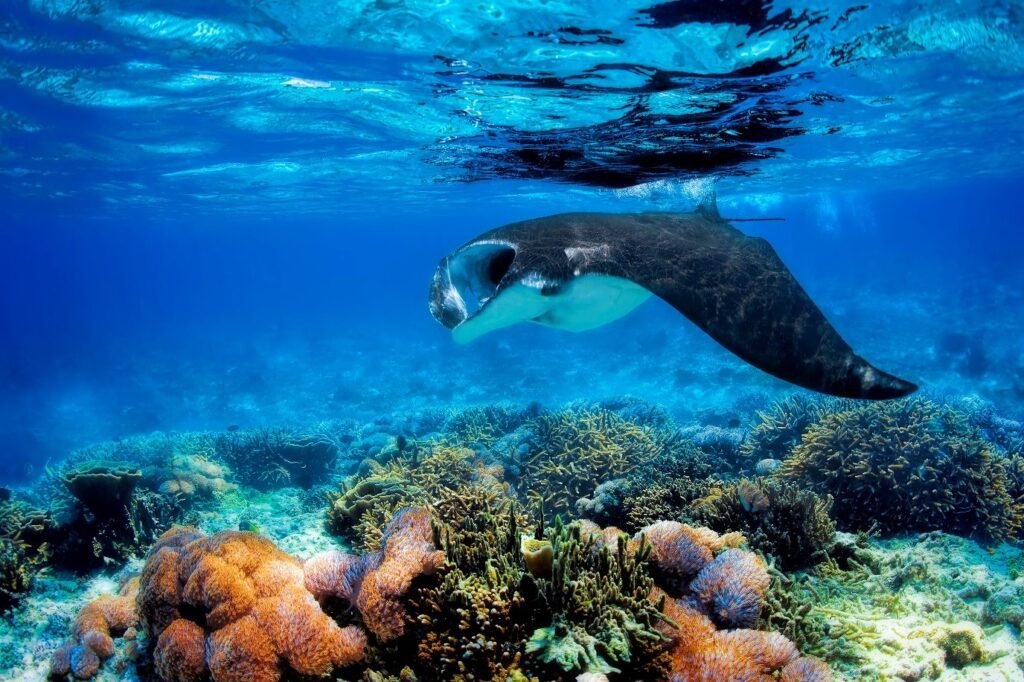
If you’ve ever dreamed of plunging into a world where coral towers reach the surface, manta rays drift by like underwater clouds, and each breath unveils a new wonder — then diving Komodo Island is your call. From vivid reef life to strong currents that push your senses to the edge, this is not just a holiday. It’s an immersion.
Why you should go diving Komodo Island (and what makes it special)
I still remember the moment I hovered above a sloping reef off Komodo Island and the water turned a rich cobalt blue, countless fish darting in and out of the corals. That feeling of weightlessness, of being part of something wild and alive — that’s what diving in Komodo is about.
- The marine area of Komodo National Park covers about 67% water, offering a massive underwater playground.
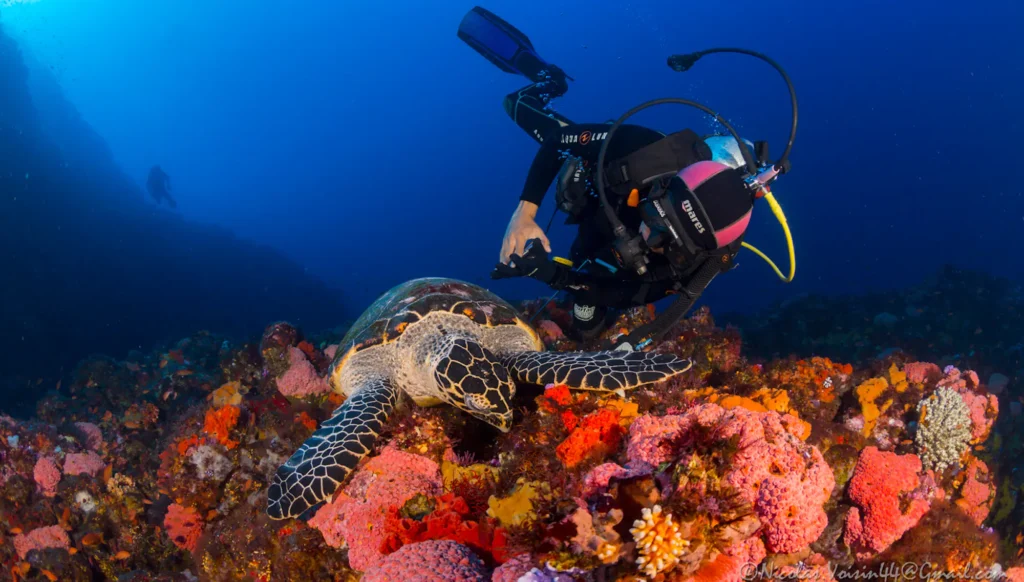
- You’ll encounter large pelagics such as manta rays, reef sharks, and turtles, alongside vibrant reef fish.
- There are famed dive sites like Manta Point, Castle Rock, Crystal Rock — each with unique terrain.
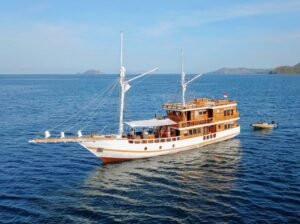
When you’re sailing towards Komodo from islands like Lombok, the anticipation builds. The phrase sailing Komodo isn’t just a transit — it’s a prelude to adventure.
Getting there & combining with sailing Lombok to Labuan Bajo
You might find yourself joining a voyage: sailing Lombok to Labuan Bajo. The idea? Start with the calm seas of Lombok, then glide across turquoise waters to the dive mecca of Komodo. The transition from island-hop, sunset off deck, engines humming… it sets the mood.
From Lombok you can sail, cruise or fly to Labuan Bajo (the gateway to Komodo). Once you reach Labuan Bajo, you’re positioned perfectly to dive in Komodo Island — day trips or liveaboards await.
What diving in Komodo looks like (and how it feels)
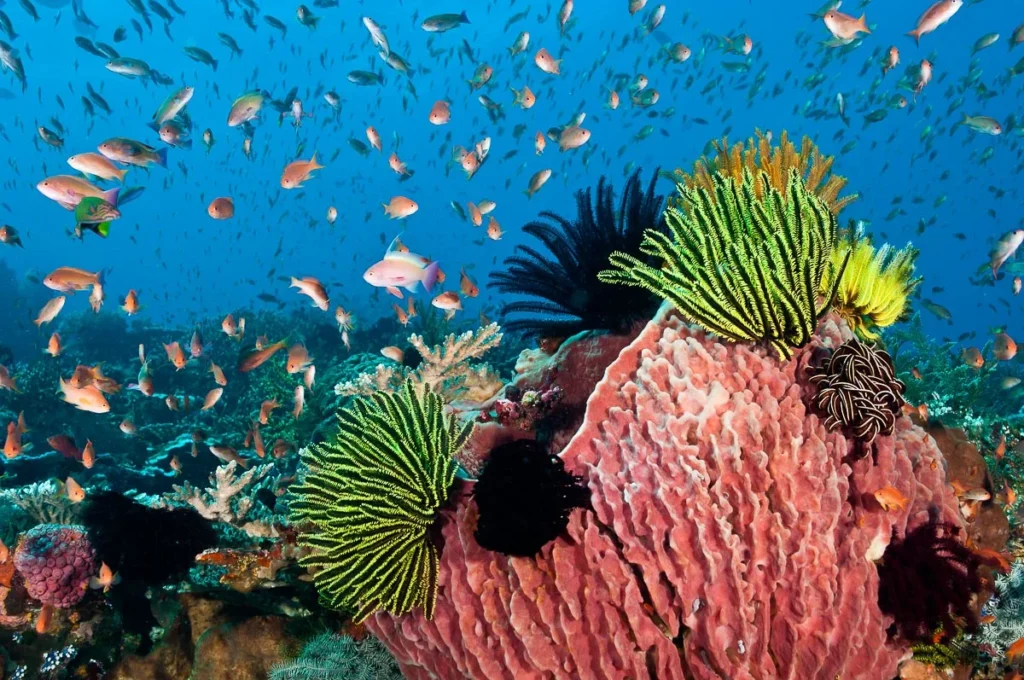
Picture this: you surface from a dive at dawn, the air is salty, the sun just breaking the horizon. The boat rocks gently. Underwater, you descend. You feel the current tug — a gentle pull or stronger rush depending on site and tide. Coral mountains, schools of fish shimmering like liquid silver. A ray glides past. You breathe, you watch, you are alive.
Sensory. Immersive. Unforgettable.
Conditions
- Visibility often ranges 10-30 meters, giving you wide vistas.
- Water temperature is typically 25-29°C (77-84°F) during the dry season.
- Currents can be strong. Some sites are advanced drift dives; others more sheltered for intermediate divers.
Best time & what to expect season-wise
Timing matters. For the smoothest, clearest experience of diving Komodo Island, aim for the dry season.
- April to November is ideal — calmer seas, better visibility.
- Rainy season (December to March) still offers diving, but expect more variability.
- Note: strong currents may coincide with moon cycles (new/full moons) — good to ask your dive shop for timing.
Who it’s for — and who should be a little cautious
If you’re a diver with a few logged dives, comfortable with drift, you’ll love diving Komodo. Want to see mantas, sharks, walls of reef? Yes. But if you’re brand new, or uncomfortable with currents — choose your sites carefully.
“Hi – I have dived Komodo 4 times so far and I would not advise you to go there with your level of experience, the currents can be crazy and the sites can be very crowded.”
But another diver said: > “Komodo is 100% worth the trip. We were just there last year and all of our dives were amazing.”
So, pick a dive operator that tailors to your level. Ensure you’re covered, briefed, safe.
Sample itinerary: from sailing to diving
Here’s how you could plan a journey:
- Sail from Lombok → Labuan Bajo. Relax on deck, watch the skies turn pink.
- Arrive in Labuan Bajo. Overnight, enjoy village life, seafood on the beach.
- First day: boat out early, dive site – maybe Crystal Rock or Manta Point. Afternoon: second dive, sunset on deck.
- Next two days: pick a liveaboard or day-trip dives — explore sites like Castle Rock, Tatawa Islands, Batu Bolong.
- On non-dive day: land expedition to see the famed island dragons or relax ashore.
- Final dive day: free morning dive, then sail or fly out.
This blend of sailing Komodo and diving in Komodo gives you land, sea surface, and the world beneath.
Tips to make the most of diving Komodo Island
- Choose a dive shop or liveaboard that knows tides and currents. They’ll match dive sites to your experience level.
- Bring or rent good gear: dive computer, SMB, good fins. Some shops include wetsuits; check thickness.
- For underwater camera lovers: prepare memory, lighting — reefs here demand good exposure.
- Respect the ocean vibes: hands off the corals, and keep those fins in check — reefs are super delicate, not dance floors.
- Soak up the surface time: chill on the deck, let the sea breeze mess up your hair, taste that salty air — it’s all part of the dive story.
- Balance it out: after some wild drift dives, take it easy — go for a lazy snorkel or just sunbathe with your playlist on.
- Getting there made easy: Labuan Bajo’s got direct flights from Bali, and if you’re doing the whole sailing from Lombok thing, make sure your schedule lines up — nothing worse than missing the boat (literally).
If you’re ready to experience diving Komodo Island, then you’re signing up for more than just diving. You’re signing up for a deep‐sea symphony: blues and greens, currents and drift, life in motion. It’s like stepping into an underwater epic where you’re part of the cast.
For me, being on the surface in a dinghy after a dive — water shimmering, reef still humming — that moment of absolute peace, followed by the exhilaration of the next dive. That’s the memory. That’s the story.
So go ahead — plan your voyage, chart your dive, feel the weight of the water, the pull of the current, the flash of fish. I’ll say this: when you surface and the boat waits, you’ll know you did it. Diving Komodo Island awaits — with grand spectacle beneath and wild beauty all around.