Let me be honest with you for a second. When people talk about Indonesian food, they often mention snacks or street food first. Satay on the sidewalk, fried bananas, sweet drinks. All great, sure.
But if you really want to understand Indonesia, you have to sit down and experience an Indonesia main course.
Not rushing. Not standing. Sitting. Eating slowly. Sharing.
That’s where the country reveals itself.
What Makes Indonesia Main Course Feel So Different
An Indonesia main course is not designed to impress visually at first glance. It doesn’t shout. It doesn’t beg for attention. It waits.
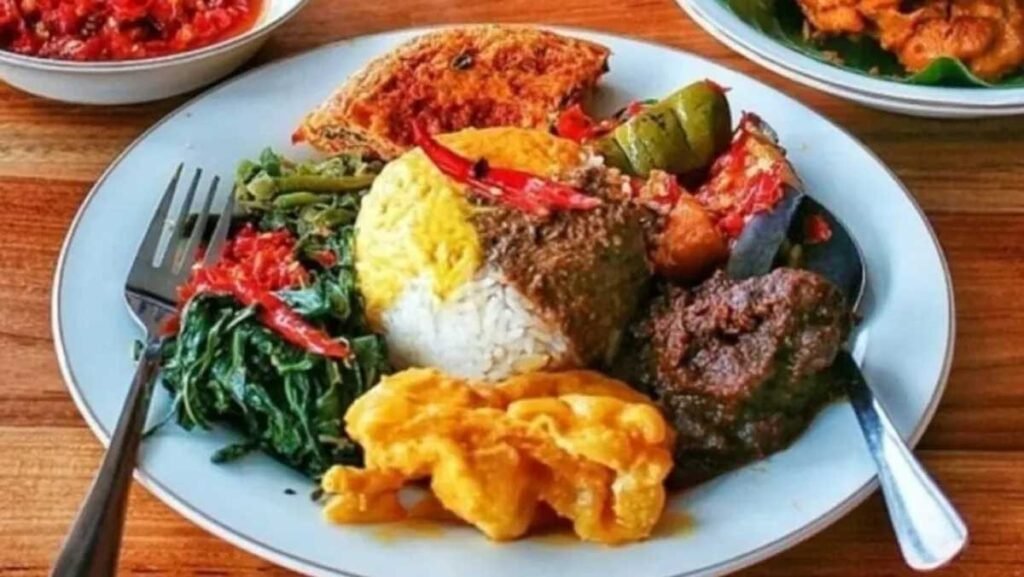
Rice is almost always there. Warm, soft, grounding. Around it, dishes appear one by one—meat cooked for hours, vegetables with deep aromas, sambal that looks innocent but isn’t.
The magic? Everything works together.
I remember my first proper meal in Indonesia. No menu. Someone just said, “Eat.” And somehow, that was enough.
Authentic Indonesian Cuisine Is About Patience
People use the phrase authentic Indonesian cuisine a lot, but few explain what it actually means. Authentic doesn’t mean expensive or complicated. It means time.
An Indonesia main course is rarely rushed. Coconut milk is simmered until it changes character. Spices aren’t dumped in—they’re introduced slowly, like guests.
This patience is why Indonesian food feels deep instead of loud. You don’t get hit with flavor. You sink into it.
Indonesia Signature Dishes That Anchor the Table
Every culture has dishes that feel like home. In Indonesia, these meals don’t just fill the stomach—they settle you, especially when you are enjoying Indonesian signature dishes passed down through generations.
Rendang Is Not Just Food
Rendang isn’t “spicy beef.” That description misses the point. It’s beef that has absorbed hours of care.
As an Indonesia main course, rendang teaches you something: good things take time. The longer it cooks, the better it becomes. There’s a lesson in that, if you’re paying attention.
Nasi Goreng Feels Familiar, Yet Isn’t
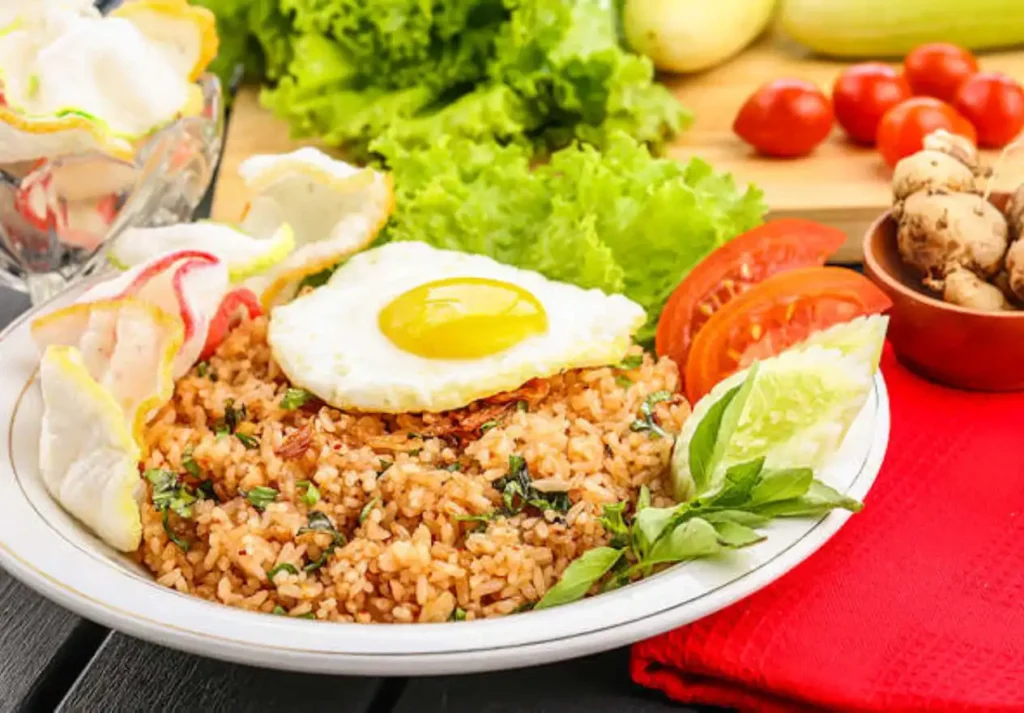
People think they know fried rice. Then they try Indonesian nasi goreng.
Sweet soy sauce. Garlic. Chili. A fried egg on top. Suddenly, this everyday food becomes a proper Indonesia main course. Comforting, but never boring.
Late night or early morning—it always works.
Sate Proves Simplicity Wins
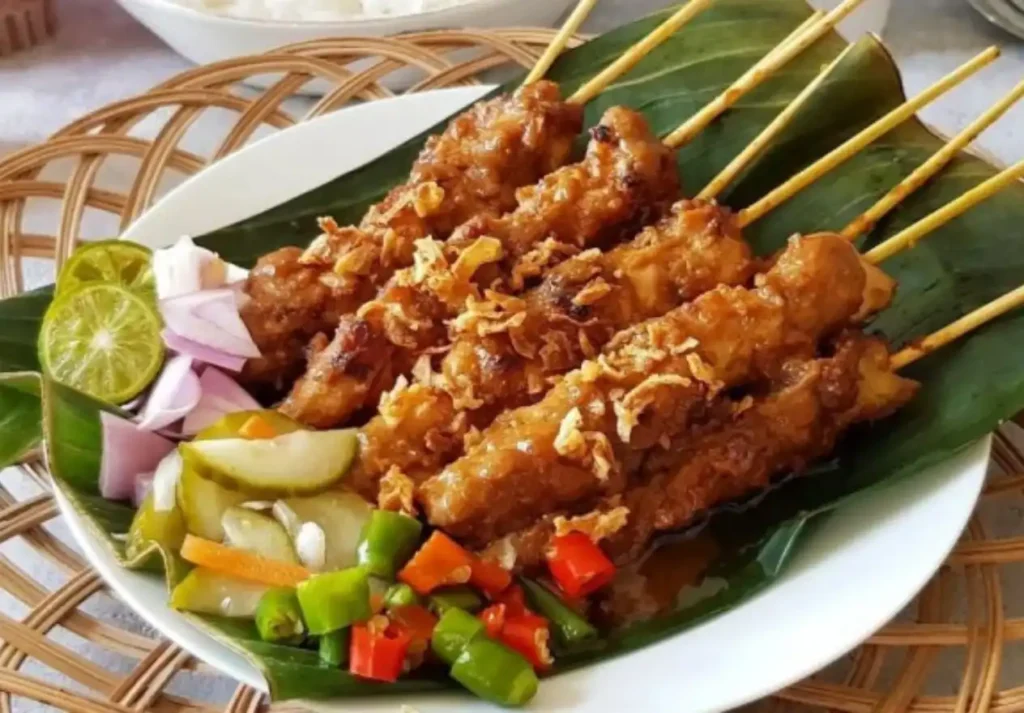
Grilled meat on skewers sounds basic. But with the right marinade and smoky fire, sate earns its place as an Indonesia main course.
The peanut sauce matters. A lot. Too sweet? Ruined. Too thin? Forgettable. When it’s right, you remember it.
Every Region Tells a Different Story
Indonesia doesn’t have one flavor identity. It has many.
In Java, an Indonesia main course often leans sweet and soft-spoken. In Sumatra, the same concept becomes bold and unapologetic. Eastern islands keep things lighter, letting ingredients speak.
Same country. Different moods.
That diversity is why Indonesian food never gets boring.

Indonesia Main Course Is Meant to Be Shared
Here’s something you might not notice at first: an Indonesia main course rarely comes alone. Dishes are placed in the middle. Hands reach. Conversations pause and restart.
Food is social glue.
Even silence feels comfortable when everyone is eating the same meal.
Sailing Labuan Bajo Changes How Food Tastes
Now imagine this.
You’ve spent the day island hopping. The sun starts lowering. The sea turns gold. You sit on a boat during Sailing Labuan Bajo, slightly tired, a little salty from the ocean.
Dinner arrives.
Grilled fish. Rice. Sambal. Simple. But somehow, that Indonesia main course becomes unforgettable. Not because it’s fancy—but because the setting rewires your memory.
Food tastes different when joy is present.
Health Without Obsession
Many people don’t realize this, but an Indonesia main course often includes natural balance. Herbs like turmeric, ginger, and lemongrass aren’t trends here—they’re tradition.
Meals feel satisfying without heaviness. You feel fed, not punished.
That’s one reason people keep craving Indonesian food long after leaving.
Why Travelers Remember Indonesia Through Food
Ask travelers what they miss. They’ll mention beaches, smiles, sunsets. And then—food.
Because an Indonesia main course doesn’t just stay on your tongue. It stays in your body memory. You remember how it made you feel: calm, welcome, grounded.
It’s emotional nutrition.
Cooking Indonesia Main Course at Home (Yes, You Can)
You don’t need a professional kitchen. Start small.
Learn nasi goreng properly. Make sate with patience. Don’t chase perfection—chase feeling.
When you cook an Indonesia main course, trust aroma more than measurements. Taste as you go. Adjust. That’s how Indonesians do it.
How Indonesia Main Course Connects Memory and Emotion
There’s something subtle happening when you eat an Indonesia main course that people rarely talk about. It slows you down. You chew longer. You notice warmth, texture, aroma. Food becomes an anchor.
I’ve met travelers who couldn’t remember the exact names of places they visited, but they clearly remembered a bowl of rice, a piece of chicken, the smell of spices rising with steam. That’s the power of an Indonesia main course—it attaches itself to memory.
This is why authentic Indonesian cuisine doesn’t need reinvention. It already does what modern food trends try to achieve: presence. Connection. Comfort.
Even years later, tasting something similar can bring you back instantly—to a small table, to shared laughter, to quiet evenings after long days of exploration. That emotional pull is why Indonesia main course isn’t just eaten once. It’s revisited, again and again, wherever life takes you.
Why Indonesia Main Course Never Loses Its Place
Food trends come and go. But the Indonesia main course stays relevant because it’s honest.
Rooted in tradition. Flexible in form. Always generous.
Whether you’re eating at a roadside stall, a family home, or after a long day of Sailing Labuan Bajo, the message is the same:
Sit. Eat. You’re welcome here.
And somehow, that invitation feels real.