Klook Padar Island feels like one of those search terms people type late at night, almost unsure what they are really looking for. Klook Padar Island appears again and again in travel forums, and somehow Klook Padar Island becomes more than a destination—it turns into a quiet obsession before the trip even begins. You might not admit it, but Klook Padar Island tends to sit in your mind longer than expected, like a half-finished plan you keep revisiting.
The First Impression Nobody Really Prepares You For
There’s something slightly unfair about Padar Island. Photos look edited, even when they are not. And when travelers first connect it with Klook Padar Island, they expect a smooth, packaged experience—clean, predictable, almost too easy.
But reality is a bit uneven.
The climb is short, yet it doesn’t feel short when you are actually there. Sand shifts under your shoes, wind behaves like it has its own mood, and you start wondering why you rushed breakfast earlier. Somewhere in that moment, Klook Padar Island stops being just a booking keyword and becomes a physical memory forming in real time.
When Expectation Meets Salt Air And Hesitation
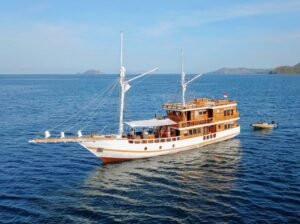
Some travelers arrive through sailing Komodo routes, where the ocean stretches in a way that makes time feel optional. The boat rocks gently, and conversations fade into background noise. It is in this slow movement that Klook Padar Island first feels “real,” not as an idea but as a shape on the horizon.
There is a strange silence before arrival. Not complete silence—just the kind where people talk less than usual.
And maybe that is the point.
Klook Padar Island doesn’t rush to impress you. It waits.

The Climb That Feels Shorter In Memory Than Reality
People often describe the hike as “easy.” That word feels slightly misleading once you start stepping upward under the sun.
Still, Klook Padar Island is not trying to challenge you in a dramatic way. It is more subtle. A steady incline, a pause, a glance back, then forward again. You might notice your breathing before you notice the view improving.
Somewhere halfway, someone usually laughs—not because something is funny, but because the situation feels slightly absurd. Why did we wake up this early again?
And yet, Klook Padar Island keeps pulling you forward without asking permission.
Light, Angles, And The Strange Geography Of Memory
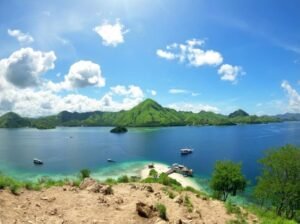
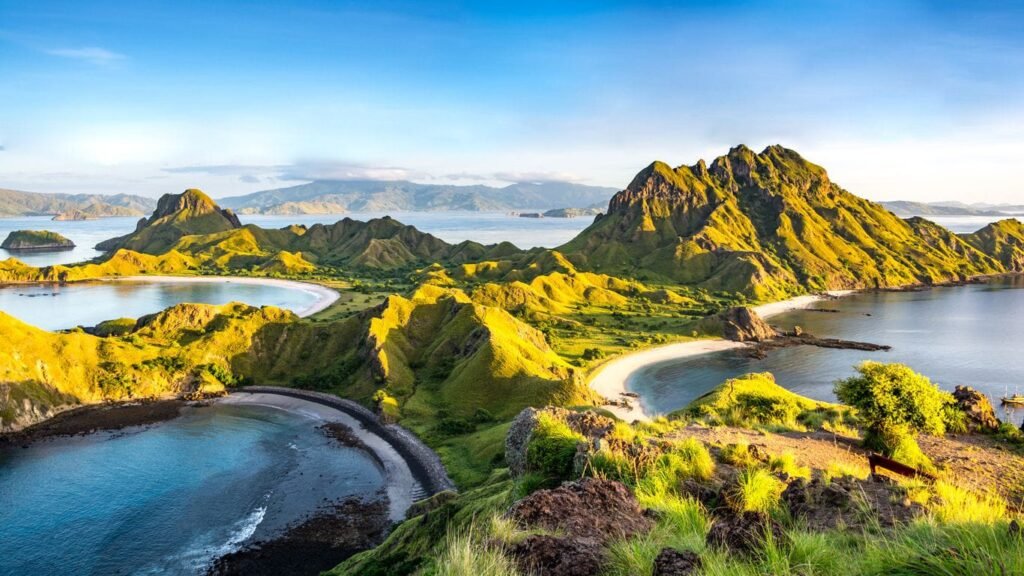
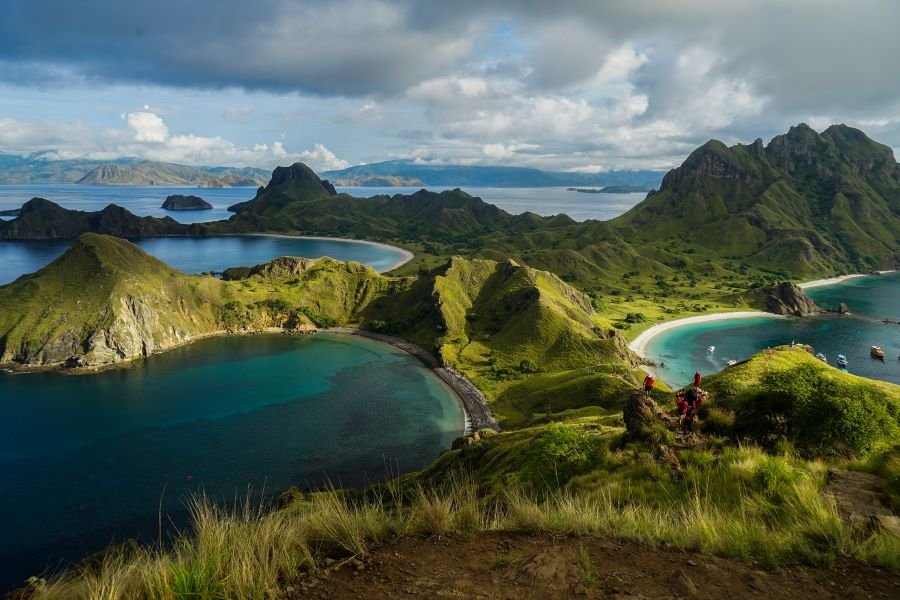
At the top, nothing feels perfectly arranged. The bays curve differently depending on where you stand. Shadows don’t behave consistently. Even photos struggle a bit.
This is where Klook Padar Island becomes less about sightseeing and more about interpretation.
You might think you’ve seen the famous viewpoint online already. But standing there, there’s a delay between recognition and reality. A small gap. Almost unnoticeable, but present.
Some travelers stay quiet longer than expected here. Not because there is nothing to say, but because language feels slightly inefficient.
Between Boats, Schedules, And Unplanned Waiting
The journey often connects with open trip Labuan Bajo packages, where timing is shared and flexibility is limited but strangely comforting. You wait for strangers, and strangers wait for you.
Klook Padar Island fits into these itineraries like a fixed point in a moving story. Everything else changes—weather, departure time, even mood—but this stop remains.
Still, not everything runs smoothly. Sometimes the boat arrives later than expected. Sometimes coffee tastes too sweet. These small imperfections linger more than they should.
And yet, nobody really complains for long.

The Komodo Layer You Don’t Think About At First
A Komodo National Park full-day tour often includes multiple stops, but Padar has a different emotional weight. It doesn’t compete loudly with the Komodo dragons or snorkeling spots. Instead, it quietly anchors the day.
Klook Padar Island becomes that moment in the itinerary where people suddenly stop scrolling their phones.
Not because they planned to, but because the view makes everything else feel temporarily less important.
Then, oddly, after a few minutes, life returns—someone checks the time, someone adjusts a bag, someone says “let’s go soon” without urgency.
When The Wind Interrupts Your Thoughts
There are moments on Klook Padar Island where thoughts don’t fully form.
Wind interrupts them.
You start a sentence in your head, then lose it halfway because the horizon takes over your attention. This happens more than people admit. It is not dramatic. Just… slightly disorienting in a soft way.
You might notice how the islands look almost layered, like they were placed without strict planning. And you accept that. No need to explain it further.
The Return Journey Feels Different, But You’re Not Sure Why
Descending from the viewpoint is quicker. That is expected.
But emotionally, Klook Padar Island doesn’t really “end” when you leave the hill. It follows you back to the boat in fragments. A color. A slope. A feeling you cannot fully categorize.
On the deck, someone might say it was “worth it,” though the phrase feels too small for what just happened.
Still, no one replaces it with a better sentence.
A Place That Resists Over-Explanation
Some destinations are easy to summarize. Klook Padar Island is not one of them.
It resists neat conclusions.
Maybe that is why travelers keep repeating the name, as if saying it again will finally capture what they missed the first time.
There’s a strange honesty in that repetition. A kind of admission that experience is not always fully processable in real time.
Why People Return Even When They Don’t Plan To
Not everyone returns physically, but many return mentally. In photos. In conversations. In small comparisons with other places.
Klook Padar Island becomes a reference point, almost unfairly. Other viewpoints get measured against it, sometimes without intention.
And still, it doesn’t feel like competition. More like calibration.
A quiet reminder of scale, distance, and how perception shifts when you are slightly out of your usual environment.
The Lingering Aftertaste Of The Journey
Long after the trip ends, people remember different things.
Some remember the climb. Some remember the boat. Some remember waiting for breakfast that arrived later than expected during sailing Komodo routes. Others remember nothing specific, just a general sense of openness.
Klook Padar Island tends to sit inside that openness.
Not sharp. Not loud. Just present.
And maybe that is enough.
Because certain places are not meant to be fully explained. They are meant to be revisited in thought, occasionally, without pressure to understand them completely.