
Komodo dragon enclosure requirements usually start as a checklist on paper, something technical, structured, almost cold in tone. But once you get closer to real design work, Komodo dragon enclosure requirements stop behaving like rules and start feeling more like shifting suggestions that change depending on how the animals respond, the weather behaves, or even how the ground feels after rain that nobody really planned for.
And strangely, Komodo dragon enclosure requirements are never just about space. They’re about interpretation, hesitation, and sometimes guessing… then adjusting later when the guess feels slightly off.
Heat, Shadows, and That Slight Feeling of Uncertainty
Temperature design sounds simple until you actually try to maintain it.
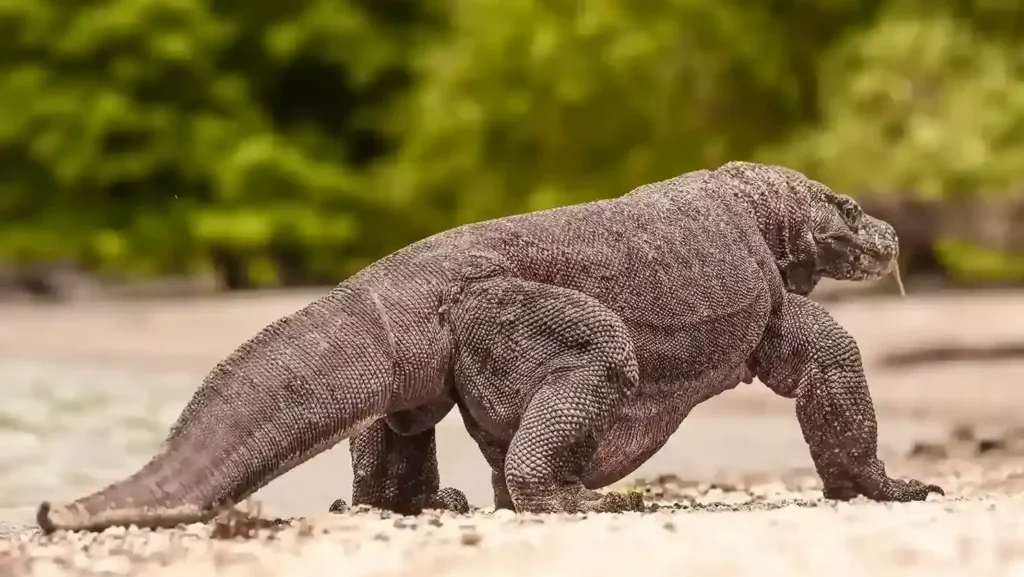
Komodo dragon enclosure requirements often mention gradients—hot zones, cooler zones, transitional areas—but in practice, those zones don’t stay cleanly separated. Heat moves. Shadows stretch. Stones store warmth longer than expected.
There are moments when everything looks correct on a chart, yet the Komodo still chooses a corner that wasn’t “intended” as the main basking spot. And you just pause for a second, wondering why that happens.
In places inspired by natural conditions like Komodo National Park, nothing is evenly distributed. So enclosure design tries—sometimes awkwardly—to imitate that unevenness.
Komodo dragon enclosure requirements keep reminding designers that stability doesn’t mean uniformity.
Space That Looks Big, But Behaves Differently
On paper, large enclosures seem sufficient. But Komodo dragon enclosure requirements don’t stop at dimensions.
They quietly push for something harder to define: perceived space.
A wide open yard can actually feel smaller than a broken-up landscape with rocks, elevation changes, and partial barriers. And that’s where things get interesting, because the animals behave differently depending on how “visible” everything is.
Sometimes a Komodo will repeatedly patrol the same edge. Not aggressively, just… consistently, like it’s checking something invisible.
And then another day, it just rests in a shaded corner for hours, ignoring the larger open space entirely.
Komodo dragon enclosure requirements try to account for this, but not everything fits neatly into guidelines.
Feeding Behavior and Slightly Unpredictable Timing
Feeding is where expectations often break a little.
Komodo dragon enclosure requirements usually recommend controlled feeding zones, sometimes separation, sometimes distance feeding. But behavior doesn’t always follow procedure.
A dragon might ignore food placed directly in front of it. Then later, react strongly to movement that wasn’t even related to feeding.
It’s not chaos, but it’s not predictable either.
Keepers often adjust timing, spacing, or even scent distribution based on observation rather than strict adherence. And Komodo dragon enclosure requirements slowly become more flexible in practice than they look in documentation.
There’s always that moment of doubt—did we place it correctly, or did we just assume too confidently?
Ground, Water, and Things That Don’t Stay Still
Soil looks simple until you realize it affects everything.
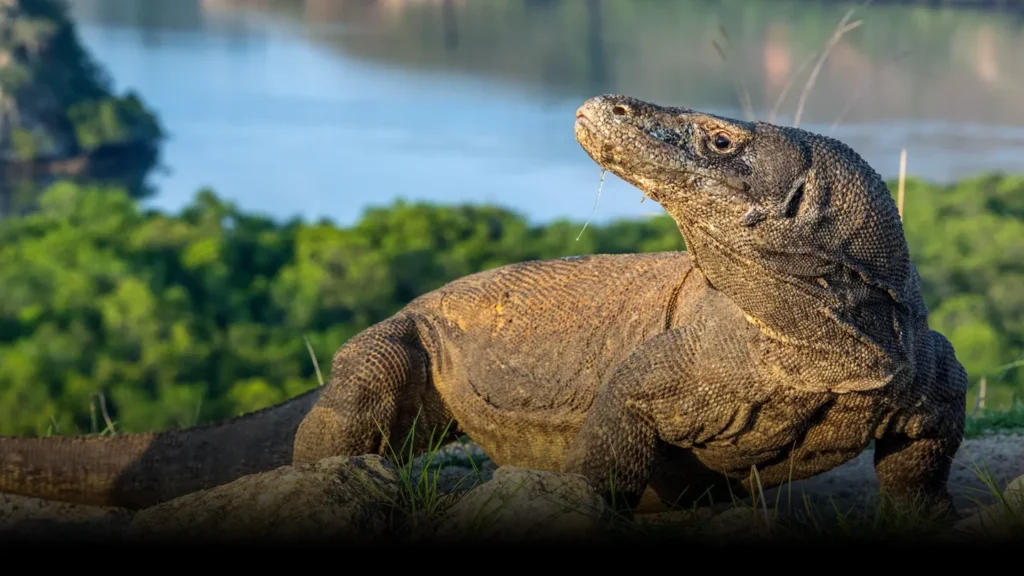
Komodo dragon enclosure requirements mention substrate depth and drainage, but what matters more is how the ground behaves after repeated use. Some areas compact over time. Others loosen unexpectedly.
A Komodo may dig in one spot consistently, then abandon it completely without explanation. No visible reason. Just change.
Water areas are similar. Pools can be ignored for days, then suddenly used frequently. There’s no fixed pattern that stays permanent.
Even after maintenance, the enclosure feels slightly different. Not visually dramatic. Just… subtly shifted.
And Komodo dragon enclosure requirements always have to catch up to those shifts.
Movement, Safety, and Human Awareness
Working around Komodo dragons requires awareness that doesn’t fully relax.
Komodo dragon enclosure requirements always include layered safety systems—barriers, controlled entry points, restricted visibility paths. But beyond physical safety, there’s timing.
When you move matters as much as where you move.
A Komodo doesn’t need a clear threat to react. Sometimes just presence is enough.
So keepers learn to move in ways that feel almost invisible—quiet, indirect, slightly delayed. Not rushed.
It becomes a kind of rhythm over time.
Travel Impressions That Somehow Influence Design
Interestingly, some of the best ideas in enclosure design don’t come from technical manuals.
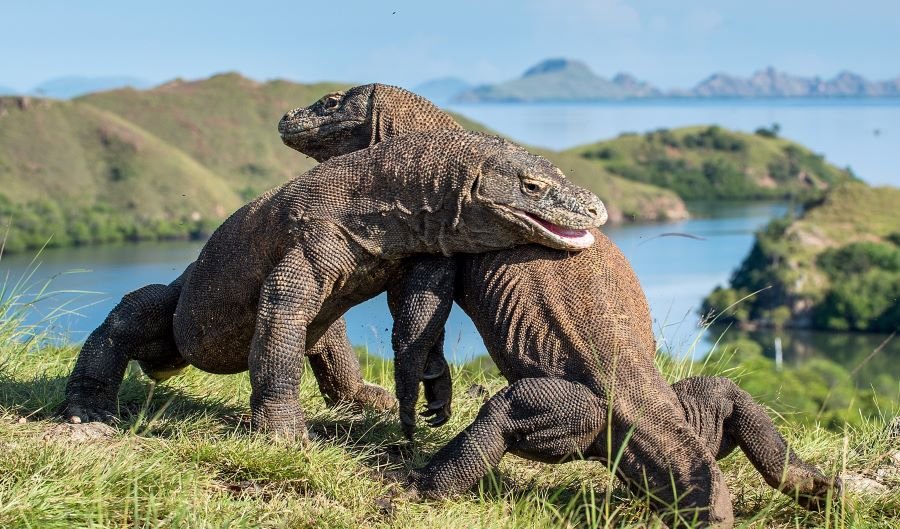
They come from observation—long hours in different environments, sometimes even travel. Like sailing Komodo routes where islands appear and disappear slowly, or sailing Lombok to Labuan Bajo where the sea feels like a moving space rather than a fixed one.
Those experiences don’t translate directly into measurements, but they influence how designers think about space, fragmentation, and flow.
Komodo dragon enclosure requirements start to feel less like rules and more like interpretations of nature that can never be fully copied.
When Everything Is “Correct” but Still Not Finished
There’s a strange moment in enclosure design where everything checks out.
Temperature is fine. Space is sufficient. Safety systems are correct. Feeding protocol is stable.
And yet something feels slightly unfinished.
Maybe the dragon behaves in a way that doesn’t match expectations. Maybe the space feels too controlled. Or maybe it’s just human perception looking for imperfection where none technically exists.
Komodo dragon enclosure requirements don’t really resolve that feeling.
They just guide you through it.
And sometimes, that’s the closest thing to correctness you get.