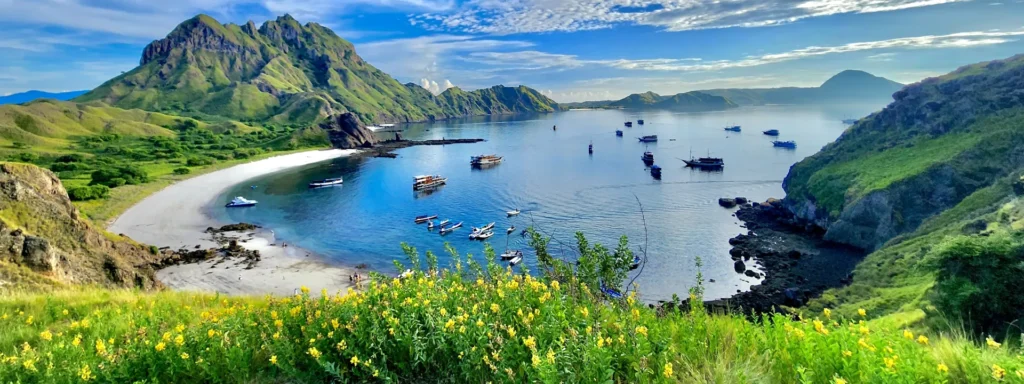
I didn’t expect a Komodo overland tour to feel this… human. You’d think a trip across Flores would just be a transfer, something functional before the real adventure begins. But somehow, this journey has its own rhythm. It lingers. It pauses when you don’t ask it to. And along the way, you start noticing things you’d normally ignore—like how the air smells slightly burnt in the afternoon, or how conversations with strangers don’t need perfect language to land. It’s not dramatic, not like sailing Komodo trips people rave about. But that’s the point, maybe. It isn’t trying to impress you. It just… unfolds. And somewhere along the way, it quietly rearranges your expectations of travel.
Why a Komodo Overland Tour Feels Different From the Start
No big reveal. No cinematic opening.
You get into a car. Maybe a bit tired. Maybe curious, but not overly excited yet.
The road stretches ahead, and at first, it feels ordinary. Houses. Small shops. A motorbike or two passing by with that familiar buzz. Then, gradually—almost reluctantly—the landscape begins to shift. Hills roll out like fabric someone forgot to fold. Dry patches appear, then disappear again.
This is where a Komodo overland tour starts to separate itself. Not loudly. Just in small, almost invisible ways.
You catch yourself staring out the window longer than usual.
No one tells you, “This is the highlight.” That’s the strange part.
Little Interruptions That Stay Longer Than Expected
At one point, you stop. Not because it’s on a schedule, but because someone felt like it.
There’s a small stall. Coffee, maybe overly sweet. The kind that leaves a slightly sticky aftertaste. You sit anyway.
A man nearby nods. You nod back. No conversation follows, but it doesn’t feel awkward. Just… neutral. Complete, even.
Moments like this repeat in different forms throughout a Komodo overland tour. Not identical, but similar in weight. They don’t demand attention, yet they stay with you longer than planned attractions ever could.
And it’s funny—you might not even realize their impact until much later.
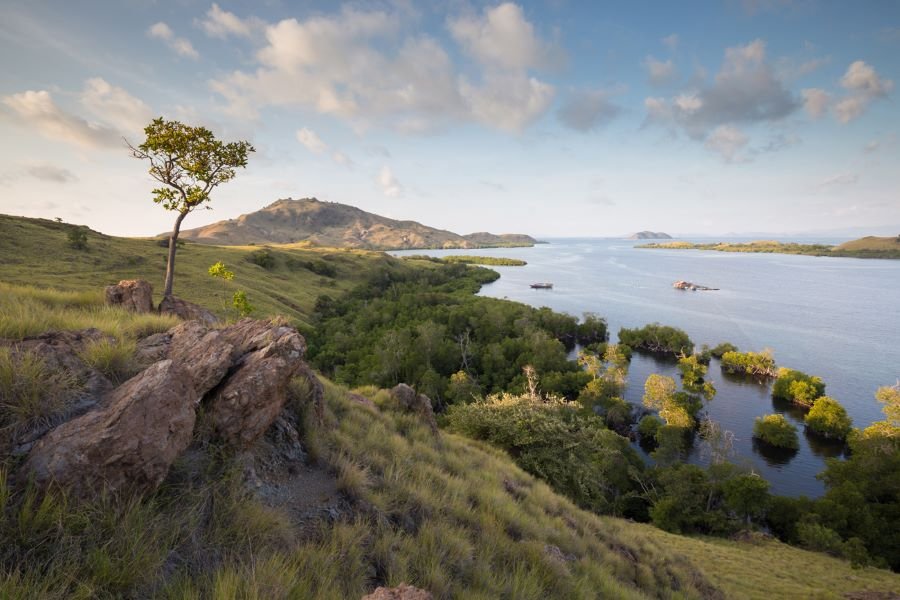
The Road Does Something to Your Sense of Time
Time behaves differently here.
You think you’ve been driving for an hour. It’s been three. Or the opposite.
There are stretches where nothing “happens.” No landmarks. No stops worth photographing. Just road, heat, and the occasional breeze sneaking through the window.
This is usually where doubt creeps in.
Was this the right choice? Should you have skipped straight to a private trip Labuan Bajo instead?
It’s a fair thought. Honestly.
But then something shifts—quietly, almost unnoticeable. You stop checking the time. The road becomes enough. That’s often when a Komodo overland tour begins to make sense.
Not Everything Needs to Be Explained
People often want details. What exactly do you see? What makes it worth it?
But explaining a Komodo overland tour feels a bit like explaining why certain songs make you emotional. You can describe the structure, sure. But that’s not really it.
There are villages. Yes.
There are viewpoints. Of course.
But the meaning isn’t in those points—it’s in how they connect. Or sometimes, how they don’t.
You might pass through a place that feels significant without knowing why. No sign, no guide explaining it. Just a feeling.
And then it’s gone.
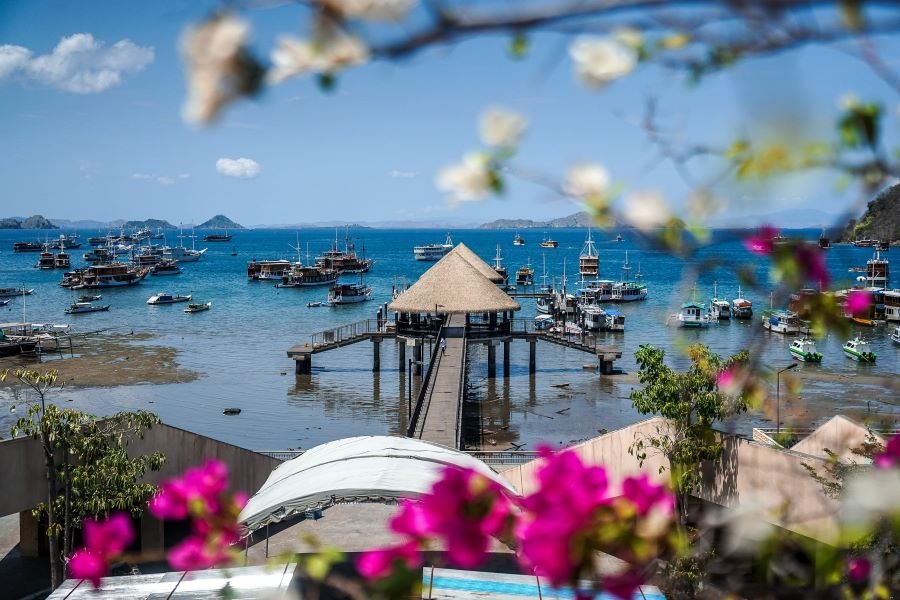
By the Time You Reach Labuan Bajo, Something Has Changed
Labuan Bajo is lively. Boats lined up. People moving with purpose. It’s where most travelers begin their sailing Komodo journey or arrange a private trip Labuan Bajo experience.
Arriving here after a Komodo overland tour feels… different.
Not better. Not worse. Just layered.
You’ve already traveled, in a way that doesn’t show up on maps or highlight reels. So when you finally step toward the harbor, you’re not just starting something new—you’re continuing something that already has texture.
It’s subtle, but it matters.
Sea vs Land? Maybe That’s the Wrong Question
It’s tempting to compare.
Overland versus sailing Komodo. Road versus sea. Slow versus scenic.
But they don’t cancel each other out. If anything, they complete each other.
The road introduces you gently—sometimes too gently. The sea, on the other hand, doesn’t hold back. Wide horizons, sharp islands, colors that feel almost exaggerated.
And yet, without the overland part, the sea might feel… disconnected.
Too perfect, maybe.
With it, everything gains context. That’s why many travelers now intentionally include a Komodo overland tour before heading out to sea.
There’s a Certain Kind of Silence Here
Not empty silence. Not uncomfortable.
Just… space.
Space to think, or not think. Space to notice the sound of tires on uneven roads. The distant call of something you can’t quite identify.
You don’t fill it with music. Or at least, not all the time.
It feels unnecessary.
And that realization alone feels rare these days. A Komodo overland tour somehow creates that space without forcing it.
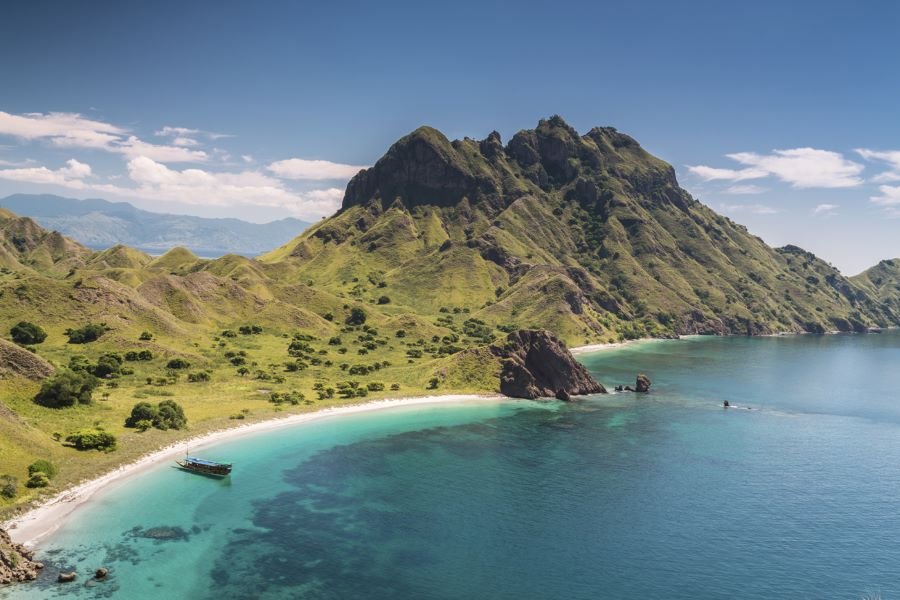
A Slight Sense of Uncertainty (That You Eventually Accept)
There are moments during the journey where things feel unclear.
Is this stop planned?
Are we behind schedule?
Should we be somewhere else by now?
No one rushes to answer. Or maybe there isn’t a clear answer.
At first, that uncertainty feels inconvenient. Then it becomes… freeing.
You stop trying to control the experience. You let it move the way it wants to.
And surprisingly, it still leads somewhere meaningful. That’s one of the quiet lessons of a Komodo overland tour.
When the Journey Extends to the Sea
Eventually, the land gives way to water.
You board a boat—maybe for sailing Komodo, maybe something longer like sailing Lombok to Labuan Bajo. The transition is noticeable, but not abrupt.
It feels earned.
The wind hits differently when you’ve spent days on the road. The openness of the sea contrasts with the contained feeling of the car, but instead of feeling like a reset, it feels like expansion.
Like the story just got bigger. And at that point, a Komodo overland tour feels like the perfect beginning.
Who Actually Enjoys This Kind of Trip?
Not everyone.
If you prefer clarity, structure, and efficiency, this kind of journey might feel frustrating. Too many variables. Not enough “wow” moments stacked back-to-back.
But if you’re okay with pauses… with things not always making immediate sense… then it offers something rare.
A kind of travel that doesn’t perform.
It just exists.
And yes, this is exactly why some people deliberately choose a Komodo overland tour over faster alternatives.
You Might Not Talk About It Much—But You’ll Remember It
Here’s the strange part.
When people ask about your trip later, you’ll probably talk about the dragons, the islands, the snorkeling. The highlights.
The overland part? It might only get a brief mention.
And yet, in quieter moments, it’s the road you’ll remember most clearly.
Not because it was spectacular.
But because it felt real in a way that’s hard to replicate. That’s the lingering effect of a Komodo overland tour.
And Somehow, That’s Enough
A Komodo overland tour doesn’t try to be the main attraction. It doesn’t compete with sailing Komodo experiences or the appeal of a private trip Labuan Bajo.
It sits quietly in the background.
But remove it, and something feels missing.
Not dramatically. Just slightly off.
And sometimes, it’s those small, almost invisible pieces that shape the whole journey more than anything else. That’s why, in the end, a Komodo overland tour becomes more than just a route—it becomes part of the story you carry home.