
If you’ve ever stared at a map of eastern Indonesia and felt that little pull in your chest—there’s something out there—you’re probably thinking about Padar Island surf, even if you don’t know it yet.
Padar Island isn’t loud. It doesn’t advertise itself. No neon surf culture, no crowded lineups buzzing with drones. And that’s exactly why surfers who stumble upon Padar Island surf tend to go quiet afterward. Not secretive. Just… reflective.
I remember the first time I heard someone mention it. Not in a guidebook. Not in a flashy blog. Just a sentence, half-finished, spoken on the deck of a wooden boat somewhere between Komodo and Flores.
“Padar has waves,” he said. Then shrugged. As if that was enough.
It was.
Why Padar Island Surf Feels Different
Let’s get one thing straight early: Padar Island surf isn’t about convenience. And it’s definitely not about ticking boxes.
Padar sits inside Komodo National Park, surrounded by strong currents, shifting winds, and an almost theatrical landscape—three bays, different colored sand, ridgelines that look painted rather than eroded. When waves wrap around this island, they don’t arrive politely. They arrive with intention.
Surfing here feels like arriving late to a conversation that’s been going on for centuries.
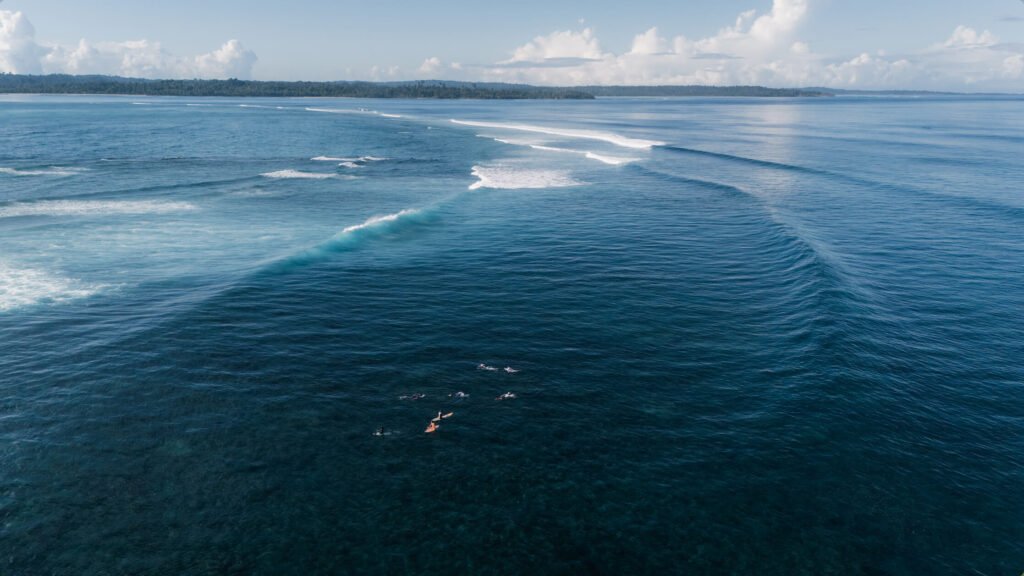
You paddle out. You wait. You listen to the water moving over reef you can’t quite see. There’s a pause—longer than expected—and then the wave stands up.
Not perfect every time. Not predictable. But honest.
And that honesty is what keeps pulling people back to Padar Island surf, even when it would be easier to surf elsewhere.

Getting There: The Journey Is Part of the Story
Most surfers reach Padar via sailing Labuan Bajo, and already, the tone changes. Labuan Bajo itself has grown, sure, but once you leave the harbor, the noise fades fast.
The boat moves. The air smells like salt and diesel. Someone pours coffee that’s slightly too sweet. You pass Komodo Island, maybe see a dragon if luck’s on your side, and then Padar rises ahead—sharp, dramatic, almost unreal.
Others come from farther west, on longer adventures like sailing Lombok to Labuan Bajo. That route changes you a bit. Days at sea compress time. Swells blur together. You stop checking forecasts obsessively and start watching the horizon instead.
By the time you arrive near Padar Island surf breaks, you’re not rushing anymore. You’re receptive. That matters.
Understanding Padar Island Surf Spots (Without Over-Explaining)
There are several Padar Island surf spots, but describing them too neatly would miss the point.
Some breaks work best on a south swell. Others wake up when the wind behaves—briefly. A couple of waves look average from the boat, then surprise you once you’re in the water. Reef setups vary. Entry points shift with tide and mood.
And yes, some ideas repeat themselves here:
- Timing matters more than talent
- Local knowledge beats online research
- One good wave can define an entire trip
You might hear those same thoughts again, phrased differently, on different days. That’s normal around Padar Island surf. Repetition isn’t redundancy—it’s confirmation.
The Rhythm of a Day Surfing Padar
Morning usually starts quietly. Too quietly, sometimes. No roosters. No engines. Just water slapping the hull and someone stretching on deck, joints cracking louder than expected.
You check the wind. You hesitate. Someone says, “Maybe later.”
Later becomes now.
Paddling out at Padar Island surf spots feels exposed. There’s no crowd buffer, no lineup chatter to distract you. Just you, the reef, and the wave deciding whether it wants you or not.
When it works, it really works.
When it doesn’t, no one complains much. You sit on the boat afterward, skin drying tight with salt, replaying that one turn that almost happened. Or that wave you pulled back from. Or didn’t.
Those moments linger longer than you’d expect.
Why Padar Island Surf Isn’t for Everyone (And That’s Okay)
Let’s pause for honesty.
If you want guaranteed waves, consistent conditions, and easy paddles, Padar Island surf may frustrate you. The breaks demand patience. They punish arrogance. They don’t care how far you traveled.
And yet…
For surfers who are tired of the same conversations—about board volume, crowd etiquette, social clips—Padar feels like a reset. Here, surfing becomes quieter again. More internal.
I’ve seen very skilled surfers struggle here. I’ve also seen intermediate surfers have the session of their lives. Not because the waves were easy. Because they were present.
That’s a subtle difference. But it matters.
Repeating the Obvious, From Another Angle
People often say Padar Island surf is “untouched.” That’s not entirely true. Waves break. Boards have been there. Stories circulate.
But untouched doesn’t mean unused. It means unexhausted.
Every swell interacts differently with the island’s shape. Every tide redraws the reef. So even if you return, the wave you remember won’t show up exactly the same way.
That’s why the idea of Padar Island surf keeps looping back in conversations, months later, from different mouths, in different tones.
“Remember Padar?”
“Yeah… that place.”
Same idea. New feeling.
The Mental Side of Surfing Padar Island
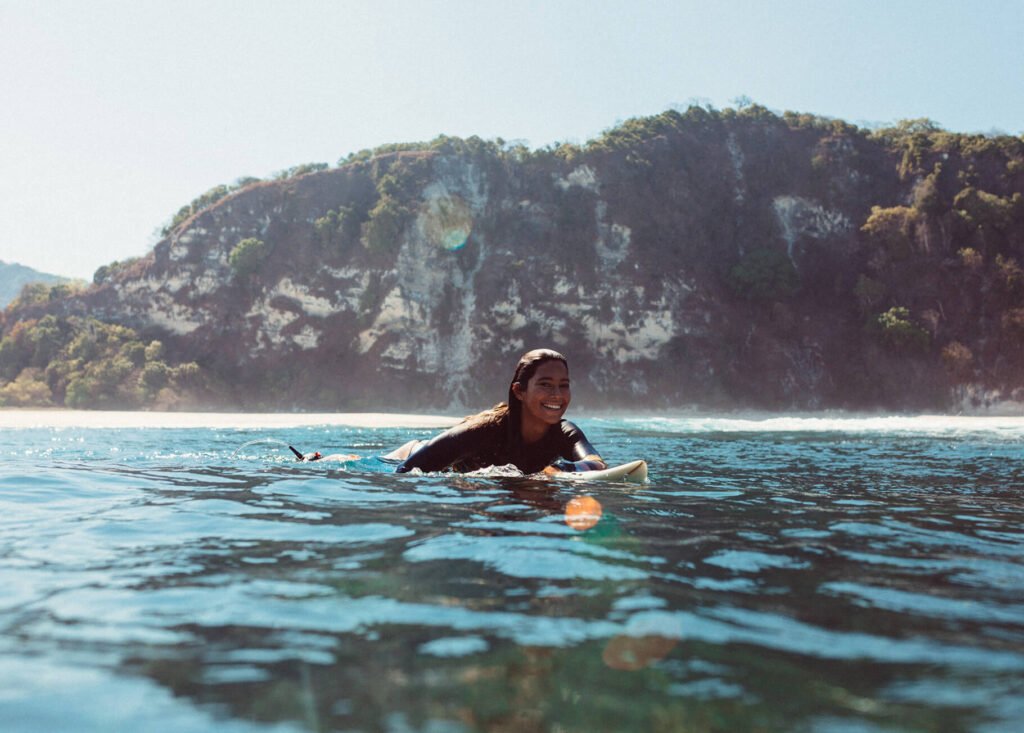
Something shifts when you surf in places reached by sailing Labuan Bajo or long routes like sailing Lombok to Labuan Bajo. You stop thinking in sessions and start thinking in days.
There’s no rush to maximize wave count. No pressure to prove anything. You surf when it feels right. You don’t when it doesn’t.
And that space—between decisions, between sets—is where Padar Island surf really works on you.
You notice small things:
- The color change in the water just before a set
- How quiet everyone gets when the tide turns
- The way the island looks different every afternoon
None of this helps your technique.
All of it improves your surfing.
Padar Island Surf Through an Expert Lens
From a technical standpoint, Padar Island surf is shaped by deep-water swells meeting abrupt reef structures. This creates waves with strong faces but variable takeoff zones. Reading the ocean becomes more important than reacting to it.
Experienced guides will tell you the same thing in different words: don’t force it.
They’ve seen too many surfers arrive with expectations and leave disappointed. The ones who leave smiling are usually the ones who adjusted—not their boards, but their mindset.
That advice sounds simple. It isn’t.
When Padar Island Surf Stays With You
Long after you’ve left—back in traffic, back online, back to checking conditions every hour—Padar Island surf shows up unexpectedly.
In the way you hesitate before paddling into a crowded lineup.
In the way you wait an extra second on takeoff.
In the way silence feels less awkward.
It’s strange. And kind of beautiful.
That’s the effect of places that don’t try to impress you.
Final Thoughts on Padar Island Surf
Padar Island surf isn’t a destination you conquer. It’s one you visit, briefly, and then carry with you.
It asks for patience. It rewards awareness. It repeats lessons until you hear them—then repeats them again, just to be sure.
If you ever find yourself on a slow boat, coffee in hand, watching Padar rise from the sea, don’t rush. Let the doubt linger. Let the moment stretch.
The waves will come when they’re ready.
That’s how Padar Island surf works.