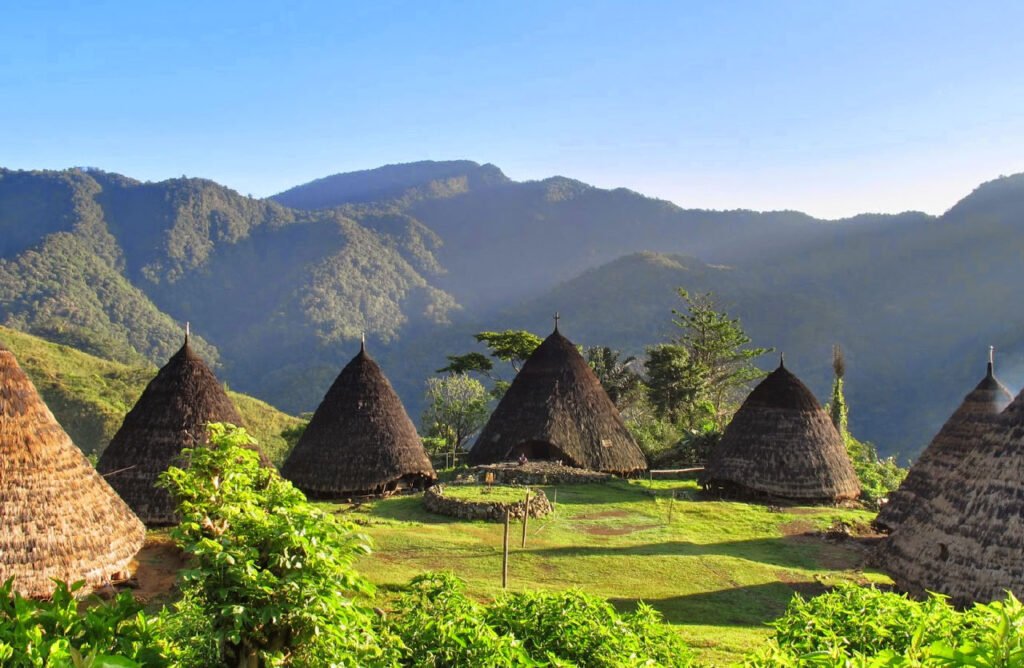
If you’ve ever craved a getaway that feels like hitting the reset button on your life, then this Wae Rebo blog is basically your sign from the universe. The first time I heard about Wae Rebo village, I imagined misty mountains, soft trails, and that peaceful hush you only get far away from city noise. But honestly? The real place hits way harder—in the best way possible.
Before making my way up the mountain, I had just wrapped up a few dreamy days of sailing Labuan Bajo. Imagine this: salty breeze, warm sun, wooden boats slicing through glassy-blue water. Total paradise. And somehow, that whole ocean vibe turned out to be the perfect warm-up before diving into the quiet magic of Wae Rebo village.
So yeah, in this Wae Rebo blog, think of me as your travel buddy—chatting, laughing, maybe oversharing—while we sip something warm and talk about a village that literally feels like it’s floating above the clouds.
Why Wae Rebo Village Feels Like a Living Fairy Tale
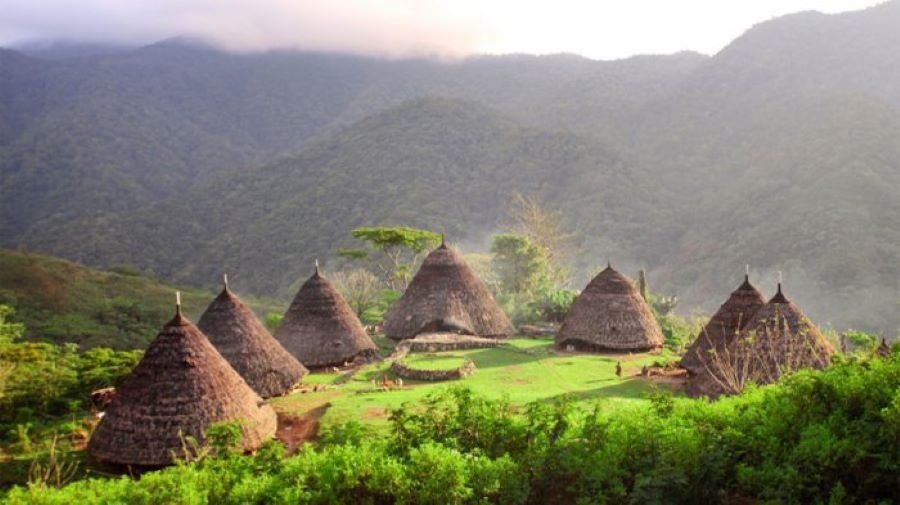
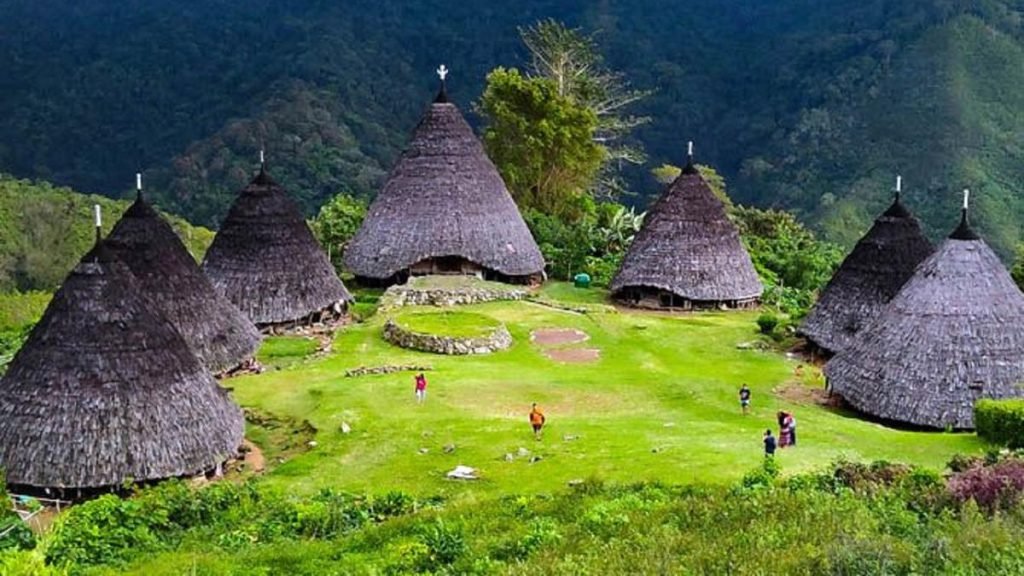
Let me be brutally honest: pictures do not prepare you for Wae Rebo village. Those seven cone-shaped Mbaru Niang houses? Sure, they look cool on Instagram. But seeing them appear slowly from behind drifting morning mist? Whole different world. Like watching a fantasy movie come alive—but you’re standing inside the scene.
You feel the air shift as you approach: cool, moist, and carrying the scent of leaves and wood smoke. The ground feels soft under your shoes, like a natural carpet. Somewhere behind you, birds start singing their little soundtrack. Every sense wakes up—vision, smell, touch—boom, boom, boom.
When I arrived, an elder smiled at me like I was some long-lost cousin. That moment instantly warmed me. And honestly, that’s the kind of vibe the whole village has—peaceful, slow, gentle, grounding. So many travelers mention this in every Wae Rebo blog, because you just can’t ignore it.
Wae Rebo Trek: Challenging, Beautiful, and Surprisingly Meditative
Okay, let’s talk about the Wae Rebo trek. And I’m gonna say this like to a friend:
It’s not a “cute little walk.”
But it’s also not a death mission.
It’s… perfectly in-between.
The trek is around 7–8 km and usually takes 2.5 to 4 hours depending on whether you’re a “power-walker type” or a “stop every two minutes to breathe and take pictures” type. No judgment—I’m absolutely the second one.
The first part is warm-up mode. Trees everywhere. Soft dirt path. You start sweating a bit.
At the second shelter, the forest starts giving you that calm soundtrack. Birds chirping. Leaves rustling. Your breathing syncing with your steps.
Then at the third shelter, the vibe changes—mist starts sneaking between the branches like nature is teasing you with a reveal.
And suddenly… there it is.
Wae Rebo village.
Boom. Magical.
Every cone-shaped house stands tall in the middle of a wide clearing. It’s the kind of view that makes you whisper “no way…” under your breath because saying it normal volume would break the spell.
Almost all travelers describe the Wae Rebo trek as unexpectedly healing. You push your body, but your mind goes quiet. You’re tired, but weirdly at peace. It’s total NLP-body-mind-alignment vibes.
No wonder every authentic Wae Rebo blog raves about the trek.
A Night in Wae Rebo Village: Peace Unlike Anything Else
If I could give only ONE tip:
Stay. The. Night.
Seriously—don’t just climb up, take pictures, and dip. That’s like licking the frosting and dumping the cake. Wasted potential.
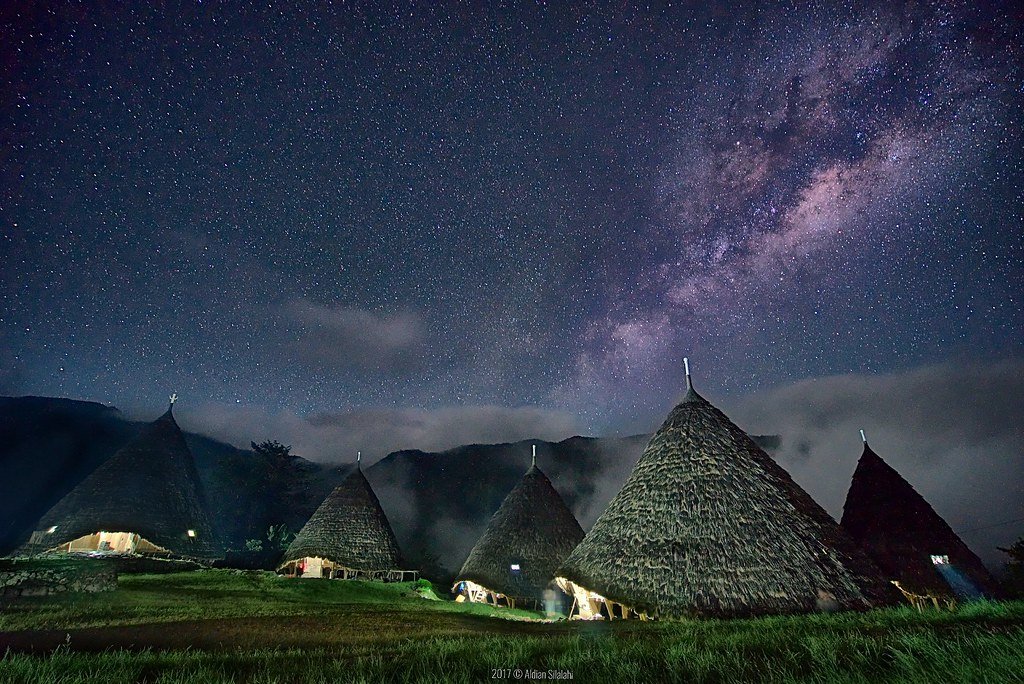
Nighttime in Wae Rebo village is something else entirely. Total “main character energy.”
The sky goes dark slowly. Fires crackle softly. People speak in calm, warm tones. The wind floats between the houses like it’s carrying stories. And as weird as it sounds, your mind starts breathing differently. Slower. Deeper.
I remember sitting outside alone at night, watching the fog curl around the hillside. For a second, everything felt still—like the world paused just for me. That moment stuck with me long after the trip.
Sleeping inside a Mbaru Niang is equally poetic. The smell of bamboo and wood, the shared space, the ultra-soft sounds of nighttime nature—it’s simple but super comforting.
No surprise every Wae Rebo blog says the overnight stay is the real highlight.

Sailing Labuan Bajo + Wae Rebo: The Perfect Flores Combination
Let me tell you—pairing sailing Labuan Bajo with a trip to Wae Rebo village is chef’s-kiss perfection.
The sea days are all about sunshine, water, freedom, and big blue horizons. Then suddenly you switch to mountain air, misty forests, and total serenity. The contrast is wild but beautiful.
Leaving the sea breeze and stepping into the cool mountain air feels like switching playlists from tropical pop to lo-fi chill. And honestly? Both make the journey feel balanced. Like Flores is giving you its whole personality.
No wonder tons of travelers blend the two in their itineraries, and almost every Wae Rebo blog calls this combo the “ultimate Flores experience.”
Before You Go: Practical Tips You’ll Be Glad You Knew
These little things? They’ll save your trip:
- Weather changes fast. Bring a raincoat. Trust.
- Mosquitoes are bold. Repellent is your new best friend.
- Food is simple but comforting. No fancy cafés, but plenty of warmth.
- Zero phone signal. Embrace it—your brain will thank you.
- Prepare physically. The Wae Rebo trek is doable, but not something you want to do in sandals or yesterday’s hangover.
And above everything, come with respect. Wae Rebo village isn’t a theme park—it’s home for people who’ve protected their culture for generations.
Final Thoughts From This Wae Rebo Blog
Writing this Wae Rebo blog makes me feel like I’m back there—breathing the cold morning air, sipping warm Flores coffee, listening to quiet conversations echo inside the Mbaru Niang. Wae Rebo village isn’t just a place to visit. It’s an experience that sits in your heart long after you leave.
If you’re craving a trip that isn’t just beautiful but genuinely grounding—one that reminds you to slow down, breathe deeper, and notice the world again—then this village above the clouds is calling your name.
And maybe… after reading this Wae Rebo blog, you feel that little tug in your chest too.