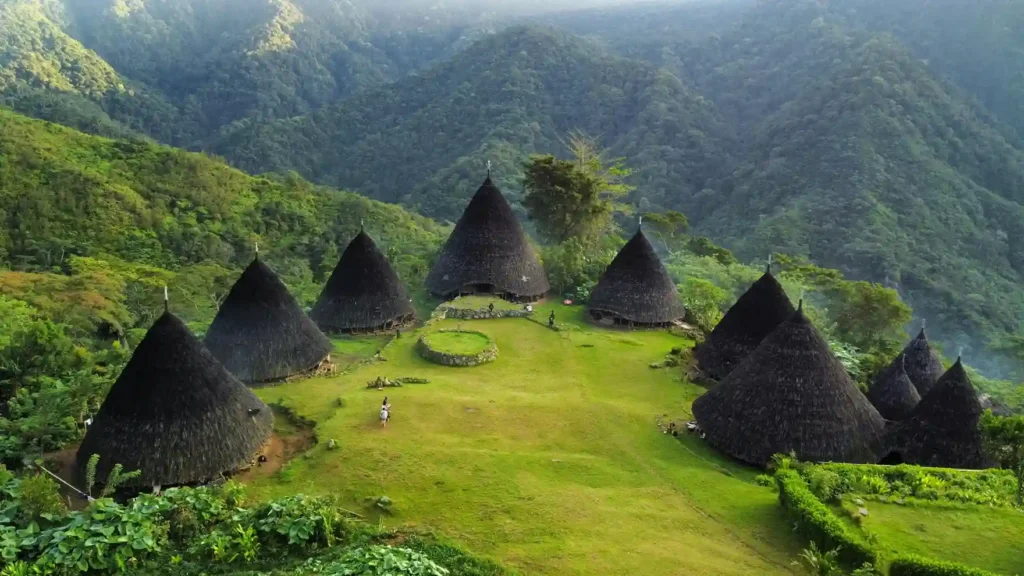
There are trips that look beautiful on Instagram, and then there are journeys that quietly stay inside your memory for years. A Wae Rebo tour is often the second kind. Hidden high in the mountains of Flores, this traditional village seems almost unreal the first time you see it. Seven cone-shaped houses standing above the clouds. Mist moving slowly through the hills. The smell of wet earth after rain. Silence that somehow feels warm instead of empty.
People usually come to Flores for Komodo Island or sailing Labuan Bajo adventures. That makes sense. The ocean there is extraordinary. But somewhere after the busy harbor, beyond the boat schedules and the cameras, many travelers start craving something slower. Something human. That’s exactly where a Wae Rebo tour changes the rhythm of the trip.
The road itself already feels like a transition. Asphalt turns rough. Hills become steeper. Villages disappear one by one. Then suddenly you realize your phone signal is gone, and strangely… you don’t miss it as much as expected.
Why Travelers Keep Talking About Wae Rebo
A mountain village does not normally become the emotional highlight of a Flores journey. Yet people return from Wae Rebo with stories that sound deeply personal.
Part of it comes from the isolation. Reaching the village requires effort. There is no shortcut, no quick stop for tourists rushing through a checklist. Before arriving, visitors must complete Wae Rebo trekking through forest paths and mountain trails. Sometimes the air is cool and pleasant. Sometimes the humidity sticks to your skin so intensely that every backpack suddenly feels heavier.
And oddly enough, that difficulty matters.
When you finally arrive and the traditional houses appear from the fog, the moment feels earned. Not purchased. Earned.
Some travelers laugh immediately. Others go quiet for a few seconds. A guide once mentioned that people often stop talking right at the first viewpoint. He was right. That emotional arrival is one reason a Wae Rebo tour feels different from ordinary cultural trips.
The Atmosphere Feels Different From Other Tourist Destinations
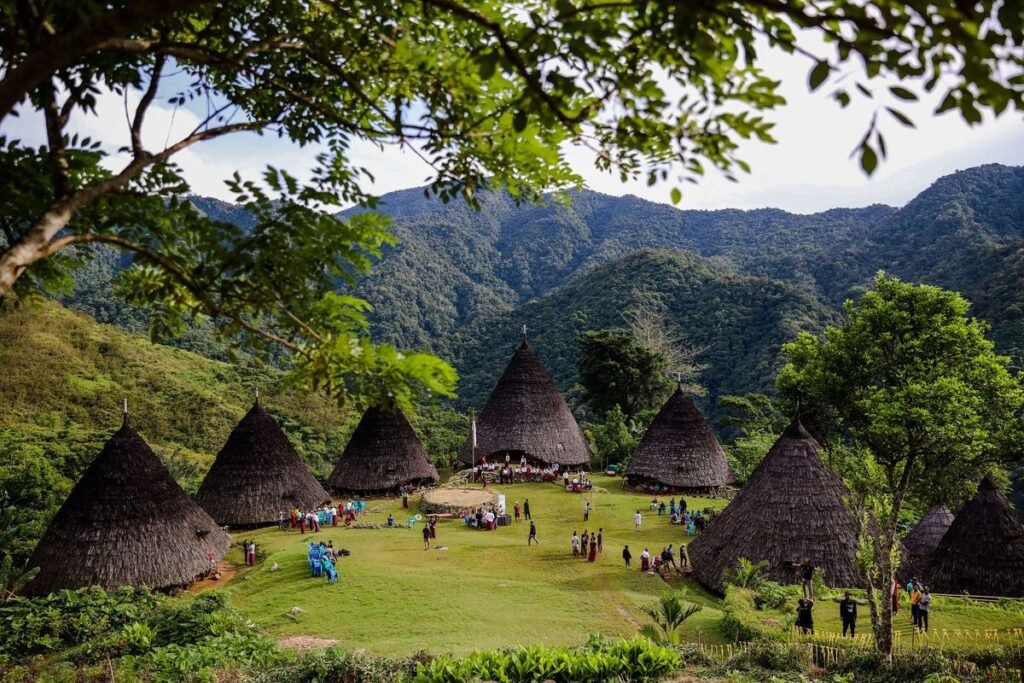
Many destinations try hard to preserve authenticity while adapting to tourism. Wae Rebo still feels naturally alive. Chickens move freely between the houses. Smoke rises from kitchen fires in the afternoon. Elderly villagers sit calmly near the entrance while children run across the open yard without worrying about visitors taking photos every few seconds.
There is tourism here, yes. But it does not entirely shape the village atmosphere.
That distinction is important.
A Wae Rebo tour is not about luxury comfort or perfectly curated experiences. The charm comes from small details that are slightly imperfect. Blankets that smell faintly of mountain air. Wooden floors creaking late at night. The cold temperature after midnight that surprises travelers from tropical cities.
Little things. But they stay with you.
And honestly, some moments are difficult to explain logically. The fog moves fast there. One minute the village is visible, then suddenly hidden. It creates this strange feeling that the place is appearing and disappearing on its own terms. During a Wae Rebo tour, travelers often notice how quickly the outside world feels very far away.
Wae Rebo Trekking Is More Emotional Than Physical
Most travel articles describe Wae Rebo trekking as moderate. That description is technically true, although reality depends heavily on weather and stamina.
The trail usually takes around two to four hours depending on pace. Certain sections are steep, especially after rain. Shoes become muddy quickly. You hear insects constantly. Occasionally birds. Sometimes only your own breathing.
But the emotional side of the trek is what surprises many visitors.
At some point during the climb, conversations become shorter. People stop checking their phones. Even energetic travelers slow down naturally because the forest somehow changes the mood. There’s a rhythm to walking in silence with mountains around you.
Not dramatic silence. Just… quieter thoughts.
And maybe that is part of why a Wae Rebo tour feels restorative. The journey removes distractions before the destination even begins.
Traditional Houses That Hold More Than Architecture
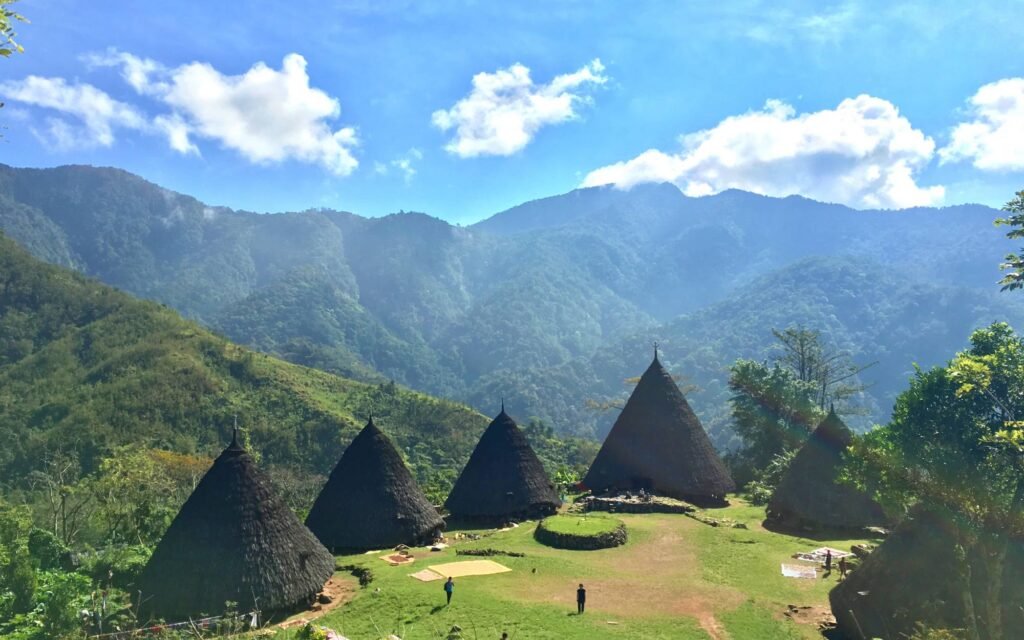
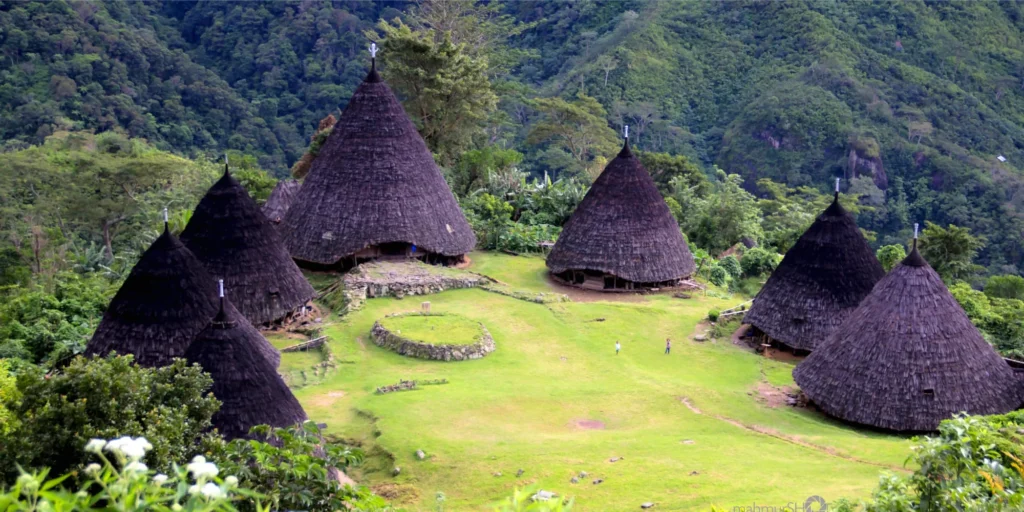
The iconic cone-shaped houses, called Mbaru Niang, are the visual identity of Wae Rebo. From a distance they almost resemble giant woven hats placed gently on the mountain field.
Architecturally, they are fascinating. Built from natural materials with layered roofing, the houses represent generations of cultural knowledge adapted perfectly to the mountain climate.
But visitors rarely remember only the architecture.
They remember the feeling inside.
Dim lighting. Warm conversations. The crackling sound from the kitchen fire. Shared sleeping spaces where strangers slowly become temporary companions for one evening.
A Wae Rebo tour creates unusual social moments because everyone experiences the same environment together. Without televisions. Without nightlife. Without constant digital distraction.
At first, some travelers feel awkward. Then people start talking naturally again.
It’s funny how rare that has become.
Combining Sailing Labuan Bajo With Mountain Culture
One reason Flores has become increasingly popular is the contrast between experiences. In only a few days, travelers can move from ocean adventures to remote mountain villages.
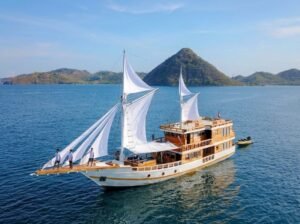
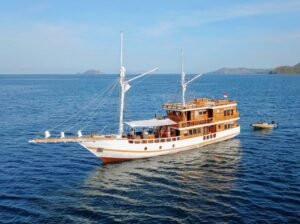
After sailing Labuan Bajo routes around Komodo National Park, many visitors continue inland toward Ruteng and Wae Rebo. The transition feels dramatic in the best possible way. Saltwater breeze gets replaced by cold mountain air. Loud boat engines become forest sounds.
The body notices it immediately.
An interesting thing happens during this combination trip. Travelers who initially focused entirely on island scenery often end up discussing the village experience more afterward. Not because one destination is objectively better. They are simply different in emotional texture.
Open trip Labuan Bajo packages sometimes include extensions toward Flores highlands now, especially because more travelers want cultural depth alongside natural beauty. Many local operators now recommend adding a Wae Rebo tour after island hopping experiences.
And honestly, the combination works beautifully.
Ocean days feel brighter after mountain silence. Mountain nights feel deeper after crowded harbor mornings.
Food Tastes Simpler, Yet Somehow More Memorable
Nobody visits Wae Rebo expecting fine dining. Meals are simple and practical, often prepared collectively by local families.
Rice. Vegetables. Soup. Coffee. Occasionally fresh fruit depending on season.
Still, many travelers mention the meals afterward. Maybe because cold weather changes appetite. Maybe because hiking increases appreciation for warm food. Or maybe because eating communally slows people down enough to actually notice flavors again.
There’s usually a moment at night when everyone sits together quietly drinking Flores coffee while fog thickens outside the house entrance.
No performance. No itinerary announcement.
Just a pause.
Those pauses matter more than expected during a Wae Rebo tour.
The Village Changes With Weather and Time
Some destinations feel almost identical every day. Wae Rebo doesn’t.
Morning fog creates a mysterious atmosphere where the houses emerge slowly from white clouds. Midday sunlight reveals the green hills surrounding the valley. Rain transforms the paths into slippery earth while making the entire village smell intensely fresh.
At night, temperatures drop enough that many visitors pull blankets tighter around their shoulders while listening to wind outside.
And there are tiny observations people remember unexpectedly.
Wet socks drying near the fire. The sound of distant laughter from another house. The awkward but satisfying feeling of finally removing hiking shoes after hours of walking.
Not every memory needs to be spectacular.
That’s probably why a Wae Rebo tour feels emotionally real instead of overly polished.
Open Trip Labuan Bajo Travelers Often Extend Their Journey
Interestingly, many backpackers initially discover Wae Rebo almost by accident. They arrive in Flores mainly for Komodo tours or open trip Labuan Bajo experiences, then hear another traveler casually mention “the village above the clouds.”
Curiosity takes over quickly.
Some travelers hesitate because of the trekking requirement. Others worry about basic accommodation. Yet after returning, many describe the mountain village as the most grounding part of the trip.
Not luxurious. Not adrenaline-heavy.
Just grounding.
There’s a subtle difference.
One traveler once described Wae Rebo as “the first place in years where I stopped trying to document every second.” That sentence captures something important. The village naturally encourages presence without forcing it. For many visitors, a Wae Rebo tour becomes less about sightseeing and more about reconnecting with slower moments.
And no, not everyone experiences a dramatic transformation there. Sometimes people simply enjoy the scenery and continue their journey. That’s valid too.
Still, even casual visitors often remember the atmosphere longer than expected.
A Wae Rebo Tour Is About More Than the Destination
Travel culture today often emphasizes efficiency. Cover more places. Take more photos. Finish more itineraries.
Wae Rebo resists that pace naturally.
The long drive, the mountain trail, the overnight stay, the weather unpredictability — none of it feels optimized for speed. Yet maybe that is exactly why the experience remains powerful despite growing popularity.
You cannot rush mountain fog.
You cannot schedule authentic silence.
And you definitely cannot fake the feeling of seeing traditional houses appear after hours of Wae Rebo trekking through dense forest trails.
A Wae Rebo tour invites travelers into a slower rhythm almost accidentally. Somewhere between the climb and the evening conversations, people begin noticing ordinary details again. The texture of woven walls. The coldness of dawn air against skin. The strange comfort of hearing rain on a traditional roof deep in the mountains of Flores.
Then eventually the journey ends. Travelers return to coastal towns, continue sailing Labuan Bajo routes, or join another open trip Labuan Bajo itinerary toward nearby islands.
But the mountain village lingers quietly in memory.
Not loudly. Not dramatically.
Just enough to make people think about returning someday. And perhaps that quiet emotional impact is the real reason a Wae Rebo tour continues attracting travelers from around the world.