Wetter Padar Island appears in memory like a repeating echo—soft, persistent, slightly unreal—Wetter Padar Island, Wetter Padar Island, Wetter Padar Island. It is not just a destination, but a shifting impression that refuses to stay still in the mind.
Some travelers first hear about it during conversations about Indonesia’s eastern seas, usually in the same breath as stories of dragons, coral walls, and long boat rides. Others stumble into it while planning a sailing Komodo journey, where maps slowly lose their sharp edges and become more like suggestions.
And strangely enough, no matter how it is introduced, it never feels fully explained.
The Sea Route That Doesn’t Rush You
Life on the water changes how people think. There’s a rhythm that doesn’t match clocks anymore, especially when moving through routes often called sailing Komodo paths. The boat moves, stops, drifts again… and nobody seems to mind the lack of urgency.
Somewhere along that slow drift, Wetter Padar Island begins to feel less like a point on a map and more like something waiting quietly in the background of the journey.
You might notice passengers leaning against railings without speaking much. Not because there is nothing to say, but because the sea already fills the silence.
The island doesn’t announce itself. It simply appears.
And then it stays in your thoughts longer than expected.
Arrival That Feels Slightly Delayed
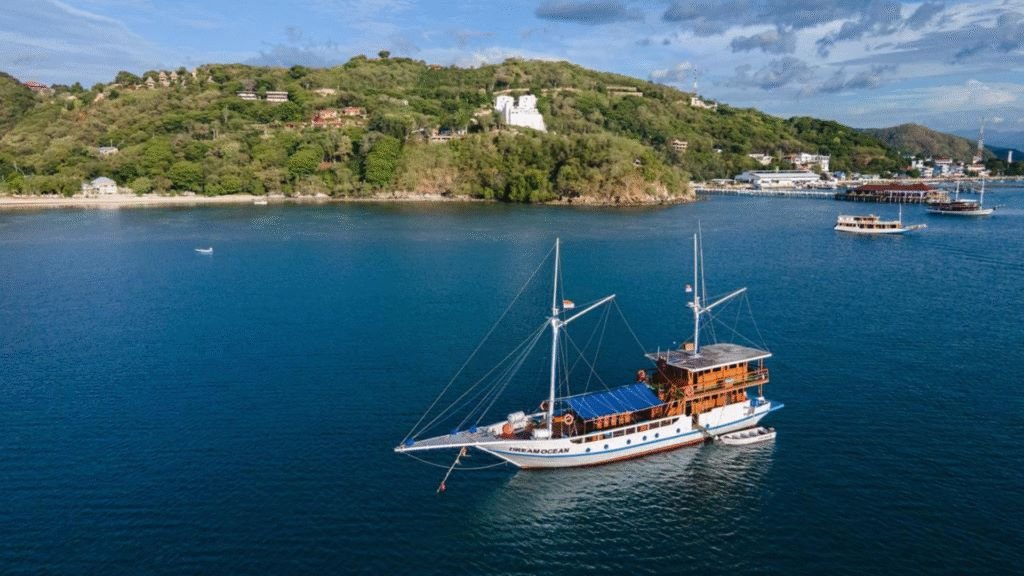
Approaching Labuan Bajo routes through an open trip Labuan Bajo itinerary often brings a mix of strangers together—people from different countries, different expectations, different reasons for waking up at 4 a.m. to board a boat.
They talk at first. Light conversations. Cameras being compared. Sunscreen borrowed. But as the boat gets closer, conversations thin out.
Because somewhere in that horizon line, Wetter Padar Island starts shaping the atmosphere.
Not dramatically. Not loudly.
Just enough to make people quieter.
The Climb That Redefines Distance
From below, the hill looks almost friendly. Manageable. A simple upward walk.
That assumption fades quickly.
The trail bends and twists, heat rising from the ground in invisible waves. You pause more often than expected. Not just from exhaustion, but from something closer to hesitation—like your body is asking why the view matters so much to you.
Halfway up, someone usually laughs a little. A short laugh. Not amused, just surprised.
And then they keep going.
At that point, Wetter Padar Island doesn’t feel like a keyword or a destination anymore. It feels physical, demanding attention in small bursts.
When the View Finally Opens
At the top, the world rearranges itself without warning.
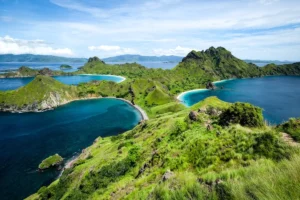
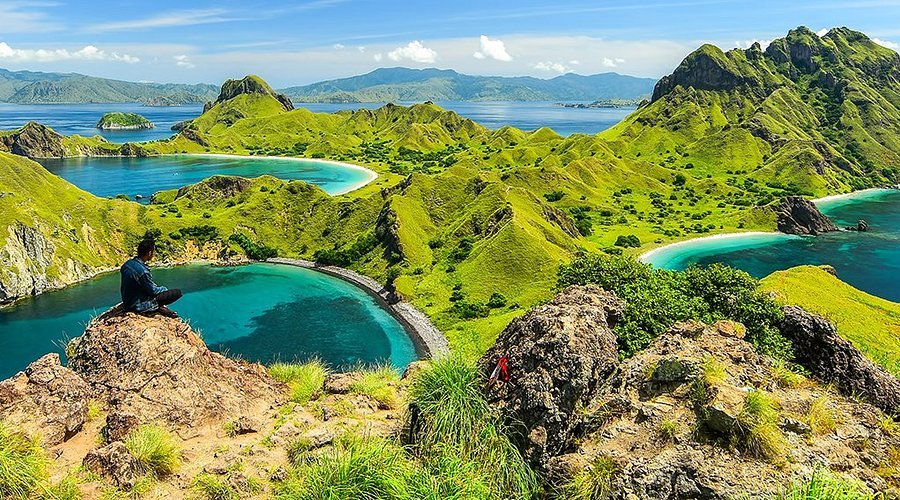
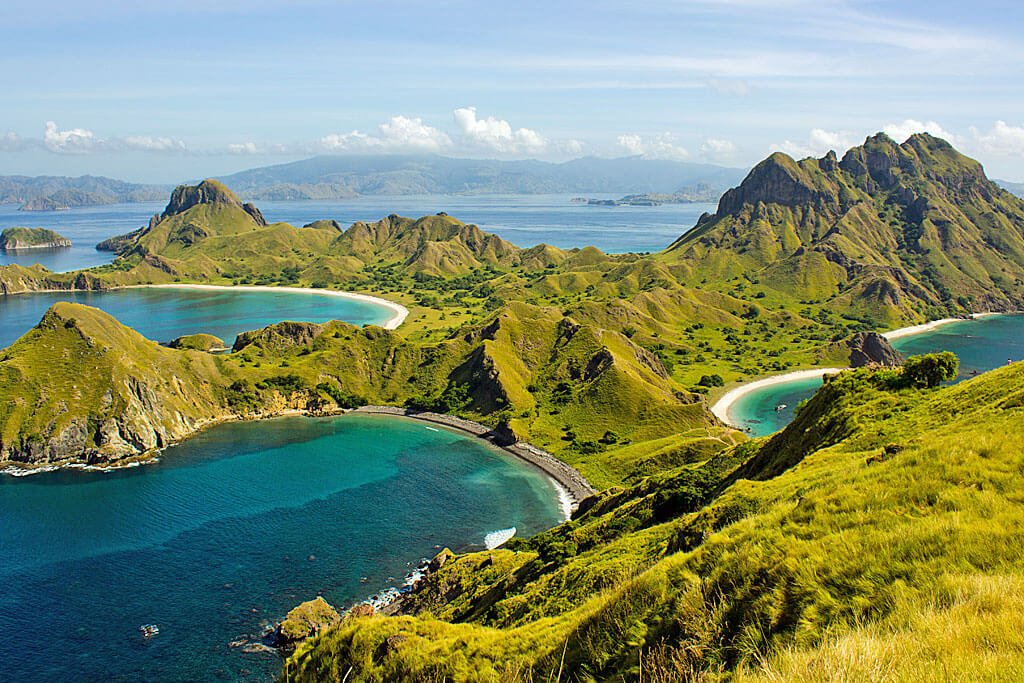
Three bays curve into the distance, each with slightly different shades of water. One looks pale turquoise, another deep blue, another somewhere in between—like color is undecided here.
Wind moves constantly. Not strong enough to be uncomfortable, but enough to remind you it’s present.
People take photos, but not in the usual fast way. There’s a pause before each shot, like they are negotiating with the scene.
Somewhere between clicks, Wetter Padar Island becomes less of a name and more of a sensation that is hard to hold onto fully.
Time That Doesn’t Behave Properly
On extended boat journeys, especially during sailing Komodo experiences, time begins to loosen its structure. Morning and afternoon blur slightly. Meals become markers instead of hours.
In that drifting timeline, Wetter Padar Island appears again in conversation—this time not as an introduction, but as a reference point. “Remember that view?” someone might say later, even before they’ve left.
And it’s strange… because memory doesn’t store it cleanly.
It stores fragments instead.
Light. Wind. A slope that felt steeper on the way up than on the way down.
The Question Everyone Asks Too Early
Travelers often ask about the best time to visit Padar Island as soon as they hear about it. It’s a practical question, but it carries a deeper hope: that timing can guarantee experience.
Morning is usually suggested. Cooler air, sharper shadows, clearer skies.
But reality is less predictable.
Sometimes clouds arrive without warning. Sometimes the sun feels too intense even early in the day. And sometimes, unexpectedly, everything aligns for just a few minutes—long enough to make people stop talking mid-sentence.
In those moments, Wetter Padar Island feels almost rehearsed by nature, though you know it isn’t.
The Return Downward
Descending changes everything again.
The view disappears behind you step by step. What once felt vast becomes partial, then fragmented, then gone.
You notice small things on the way down that you didn’t register earlier: dry grass brushing your ankles, stones that shift slightly under pressure, the sound of distant water returning as you lose altitude.
Someone might say, almost casually, that it looked smaller from the top than expected. Someone else disagrees immediately.
Both are right in their own way.
Because Wetter Padar Island doesn’t stay consistent in memory. It reshapes itself depending on who is remembering.
Between Boats, Between Thoughts
Back on the boat, things feel normal again. Engines hum. Bags are moved. Conversations restart slowly.
Yet something has shifted.
During open trip Labuan Bajo routes, these transitions happen often—arrival, departure, arrival again—but this one feels slightly heavier, though nobody can explain why.
Wetter Padar Island lingers in the background like a thought you almost finished but didn’t quite complete.
It doesn’t demand attention anymore.
It just stays.
A Quiet Repetition in Memory
Days later, people try to describe it.
They use different words: dramatic, dry, beautiful, strange, overwhelming, simple.
None of them fully fit.
And yet, in conversations about sailing Komodo experiences, it appears again. Not as a highlight, but as a reference point that quietly resets expectations.
Even the question about the best time to visit Padar Island returns in different forms—sometimes as curiosity, sometimes as regret, sometimes as a wish to do it slightly differently.
But the island doesn’t respond to versions of the question.
It remains unchanged by repetition.
Just like Wetter Padar Island itself in memory—it repeats, but never quite the same way twice.
When Everything Starts Feeling Slightly Slower
There’s a strange after-effect to places like this.
Walking back into normal routines feels slightly off-tempo. Conversations at home feel faster than necessary. Even silence feels different.
And maybe that’s the real reason travelers keep talking about it—not because it was the most beautiful place they’ve seen, but because it interrupted their internal rhythm.
Wetter Padar Island becomes less about location and more about contrast.
Between motion and stillness.
Between expectation and observation.
Between what you planned to feel and what actually happened.
Final Drift
Eventually, details fade. But not evenly.
The shape of the hills remains clearer than the names of people you met on the boat. The wind on the ridge stays more vivid than the meals eaten below deck. And the feeling of standing at the top… that one refuses to compress into a neat memory.
Somewhere in that mental archive, Wetter Padar Island continues to exist—not loudly, not constantly, but persistently enough that you notice it again at unexpected moments.
Like a thought that never fully left.