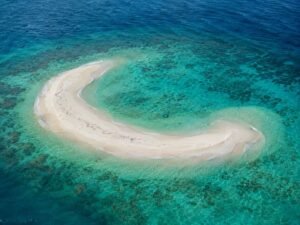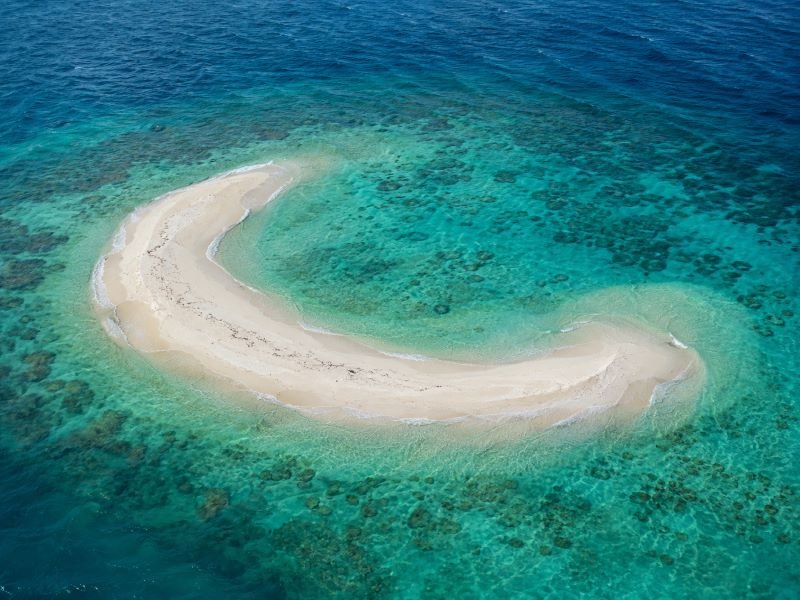
We’d happily leave a little room in a Komodo itinerary for taka makassar island. A curve of sand surrounded by blue water doesn’t sound like much on paper, but that’s exactly the appeal. There’s very little competing for your attention.
The useful thing to know straight away is that this is a tidal sandbank reached by boat, with its exposed area changing as the water rises and falls. We’d approach it as a possible stop within a wider Komodo trip, with access decided by conditions.
A lovely pause. Not a whole day ashore.
What taka makassar island actually looks like
If you’re imagining a leafy island with a shaded beach café, we’d reset that picture before you go. The sandbank has no trees, so time ashore means direct exposure to the sun.
We like its simplicity. You might walk along the sandy edge or enjoy the changing water colours, provided the crew considers access suitable. But we’d leave the all-afternoon beach picnic idea for somewhere with proper shade and facilities.
1. Let the tide shape your expectations
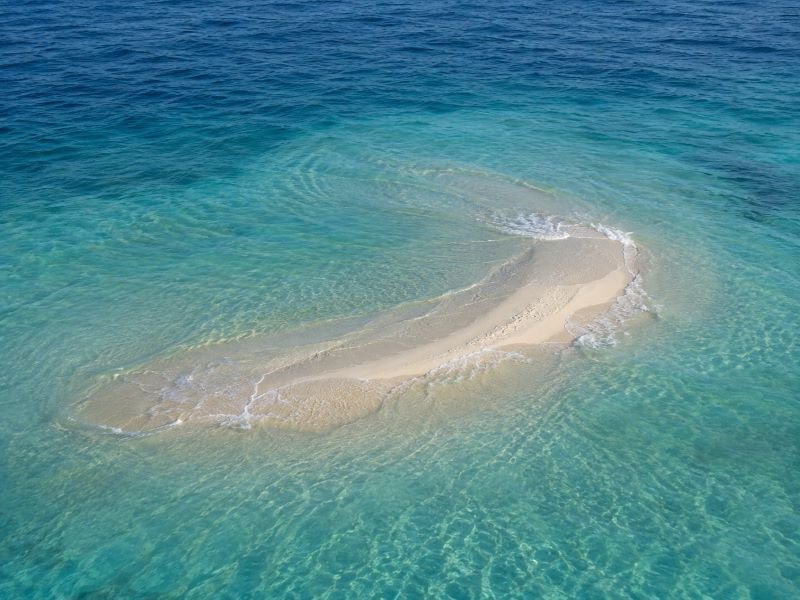
The sand changes. That’s part of it.
We wouldn’t judge your visit against one aerial photograph, because the amount of exposed sand depends on the tide and your arrival may show a different outline.
A lower tide can reveal more sand, but that alone doesn’t decide whether a stop should go ahead. We’d leave the final call to the skipper, who also considers the sea conditions and the approach.
2. Look at the route before counting stops
We’d put taka makassar island into the wider sailing day before deciding how long you might spend there. Boats reach the area from Labuan Bajo, but crossing times vary with the vessel and conditions.
For a clearer sense of the day’s geography, we’d use the Taka Makassar Island map to place the sandbank alongside your other planned stops, then discuss the route with the team.
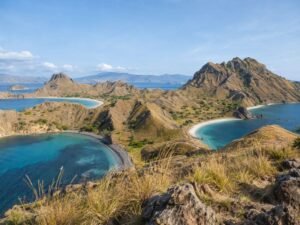
Less guesswork. We wouldn’t turn a map into a fixed arrival promise, though, especially when a route also includes a Padar hike or a guided wildlife visit.
3. Treat water access as a separate decision
We’d never read pale turquoise water as an automatic invitation to jump in. Shallow-looking areas can still have moving water, and an attractive photograph tells you little about conditions at that moment.
A short swim? Maybe. The guide’s assessment comes first, including where to enter and how you’ll return to the boat.
We’d also mention weak swimming confidence before departure. Properly fitted flotation equipment and a clear briefing are more useful than feeling pressured to join everyone else.
4. Choose the boat experience you actually want
One day or several? We’d start there.
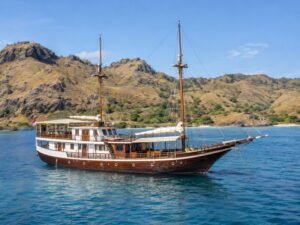
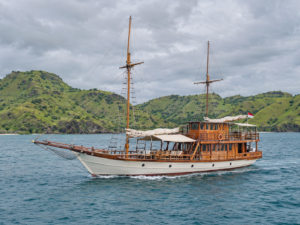
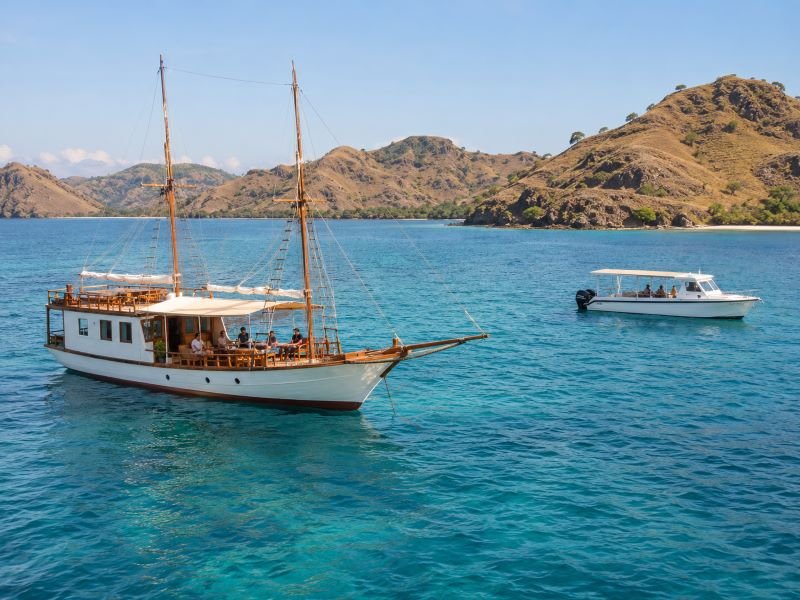
A speedboat trip can suit travelers with limited time, while a 3D2N liveaboard gives you nights aboard as part of the experience. We’d choose around your appetite for boat travel and shared space.
For couples or families who want the boat reserved for their group, we’d discuss a private Komodo Island tour and which preferences can realistically be accommodated within the operating conditions.
Private doesn’t mean unrestricted. We’d still expect the skipper to adjust plans for weather or harbourmaster instructions, and government rules can also affect where the boat goes.
5. Think beyond the photograph to onboard comfort
Wet clothes happen. We’d plan for that.
For a visit to taka makassar island, we’d keep a dry layer in a splash-protected bag and have sun protection within reach before leaving the main boat.
The transfer arrangement is worth discussing if anyone in your group finds small boats or uneven boarding awkward. Larger vessels may remain offshore, so we’d want you comfortable with how guests reach the sandbank.
For an overnight trip, we’d compare the actual cabin and bathroom arrangements before choosing. Air conditioning and meals may be included, but facilities vary by boat and package.
6. Compare the full quote before booking
We wouldn’t budget from a sandbank photograph and a headline rate. Your overall spend depends on the trip format, with the selected boat and package inclusions affecting the quote.
To put the budget into context, we’d review the taka makassar island price information alongside a current package quotation, then clarify any charges payable separately.
No guessing game. We’d want the written details to explain transfers and equipment, with any applicable park fees clearly addressed before payment.
7. Keep the visit gentle
We think the nicest souvenir here is a photograph that leaves everything as it was. We’d keep fins clear of coral and avoid standing on reef areas when entering the water.
No chasing wildlife. If your route also includes Manta Point, we’d treat any sighting as a possibility and give animals room to move without swimmers following them.
The same restraint applies elsewhere on the trip. We’d follow the ranger’s directions during a Komodo visit, with no promise of a particular encounter or a perfect photograph.

Is it worth visiting if the sandbank is partly covered?
Possibly, yes. We’d still enjoy the surrounding scenery, but we’d let the crew decide whether stopping or entering the water makes sense under the conditions you actually find.
Can non swimmers enjoy the stop?
Yes, potentially. We’d discuss staying aboard or a suitable landing with the team beforehand, because enjoying the view shouldn’t depend on joining a swim you’re uncomfortable with.
Will every Komodo package include this destination?
No. We’d confirm taka makassar island against your selected package, remembering that even a listed stop can change when weather or operating restrictions affect the route on departure day.
Can you guarantee manta rays nearby?
No. We’d plan for the sailing experience and treat wildlife sightings as a welcome possibility.
Let’s find your kind of Komodo trip
If this sandbank is high on your wish list, we’d love to hear what the rest of your holiday looks like. Book through the official Sailing Labuan Bajo website and send us your travel dates with your group size.
Ask our team about available departures and boat options. We’ll help you compare the trip types, discuss the proposed itinerary and pickup point, and explain how weather conditions may affect the sailing plan.