If you’ve ever wondered what makes famous Indonesia food so unforgettable, it usually doesn’t hit you all at once. It creeps in. Maybe from a smoky street corner, maybe from a small plate you didn’t plan to order. Then suddenly, you’re there—pausing mid-bite, slightly confused, but in a good way. The flavors don’t shout; they layer themselves quietly. And without realizing it, you’re already thinking about the next bite before you finish the first.
Why Famous Indonesia Food Feels… Different
It’s hard to explain without sounding exaggerated. But I’ll try.
There was this one evening—I wasn’t even looking for anything special. Just hungry. I stopped at a random stall, the kind with uneven lighting and a fan that made more noise than wind. The food came quickly. No presentation, no explanation.
But the taste? Unexpectedly deep.
That’s where famous Indonesia food starts to feel different. It doesn’t try too hard. It just… is.
Traditional Indonesian food often comes from habit, not measurement. And you can feel that. Somewhere between the spices and the silence of the cook.
Rendang: Slow, Almost Stubborn Flavor
People talk about rendang like it’s something grand.
But when you eat it, it feels grounded. Quiet. The beef is cooked for hours, absorbing everything—coconut milk, spices, time itself.
You chew slowly. Not because you have to, but because it feels right.
Famous Indonesia food like this doesn’t rush you. It waits.
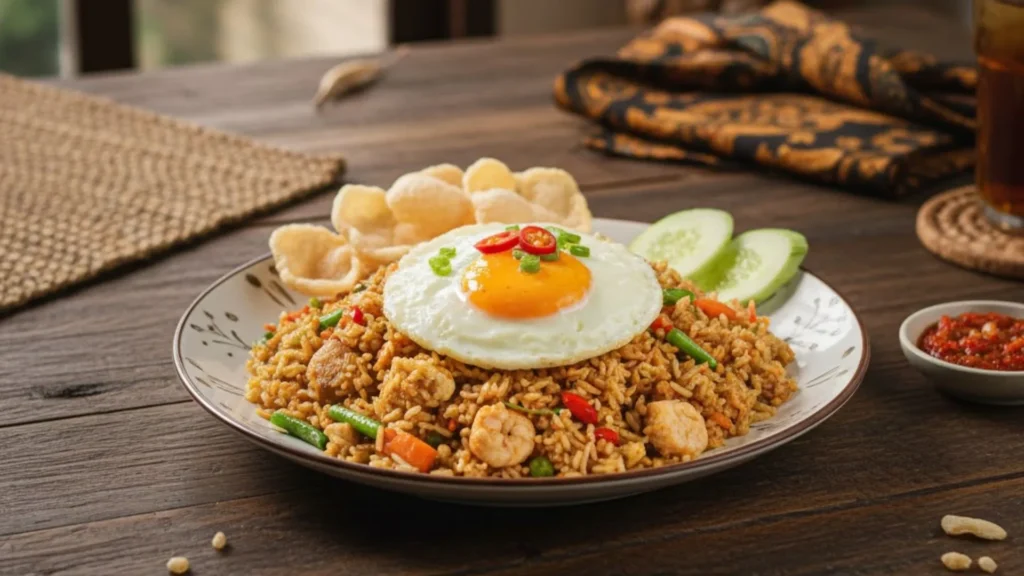
Nasi Goreng: More Than It Looks
It’s easy to underestimate nasi goreng.
Just fried rice, right?
Then you notice the small things. The slight sweetness. The hint of smokiness that disappears quickly. A fried egg that melts into everything when you break it.
I had it once during an open trip Labuan Bajo. Same dish I’d eaten before, but somehow it tasted… different. Maybe it was the sea air. Maybe the people around me.
Hard to tell.
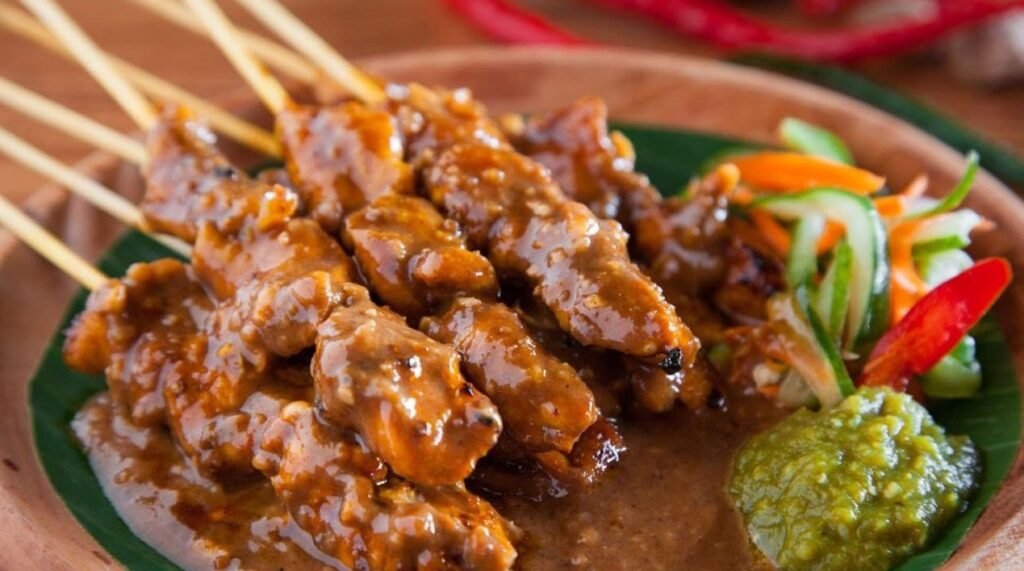
Satay: A Rhythm You Don’t Plan to Notice
You hear it before you fully see it—the crackle of charcoal, the soft movement of skewers turning.
Satay isn’t rushed. It’s repetitive in a calming way. Chicken, beef, sometimes lamb, coated in sauce that’s richer than it looks.
Famous Indonesia food often includes this kind of pause. A moment where nothing happens quickly.
Soto: When You Need Less Noise
Not every dish needs to impress you.
Soto feels softer. A bowl of warm broth, light but steady. Chicken or beef, herbs floating gently.
There are days when bold flavors feel like too much. This is where traditional Indonesian food balances itself.
Quietly.
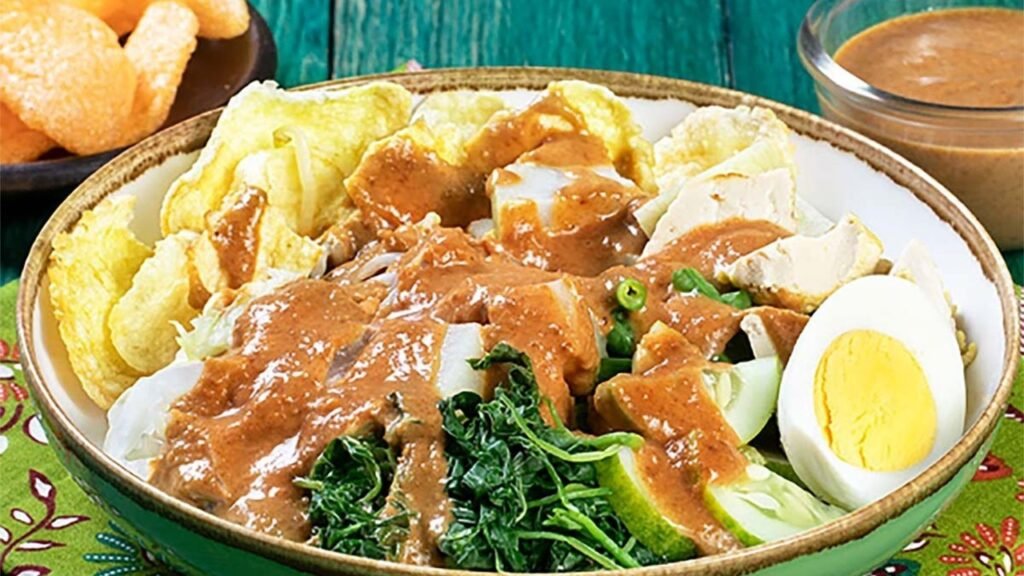
Gado-Gado: Slightly Messy, Somehow Right
At first, it doesn’t seem cohesive.
Vegetables, tofu, tempeh, eggs. Then peanut sauce poured over everything. It shouldn’t work perfectly—but it does.
Famous Indonesia food sometimes feels like that. Not structured. Not precise.
But complete.
Ayam Taliwang: The One That Surprises You
The first bite can feel a bit intense.
Ayam Taliwang doesn’t hold back—spicy, smoky, slightly sweet underneath. The chili hits fast, almost too fast.
I remember pausing after the first bite. Just for a second.
Then going back in.
Famous Indonesia food like this doesn’t ask permission. It just happens.
Tempeh: Easy to Miss, Hard to Forget
Tempeh doesn’t stand out immediately.
It’s simple—fermented soybeans, cooked in different ways. Fried, sautéed, sometimes seasoned lightly.
But then it grows on you.
There’s a depth you don’t expect. Something subtle that keeps you coming back.
Traditional Indonesian food often hides its strongest impressions in the simplest forms.
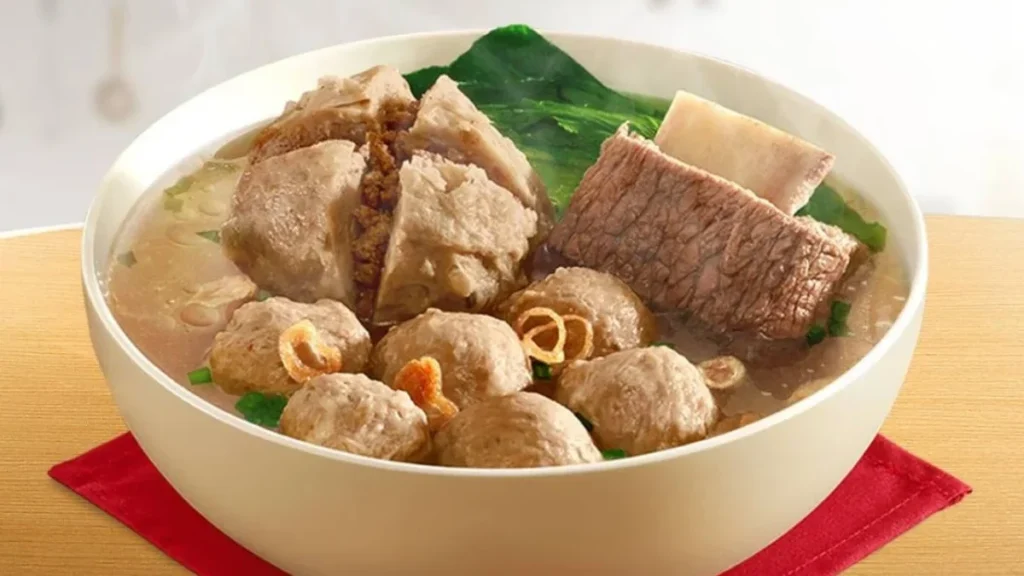
Bakso: More Than It Should Be
Bakso seems straightforward.
A bowl of meatball soup. Warm, filling.
But then you notice everything else—the sound of spoons, the passing traffic, someone calling out an order in the background.
You take a bite, and somehow it feels tied to that exact moment.
Famous Indonesia food does that. It attaches itself to memories.
Moments That Happen Without Planning
Some of the best meals aren’t planned.
Like when you’re sailing Labuan Bajo, watching the sky slowly change color. There’s no rush. Just water, wind, and silence.
Then food appears. Grilled fish, sambal, rice.
Nothing complicated. But it fits perfectly.
Or during an open trip Labuan Bajo, where conversations start awkward, then slowly open up. The food becomes part of that shift.
And it tastes different because of it.
Spices: Always in the Background
You don’t always notice them individually.
Turmeric, lemongrass, chili, galangal—they blend into something that feels whole.
Take one away, and the dish feels incomplete.
That’s how famous Indonesia food works. Not loud. But essential.
Why It Stays With You
You might think you’ve understood it.
Tried enough dishes. Seen enough variations.
But then something changes—a slightly different sambal, a new way of cooking, a small variation that shifts everything.
And you’re curious again.
Famous Indonesia food doesn’t end. It loops back, slightly altered.
A Taste That Lingers Quietly
After eating, there’s always that small pause.
You sit there, not saying much. Just noticing.
The flavor doesn’t disappear immediately. It stays for a bit. Then longer than expected.
Famous Indonesia food has a way of settling in—not loudly, not dramatically. Whether you found it in a crowded street or during sailing Labuan Bajo, it leaves something behind.
Not just taste.
Something quieter.