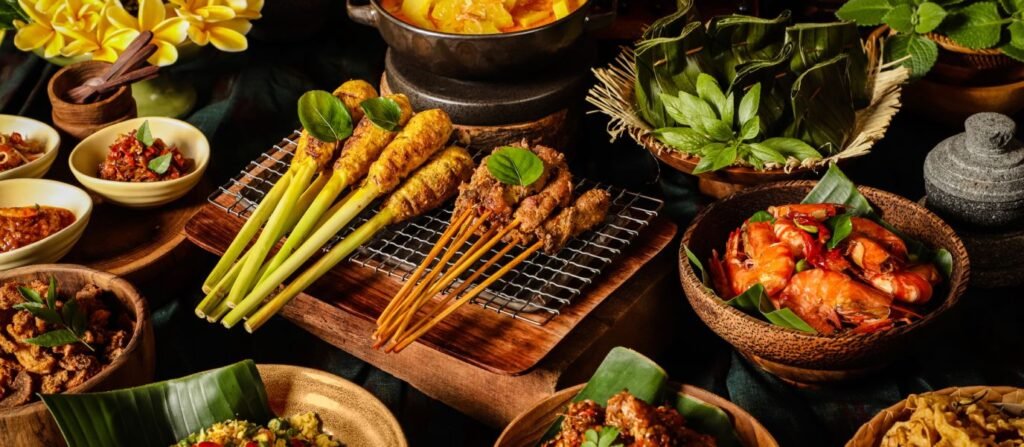
If you’ve ever taken a bite of traditional Indonesian cuisine, you know exactly how it feels—like a delicious explosion of spices, warmth, and nostalgia happening right inside your mouth. I still remember the first time I tried ayam taliwang on a random roadside stall in Lombok. The smoky aroma hit me before the plate even touched the table… and I swear, for a split second, everything else went quiet. Food that powerful? Yep—that’s the charm of Indonesian dishes: unpretentious, soulful, and straight-up addictive.
Today, we’re going to explore that unique magic in a chill, friendly, “let’s-chat-over-food” vibe. Same title, same H2 structure—but with a more playful, more casual, more gaul tone. And of course, the keyword traditional Indonesian cuisine stays woven naturally throughout.
Why Traditional Indonesian Cuisine Feels So Alive
What makes traditional Indonesian cuisine so hypnotizing isn’t just the flavors—it’s the energy behind them. Indonesia has hundreds of ethnic groups, countless islands, and an insane amount of culinary traditions passed quietly from one generation to the next. Each dish carries a whisper of someone’s grandmother, uncle, neighbor, or even a long-lost ancestor who first figured out the perfect spice combo centuries ago.
Think about it. One day you’re eating nasi goreng under neon street-stall lights, and the next day you’re trying rendang in a humble Padang restaurant where the pots look older than your entire Spotify playlist. The vibe? Always homey, always warm.
And the sensory experience—my gosh. Your eyes catch the vibrant reds, yellows, greens. Your nose gets ambushed by lemongrass, coconut, garlic, and grilled smoke. You hear the fierce tsss… of spices hitting hot oil. By the time you actually take a bite, you’re already halfway in love.
Ever had food flirt with you? That’s traditional Indo food for you.
The Allure of Spice: Why the Flavors Stick With You
One thing about traditional Indonesian cuisine: it doesn’t shy away. The spices are bold, layered, sometimes fiery, sometimes mellow—but always meaningful. Cloves, nutmeg, pepper, and cinnamon used to make Indonesia one of the world’s biggest trade hubs. Spices were gold. Spices were power. Spices were life.
And until now, they remain the heart of the cooking.
Take rendang, for example. Slow-cooked for hours—sometimes almost an entire afternoon—until the beef and coconut milk become one harmonious symphony. Every bite tastes like patience, tradition, and a tiny bit of culinary black magic.
But let’s move into the stars of the show—the dishes that make travelers swear they’re never leaving Indonesia.
Ayam Taliwang: Fiery, Smoky, and Surprisingly Addictive
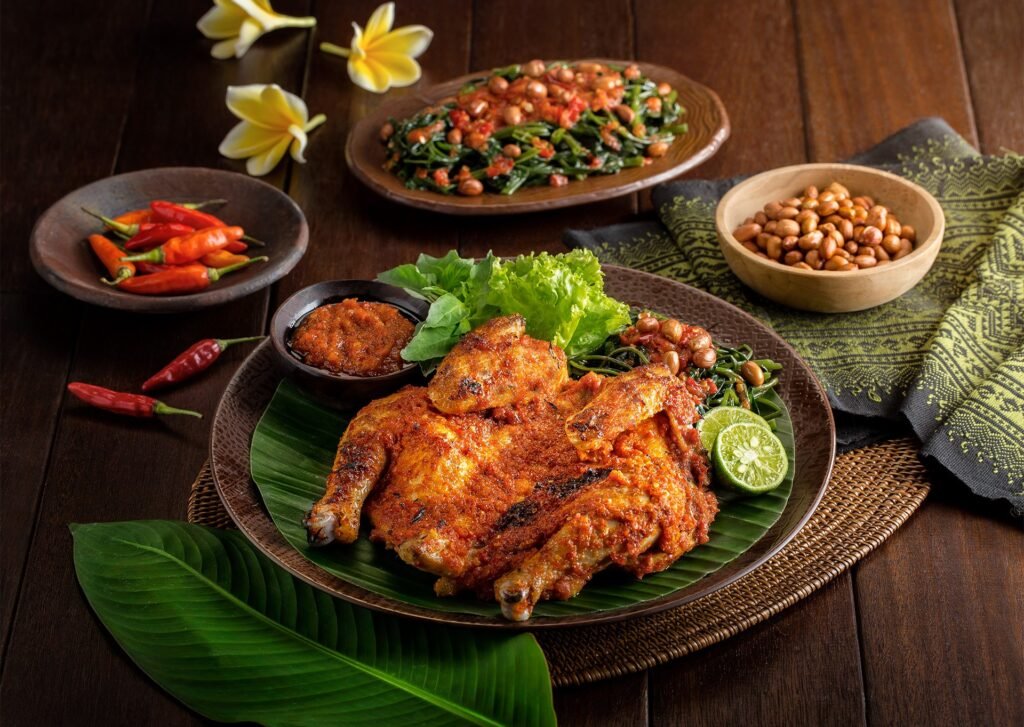
Let’s talk about ayam taliwang. This beast of a dish isn’t here to play. Mild eaters? Brace yourselves. Spice lovers? Welcome home.
The chicken is usually grilled over charcoal, so you get that irresistible smoky hit. Then comes the chili paste—bright red, unapologetic, and loaded with flavor boosters like tomato, garlic, lime, and shrimp paste. The first bite warms you up… the second bite makes you gulp water… and the third bite? Well, that’s when you realize you’re hooked.
When exploring traditional Indonesian cuisine, ayam taliwang is that one dish that checks:
✔ bold
✔ spicy
✔ smoky
✔ unforgettable
And let’s be real—you’ll brag about it to your friends later.

Nasi Goreng: Comfort Food of the Entire Nation
Ah yes, the national soulmate—nasi goreng. If Indonesia had to pick one dish to represent the word “comfort,” this would be it. Simple? Yes. Ordinary? Never.
A good nasi goreng hits different. The mix of garlic, shallot, chili, and kecap manis (the divine sweet soy sauce of legends) creates a flavor combo so iconic you can identify it blindfolded. Then come the toppings: fried egg, shredded chicken, shrimp, satay, or even leftover fridge mystery ingredients. It always works.
My most memorable bowl? A midnight nasi goreng after a long day—eaten from a paper box with a wooden spoon while chatting with friends about life. Not fancy, but unforgettable. That’s the magic of traditional food: sometimes the simplest moments become core memories.
And really, no journey into traditional Indonesian cuisine feels complete without a plate of this fried-rice goodness.
Rendang: Slow-Cooked Majesty Worth Every Second
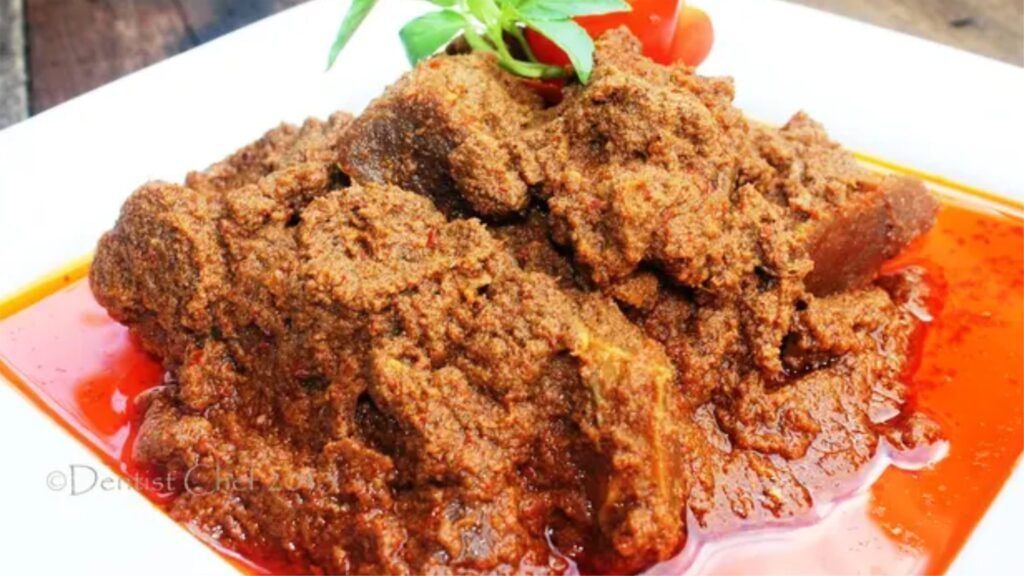
Now this… this is royalty. Rendang is the queen of traditional Indonesian cuisine—rich, intense, and made with the kind of love that requires time, precision, and a serious relationship with your cooking pot.
The beef simmers in coconut milk and nine-plus spices (yes, nine) until the liquid slowly evaporates and the flavors merge into an almost caramelized perfection. The texture? Tender enough to shred with a nudge of your spoon. The taste? Deep, warm, and comforting—like a hug from someone who really, truly loves you.
No wonder it’s often called one of the best dishes in the world.
How Tradition Shapes Every Bite
Here’s something many travelers don’t realize: food in Indonesia isn’t just food. It’s culture. It’s identity. It’s connection.
Meals are shared, dishes are rarely eaten alone, and kitchens are basically unofficial family meeting rooms. Even street stalls feel like tiny community corners—everyone chatting, laughing, gossiping, enjoying food together.
When you’re eating traditional Indonesian cuisine, you’re not just consuming flavors. You’re participating in a ritual of togetherness, generosity, and hospitality. And honestly? It feels insanely good.
The Subtle Language of Flavors
I know it sounds dramatic, but Indonesian dishes really do “speak.”
Rendang speaks patience.
Ayam taliwang speaks bravery.
Nasi goreng speaks comfort and nostalgia.
Each dish delivers a message without saying a word. And before you realize it, you’re nodding along—like, “Yeah… I get it.”
That’s why traditional Indonesian cuisine sticks with people long after their vacation ends. It’s not just the flavor—it’s the emotional echo.
A Personal Tip: Start With Curiosity, End With Gratitude
If you’re exploring traditional Indonesian cuisine, do it with full sensory awareness. Smell the spices before the food even lands. Observe the color combinations. Let the anticipation hit you. Then take that first big, brave bite.
Try ayam taliwang when you crave thrill.
Try nasi goreng when you want comfort.
Try rendang when you need depth.
And no matter what you choose, remember: every dish is a story, a culture, a memory served on a plate.
The Timeless Charm of Traditional Indonesian Cuisine
At the end of the day, traditional Indonesian cuisine isn’t just about eating—it’s about feeling. It’s about connection, warmth, excitement, and the kind of flavors that stay with you long after the meal. So if you’re looking for food that feels like a journey, a celebration, and a warm hug in one… well, you’ve already found it.