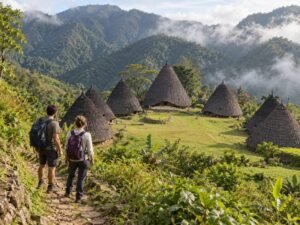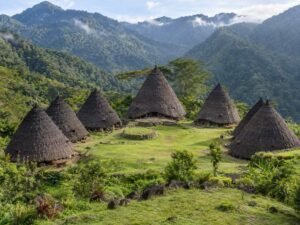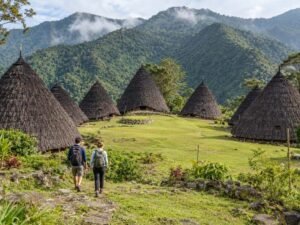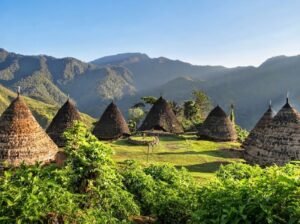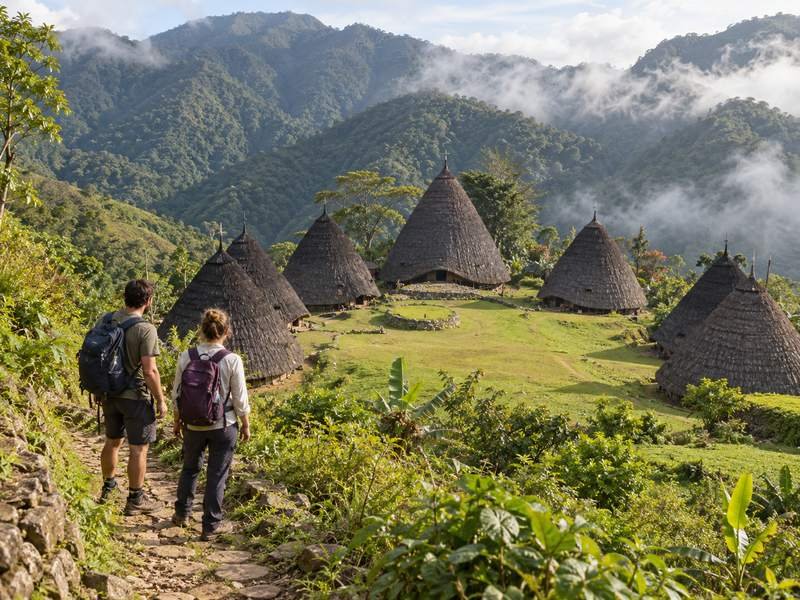
Our first question about a wae rebo trip is usually how much time you’ve got left in Flores. One spare day before flying home? We’d leave it for another visit. Two days with a little flexibility afterwards? Now there’s room to talk about a mountain walk without squeezing it between airport transfers.
The photographs leave out quite a lot of travelling.
From Labuan Bajo, reaching the village means a long drive towards Denge, followed by an uphill forest trek. We favour an overnight stay because you can arrive, catch your breath, and actually spend time there. Turning around soon after reaching the houses would feel like a shame.
Give your Wae Rebo trip room on the calendar
Two days and one night is the arrangement we’d consider first for a departure from Labuan Bajo. It isn’t a fixed formula. The road journey takes a substantial part of the day, and a group walking slowly will need more trail time than a group travelling light.
That’s fine. The schedule should allow for it.
We wouldn’t add every roadside stop that appears on a map. A relaxed lunch before the walk sounds more appealing than another viewpoint followed by a hurried climb. There’ll already be plenty to look at through the car window.
We also approach a Wae Rebo tour as a visit to someone’s home village. That changes the pace once you arrive. Local hosts decide how visitors are welcomed, and we’d leave room for their arrangements rather than expect an afternoon organised around our cameras.
Day one has two very different halves
In the car, you’re sitting down for hours. On the trail, you may suddenly wish you’d stretched your legs a little more during the drive. We think that transition deserves a proper pause near the starting point, especially for anyone prone to travel sickness.
For this Wae Rebo trip, we prefer a proper lunch break before putting on our walking shoes.
A useful Wae Rebo trip itinerary starts with an early departure, but we’d settle the actual pickup time after discussing current access with the team. An itinerary copied from an old blog can’t tell you what the road will be like on your travel date.
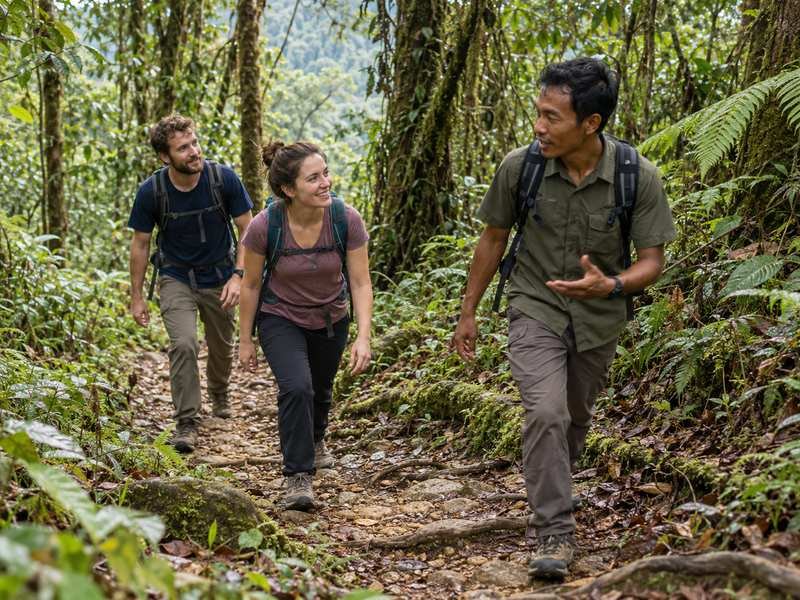
After a meal and a chance to sort your walking bag, the forest section begins. Several hours uphill is a sensible expectation to discuss, with extra room for rests or wet ground. We’d avoid promising an arrival time based on the fastest person in the group.
Once you’re in the village, the travelling can finally stop. Dinner and an overnight stay may sound like a modest reward for that effort. To us, having nowhere else to rush is part of the appeal.
The walk is where packing gets personal
A bag that feels small beside your hotel bed can feel surprisingly awkward halfway up a hill. We’d take only what’s needed for the overnight stay, with the main luggage arrangement agreed beforehand. Carrying spare outfits for the rest of your holiday won’t improve this particular walk.
Your shoulders get a vote.
Shoes with grip would be our first choice, especially if rain has left the path slippery. Dry clothes can go inside a waterproof liner, while water stays somewhere you can reach without unpacking everything. Small decisions, but you’ll appreciate them when you’re warm and ready for a break.
For a family Wae Rebo trip, we’d talk about the children’s walking habits before their ages. A child who enjoys long walks may approach the trail quite differently from one who gets tired after a short outing. The adults deserve the same honest conversation.
A private car can give you flexibility over road stops. It won’t make the uphill section shorter, so anyone worried about mobility should discuss the actual route before paying a deposit.
An overnight stay means sharing space
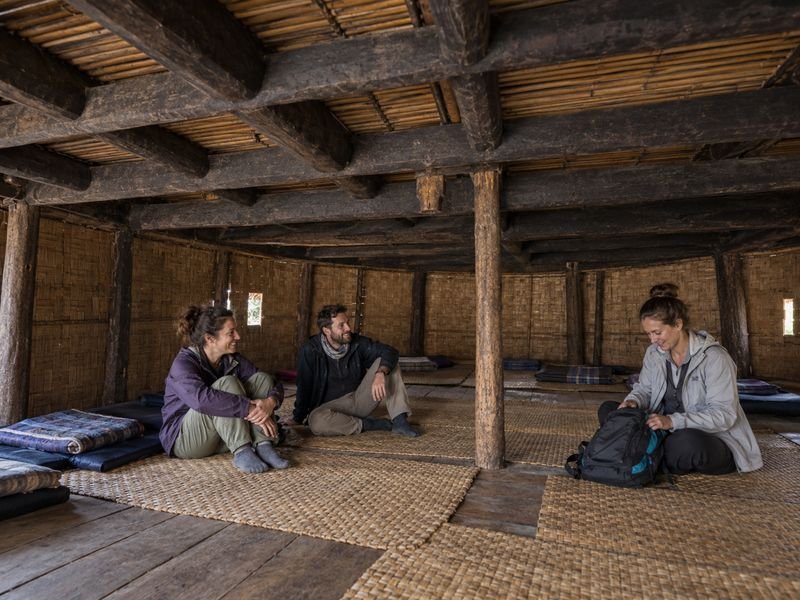
We like the idea of sleeping in the village, but we’d want you to know what you’re agreeing to. Visitor accommodation can involve communal sleeping arrangements inside a traditional house. Couples expecting a private room should have that conversation before booking, not while putting their bags down.
Simple, yes. Private, not necessarily.
The mountain air can feel cool after days around the coast, which is why we’d make room for a warmer layer even in a small bag. We’d also arrive with enough charge for practical phone use. Limited electricity and patchy reception aren’t ideal companions for an evening spent uploading videos.
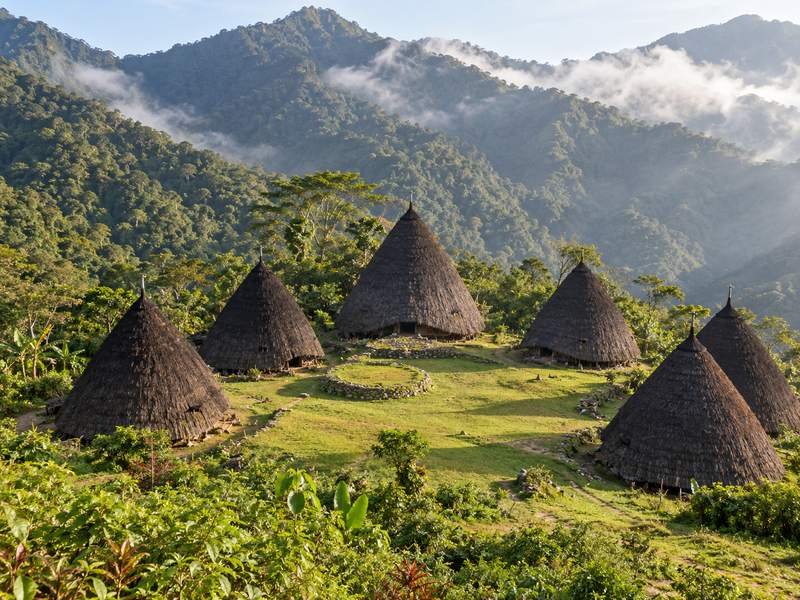
The cone-shaped Mbaru Niang houses will probably draw your attention straight away. Still, our camera would stay down during the welcome until the hosts indicate what’s appropriate. A beautiful doorway may also be somebody’s private space.
We’d apply the same courtesy to portraits. Some people may be happy to be photographed; others may prefer to carry on with their day. Permission makes that distinction clear without turning an ordinary interaction into an uncomfortable one.
Leave something in your legs for tomorrow
Breakfast doesn’t mark the end of the travelling. You’ve still got the descent and the drive back, so we’d keep day two fairly open beyond those essentials. An extra attraction can stay a possibility, without becoming something everybody feels obliged to reach.
Downhill isn’t effortless either.
If the ground is wet, descending may take more concentration than you expected. We prefer a patient return over trying to recover time lost earlier in the day. Back in Labuan Bajo, a shower and a meal may be quite enough entertainment.
We’d keep the evening after your Wae Rebo trip free, even if you normally enjoy going out after dinner.
Putting the mountains beside a sailing holiday
We’d place a Komodo private boat tour after a buffer night in Labuan Bajo, so a delayed return from the highlands doesn’t immediately become a boarding problem. Having a private boat arrangement doesn’t mean its departure can move indefinitely.
One quiet night helps.
There’s also the question of energy. After a long road journey and two walking days, you might welcome a slower evening before heading to the harbour. We think that makes a better start to sailing than arriving with muddy shoes and a half-packed bag.
The sea portion has its own uncertainties. Weather and harbourmaster clearance may change the route, while government rules can affect access. We wouldn’t promise every planned stop, and wildlife sightings should remain a possibility rather than a booking condition.
Can you go without staying overnight?
Possibly, depending on where you start and the arrangements available. From Labuan Bajo, our preference remains an overnight visit because doing the road journey and both walks in one day can leave little time in the village.
Will everyone enjoy the accommodation?
Probably not. If private facilities are essential to your comfort, we’d establish exactly what’s available before deciding whether this stay belongs in your holiday.
What should you ask about the price?
Ask for the inclusions in writing. We’d want to understand the transport and guiding arrangements, then see how accommodation and meals are covered. Village charges should be clear too; guessing at extra payments isn’t a good way to start the walk.
Can the team help combine land and sea?
Yes, you can discuss both parts through the official Sailing Labuan Bajo website. Send us your available dates and say whether the Wae Rebo trip would come before or after sailing. That gives the conversation somewhere practical to begin.
We can then discuss the available trip types and boat options around your time in Flores. Confirm the pickup point and current conditions with the team, along with the proposed itinerary. If the days look crowded, we’d be honest about leaving something out. A holiday usually feels better when there’s time to enjoy where you are.