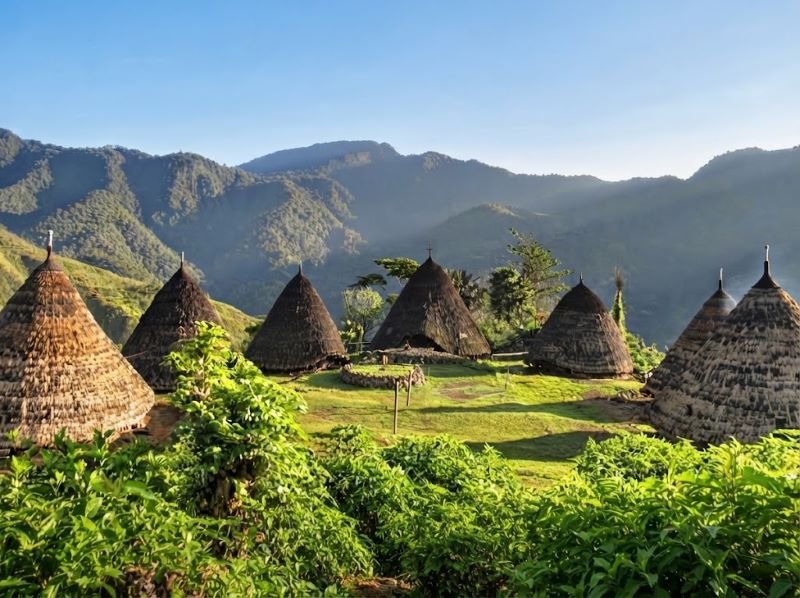
Wae Rebo is the kind of place that can make a busy Flores itinerary feel suddenly quiet. After hours of roads and mountain scenery, the focus is no longer on how many attractions you can fit into a day. You are entering a living village, and that changes how the visit should feel.
That is the heart of Wae Rebo culture. The appeal is not simply a photograph of traditional houses. It comes from seeing a community where architecture and local customs still belong to everyday life. For visitors, the most rewarding approach is usually to arrive curious rather than treating the village as another stop to collect.
It is beautiful, certainly. But beauty is only the surface. Understanding where you are makes the journey much more meaningful.
Wae Rebo Culture Is More Than an Iconic View
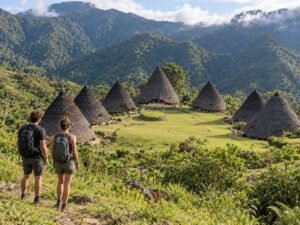
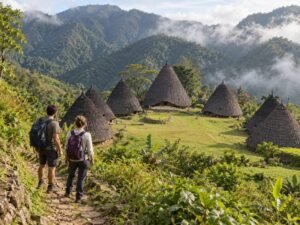
Many travelers first recognize Wae Rebo from images of its distinctive Mbaru Niang houses. Their tall conical roofs have become closely associated with the village. Seeing them against the surrounding highland landscape is striking, yet concentrating only on the architecture misses much of the point.
The village is connected to Manggarai cultural traditions in Flores. Homes and communal spaces are part of a community rather than a staged tourism set. That sounds obvious, but it matters once cameras come out and visitors begin moving through the village.
If you want more background before making the journey, reading about the Wae Rebo tribe can give useful context about the community you are visiting. A little understanding beforehand can turn familiar travel images into something with much more depth.
Why the Traditional Houses Leave Such a Strong Impression
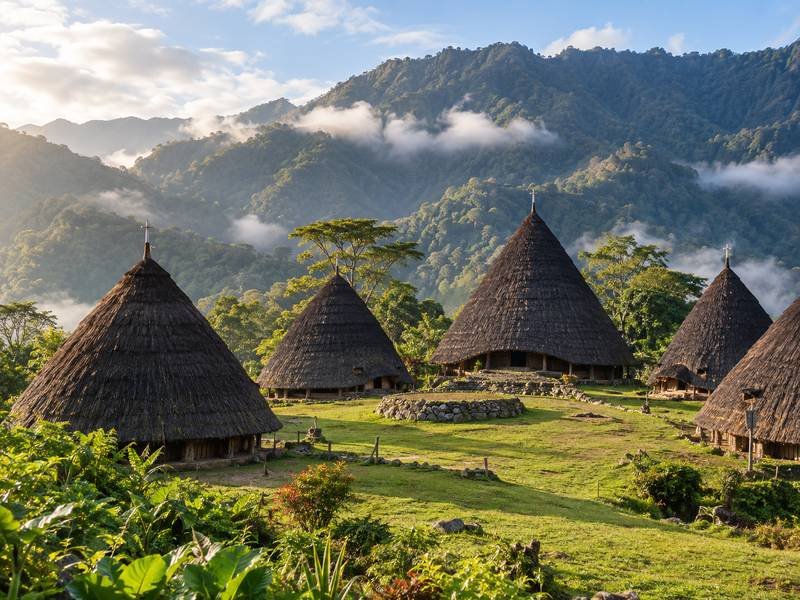
The Mbaru Niang houses immediately change the scale of the scene. They rise prominently from the village area, while the mountains around them make everything feel enclosed and remote. Standing there feels quite different from looking at the same view on a phone.
Architecture also gives visitors an accessible way into Wae Rebo culture. You do not need to pretend to understand every local custom after one short visit. Start by observing. Notice how the village is arranged and how communal life fits around its traditional buildings.
And remember that these structures have cultural meaning beyond their appearance. Treating homes purely as photo props strips away exactly what makes the place interesting.
A Respectful Visit Changes the Experience
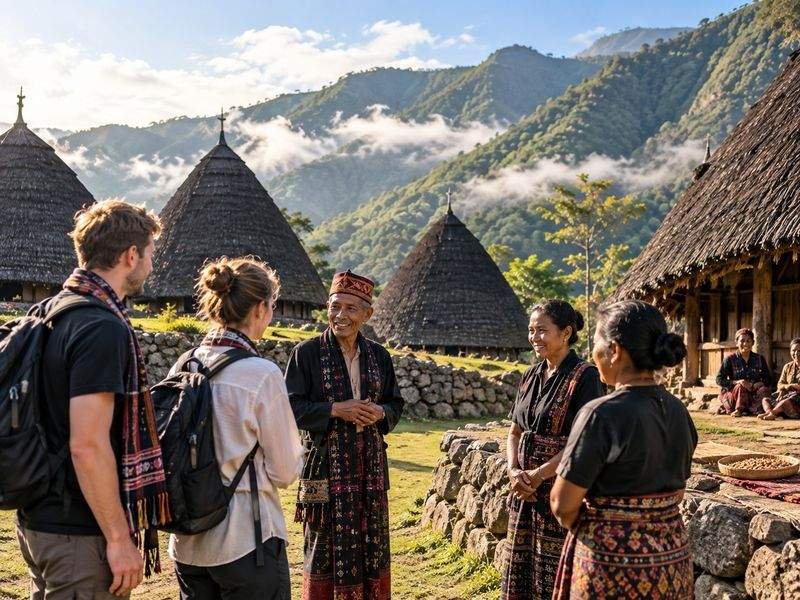
There is a simple rule worth carrying into Wae Rebo: you are a guest before you are a photographer. Local guidance should take priority when it comes to where visitors may enter or how particular activities are handled.
Photography deserves the same awareness. A landscape photograph is one thing. Photographing people at close range is more personal, so asking permission when appropriate is a better habit than assuming every moment is available for a camera.
A few practical principles make sense here:
- Follow instructions from local hosts or guides during the visit.
- Ask before photographing people closely or entering private spaces.
- Keep waste with you and avoid leaving anything behind.
- Dress and behave in a way that respects a living community.
- Allow local routines to continue without turning them into a performance.
None of this makes the trip less spontaneous. Quite the opposite. Once you stop trying to manufacture every photograph, it becomes easier to notice the atmosphere around you.
The Journey Is Part of the Story
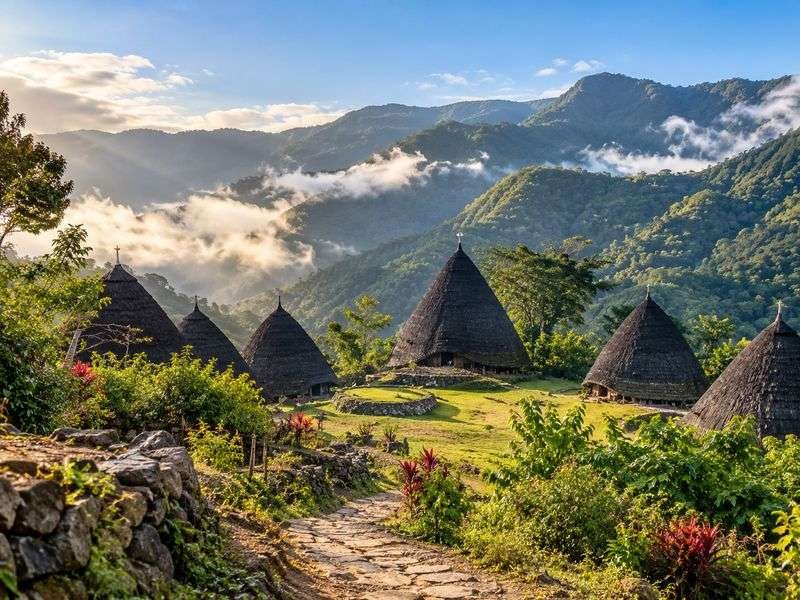
Wae Rebo is not a quick roadside attraction. Reaching the village involves traveling into the Flores highlands and completing the access journey on foot. Conditions can vary, so visitors should check current arrangements before leaving rather than relying on an old itinerary found online.
Good footwear matters. So does carrying only what you realistically want to take uphill. Weather can change the character of the walk, and local access procedures may also change over time. Confirming the latest details with a local operator or guide is more useful than building the day around a rigid timetable.
This slower arrival suits Wae Rebo culture surprisingly well. By the time you reach the village, you have already left the harbor rhythm and traffic of Labuan Bajo behind.
Wae Rebo and Komodo Feel Like Two Different Flores Journeys
A trip through western Flores does not have to choose between culture and the sea. Wae Rebo offers a mountain village setting, while the Komodo region brings sailing and island landscapes into the same broader journey.
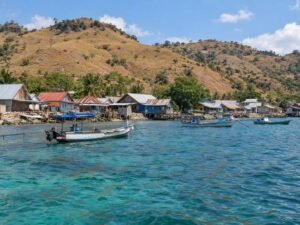
The contrast can be excellent. Spending time with Wae Rebo culture gives the mountain journey a deeper sense of place before the scenery shifts toward the sea. Later, you might be watching the coastline from a boat. Travelers who prefer more privacy at sea can also explore a Komodo private boat tour after returning toward Labuan Bajo.
Just avoid squeezing both experiences so tightly that logistics take over. Flores distances and road conditions deserve realistic travel time. Boat itineraries have another variable altogether: weather and sea conditions.
Responsible Travel Matters on Land and at Sea
The same mindset that works in Wae Rebo carries naturally into Komodo National Park. Observe rather than interfere. Wildlife should never be chased or touched, and instructions from guides should be taken seriously around Komodo dragons or marine animals.
At sea, schedules can also move. Manta sightings cannot be promised. Neither can perfect weather or a guaranteed sunrise. Sailing routes may need adjustment because of sea conditions, harbourmaster direction, government rules or other operational considerations.
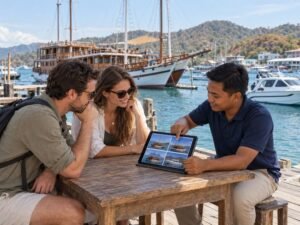
For that reason, Sailing Labuan Bajo is best used as part of the planning conversation rather than as a reason to lock every hour into place. Ask what trip type fits your route and confirm current boat options before booking.
Who Will Enjoy Wae Rebo Most?
Wae Rebo tends to make sense for travelers who enjoy the journey as much as the destination. If your favorite days are the ones with a bit of walking and a slower pace once you arrive, the village can be a memorable addition to Flores.
It may feel less satisfying if the goal is simply to arrive, take the classic photograph and leave immediately. Wae rebo culture reveals more when there is room to observe without rushing.
Families and couples should consider the physical journey as well as their wider itinerary. Backpackers may appreciate the cultural contrast with coastal travel. Small groups should think carefully about pace, especially if Wae Rebo sits between several long travel days.
What Should You Check Before Visiting Wae Rebo?
Confirm the latest access arrangement and the level of walking involved. Ask what you should carry and whether any local procedures need to be followed when you arrive. Current information matters more than an itinerary copied from somebody else’s trip.
Can Wae Rebo Be Combined With a Komodo Sailing Trip?
Yes, the two experiences can form part of a wider Flores journey, but allow sensible travel time between the highlands and Labuan Bajo. Your Komodo departure should also leave room for operational changes rather than depending on an overly tight connection.
Is Wae Rebo Only Worth Visiting for the Houses?
No. The architecture is the visual highlight for many visitors, yet reducing the village to its houses misses the cultural context. The stronger reason to go is to encounter Wae Rebo culture with enough patience to appreciate where those buildings belong.
Should I Ask Before Taking Photos?
When photographing people closely or entering spaces that may be private, asking permission is a respectful default. Follow any guidance given by hosts or local guides during your visit.
Can Weather Affect the Trip?
Yes. Mountain conditions can influence the journey to Wae Rebo, while weather and sea conditions may affect sailing around Komodo. Check current circumstances before departure and keep some flexibility in the plan.
What Should I Plan After Wae Rebo?
That depends on your travel style. Some visitors continue their Flores route, while others return toward Labuan Bajo and change pace completely with a sailing trip through the Komodo area.
Give Wae Rebo Enough Time to Feel Different
The most memorable part of Wae Rebo culture may not be a single building or photograph. It can be the shift in pace itself. You arrive after a journey, spend time in a living community and leave with a different impression of Flores than the one seen from the coast.
If your wider trip continues to Komodo, keep that same sense of patience. Book your Labuan Bajo sailing trip through the official website and ask the team about available dates, trip type and boat options. Confirm the itinerary and pickup point too, then discuss weather conditions and which Komodo sailing package fits the way you actually like to travel.