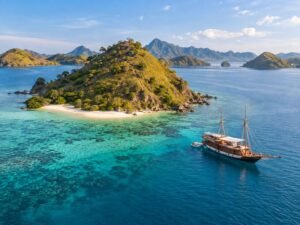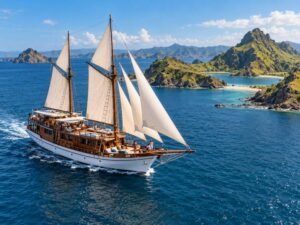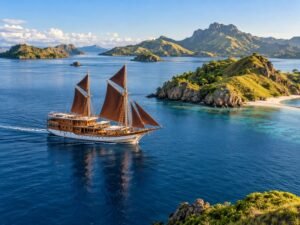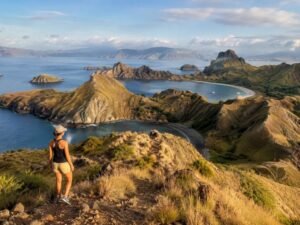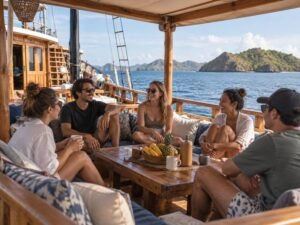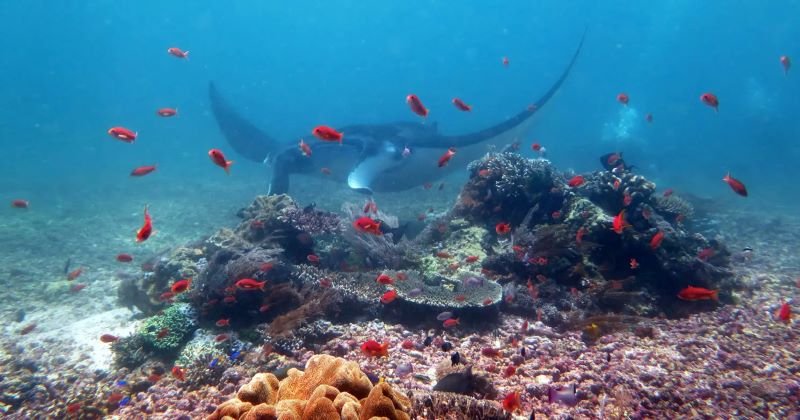
Komodo can look almost suspiciously simple in photos. Clear water, a boat offshore, somebody already halfway into the sea. The actual day has more personality than that. Wind can pick up, current may feel stronger than expected, and a snorkeling stop that looked obvious when you booked may need a different call from the crew.
That is worth knowing before you start collecting snorkeling spots on a wish list. Around Komodo, a good day is not necessarily the one with the most stops. It is the one where the route still makes sense once real sea conditions enter the conversation.
Several areas around Labuan Bajo and Komodo National Park may fit a sailing itinerary. Think of them as possibilities rather than promises. Weather can reshape the route, while harbourmaster instructions may affect the day.
Let the Water Decide a Little
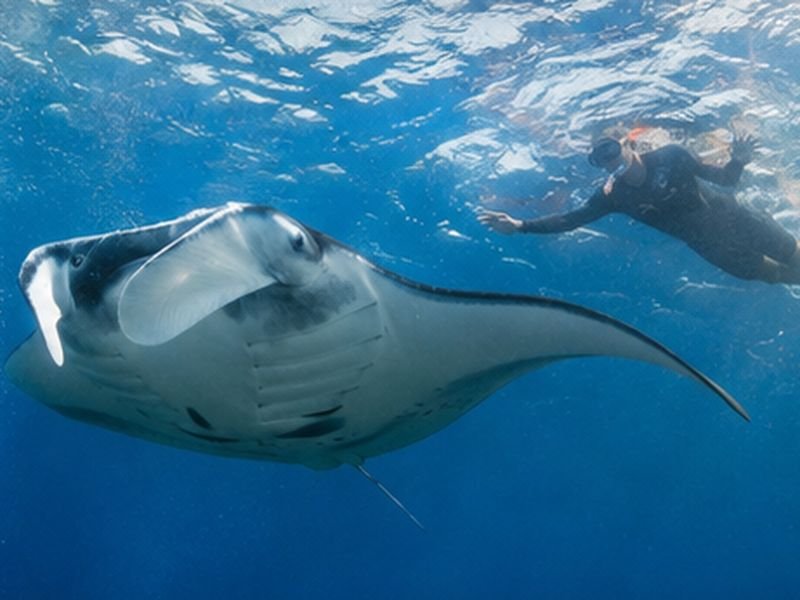
Manta Point is one of the names people recognize first. Seeing a manta ray in open water would be a remarkable moment, but it remains a wildlife encounter rather than an appointment.
Manta rays may be present or they may not. Conditions matter before anyone gets into the water. Current can affect whether a stop feels comfortable, especially for swimmers who have mostly snorkeled in sheltered bays.
If Manta Point is high on your list, this overview of manta point komodo gives useful context before departure. Should a manta appear, stay calm and give it room. There is no need to chase an animal for a closer photo.
Taka Makassar Looks Gentle From the Boat
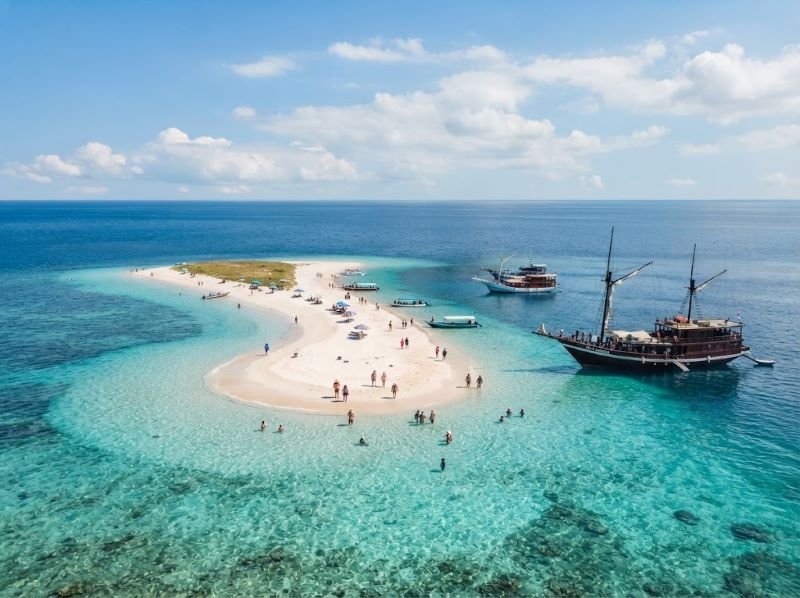
From the boat, Taka Makassar can look like a pale strip surrounded by blue. Up close, the openness is what stands out.
That does not mean every part of the surrounding sea behaves gently. Follow the crew when they choose where to enter. Surface appearance can be misleading.
Travelers with only one full day in Labuan Bajo may consider a 1 day trip komodo. A speed boat can cover ground quickly, but that changes the rhythm. Ask how much time is realistically spent in the water instead of judging the trip by the number of destination names.
Pink Beach Gives the Day Another Rhythm
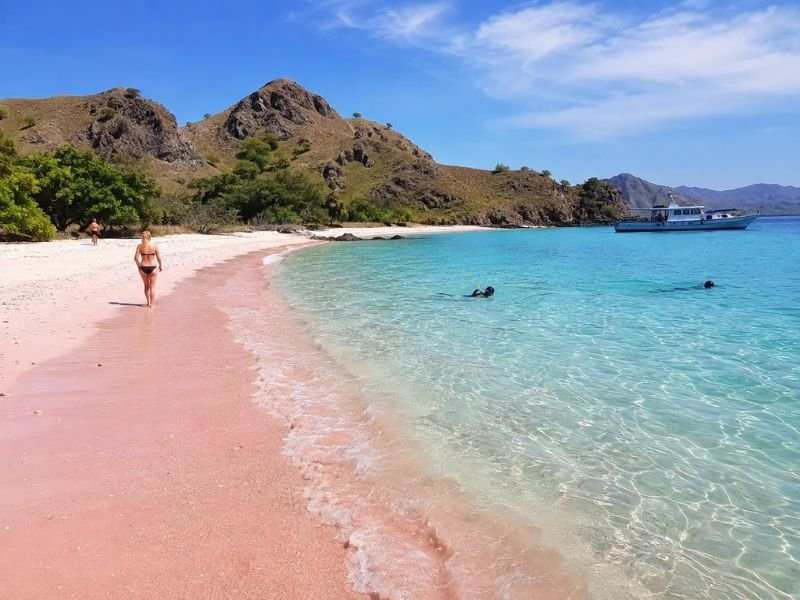
Pink Beach can give the day a useful pause. You may have time on shore before going back into the water, depending on the route and conditions. That break matters after several hours around boats and salt water.
This is also a good place to remember how easily coral gets damaged. Avoid putting your feet down on reef. If your mask needs fixing, look for a safe place to float instead. A photo is never more important than leaving the reef undisturbed.
When Reef Time Matters More Than Another Viewpoint
If you love being in the water, more reef time can matter more than adding another viewpoint. Mention that before booking instead of hoping the standard route happens to match your priorities.
Sebayur may enter the conversation when snorkeling time matters. The exact area still needs to be chosen by the crew according to conditions, because a good snorkeling spot cannot sensibly be locked in from a desk days beforehand.
A marine-focused route such as a komodo tour manta can be worth discussing if water time sits near the top of your list. Planning around snorkeling spots is possible. Promising a particular animal sighting is not.
A Fast Boat and a Liveaboard Feel Nothing Alike
A speed boat makes sense when time is tight. A liveaboard changes the experience because the boat becomes somewhere you actually live for a while, not just transport between stops.
Open trips add a social element. Private sailing gives you more room to discuss pace. Neither format controls the sea.
Comfort becomes noticeable after the first swim. Shade feels good when your hair is still salty. Facilities such as meals or snorkeling equipment may be included depending on the package, so confirm what applies to your boat.
Five Checks Before the Boat Leaves
You do not need a complicated preparation routine. A few clear questions before departure usually tell you more than a glossy itinerary does.
- Ask which snorkeling equipment comes with your package.
- Tell the team honestly if swimming is difficult for you.
- Check whether a life jacket is available for the water.
- Confirm where you need to be for pickup.
- Ask what happens when a planned stop is not suitable that day.
If conditions are poor, changing the plan can be the sensible decision. An itinerary should guide the day, not trap the crew into making a bad call because a location appeared on the booking page.
The Trip Does Not End at the Waterline
Komodo sailing mixes very different experiences. One part of the day may involve a mask and fins. Another could put you on a trail or walking with a local guide in a protected area.
Travelers building a wider Indonesian route can also read about planning a komodo dragon trip bali. The same realistic thinking applies on land. Komodo dragons are wild animals, and a particular encounter should never be treated as guaranteed.
It is tempting to squeeze every famous name into one trip. At some point, the itinerary starts winning. Leaving space often makes the memorable parts feel bigger.
Which Snorkeling Spots Fit Your Swimming Level?
Not every snorkeling spot has the same conditions, so be honest about your ability before entering open water. Tell the crew if you are uncomfortable. A life jacket can provide support, though it does not replace supervision or a sensible decision about whether to enter.
Will Manta Rays Definitely Be There?
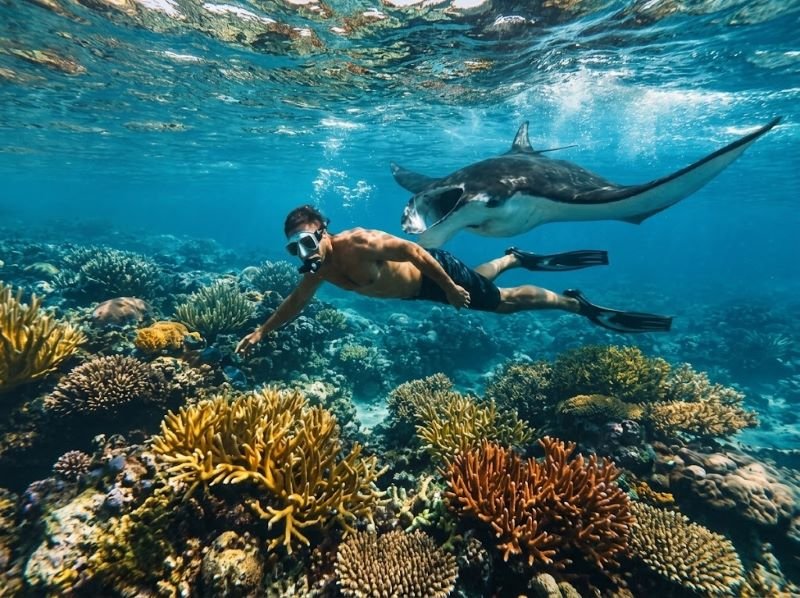
No. Manta rays move through the area naturally. A sailing trip may visit places associated with manta activity without being able to control whether the animals appear.
Should You Choose a Speed Boat or Liveaboard?
Think about how you want the day to feel. A speed boat suits travelers with limited time. A liveaboard gives you longer on the water and more downtime between activities.
What Should You Bring for Snorkeling?
If you own a mask that fits well, it may be worth packing. Otherwise, ask what equipment is supplied. Keep loose belongings secure on deck too. Wind has a habit of noticing the one thing you forgot to put away.
Can the Route Change After You Book?
Yes, and sometimes it should. Weather can shift. Sea conditions may make a stop unsuitable. Harbourmaster instructions or government rules can also affect operations.
Plan for a Good Day Not a Perfect Checklist
The most enjoyable snorkeling spots are not necessarily the ones you cross off a list. Good snorkeling spots give you time to settle into the water instead of immediately wondering when everyone has to climb back aboard.
Komodo works better with a little flexibility. Leave room to dry off and let the crew make a different call if conditions change. That matters more than squeezing another snorkeling spot into the afternoon.
When comparing snorkeling spots, tell the team what kind of water time you enjoy. Book through the official Sailing Labuan Bajo website and ask about available dates or trip type. Discuss boat options and pickup arrangements too. Before departure, check weather conditions and the itinerary that fits your travel style.