I didn’t expect a Wae Rebo group tour to feel personal.
Honestly, I thought it would be another cultural stop added between sailing Labuan Bajo and a few island photos. You know the pattern—sunset, viewpoint, drone shot, repeat. But Wae Rebo doesn’t move like that. It slows you down. Almost forces you to.
A Wae Rebo group tour is not loud. It doesn’t try to impress you. It waits.
And somewhere between the winding road from Labuan Bajo and the last stretch of mountain trail, something shifts inside you.
You notice it in small ways first.
The air gets cooler. Your phone signal fades. The road narrows. You start paying attention again.
The Climb Toward the Village Above the Clouds
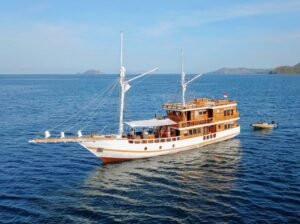
Most people combine sailing Labuan Bajo with a Wae Rebo group tour, and I get why. After days on open water—bright sun, salty skin, endless horizon—the mountain feels like another world entirely.
The journey begins from Denge Village. From there, it’s a trek. Two to three hours, depending on your pace. The path is clear but uneven. You hear your own breathing more than conversation. Someone jokes behind you. Someone else asks, “Are we close?”
No one really knows.
And that’s part of it.
The forest is dense in places, then suddenly open. Sometimes mist slides between the trees like it’s undecided. The guides walk steadily, not rushed. They’ve done this hundreds of times, yet they don’t treat it casually.
On a Wae Rebo group tour, you’re not racing anyone. You’re negotiating with your legs, your lungs, your thoughts. There’s a strange rhythm that develops—step, step, pause. Sip water. Look up.
Then it happens.
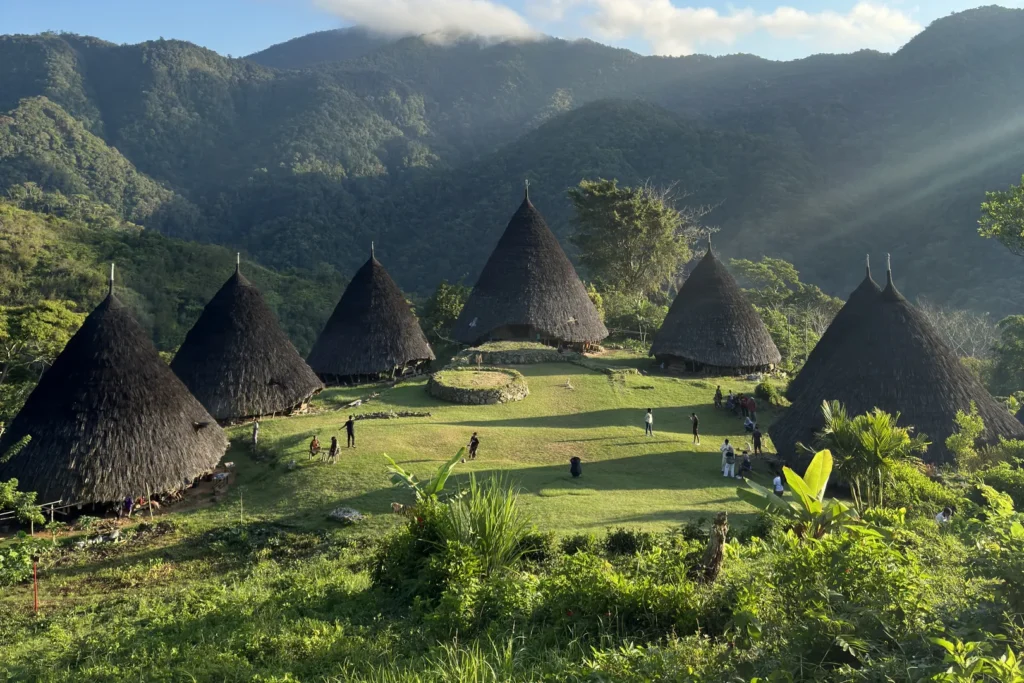
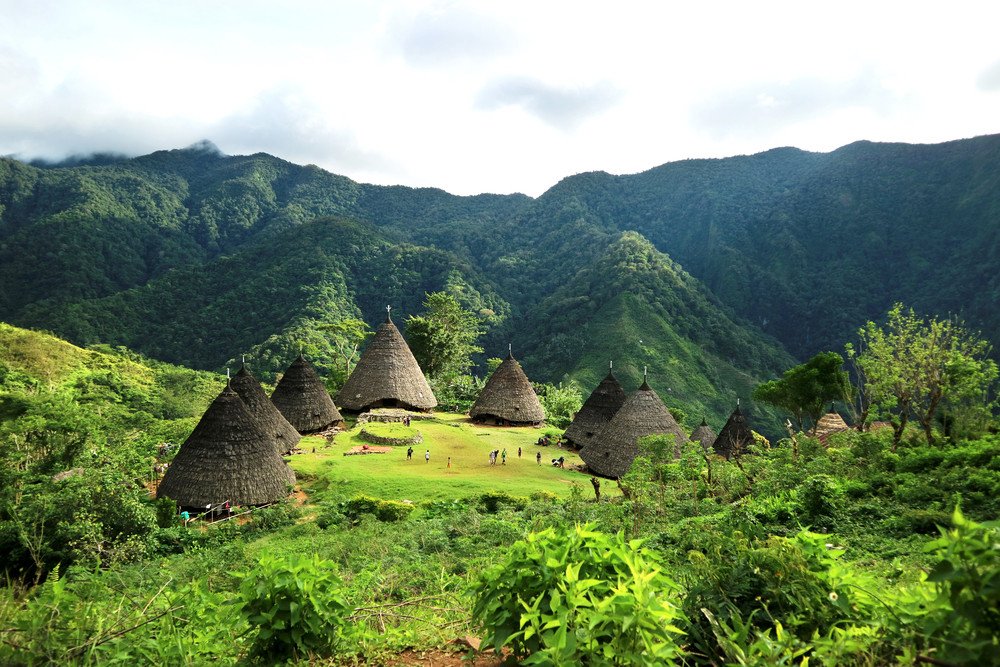
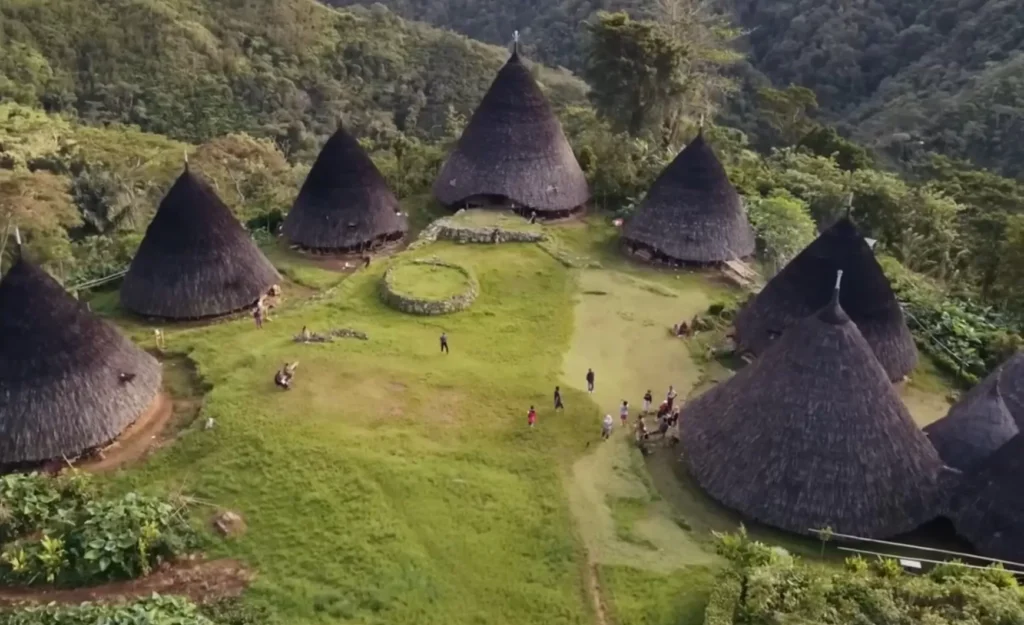
The trees thin out. The clearing appears. Seven cone-shaped houses standing in a circle, wrapped in moving cloud. The famous village above the clouds. And for a few seconds, nobody speaks.
It doesn’t feel staged. It feels… ancient.
More Than a UNESCO Cultural Heritage Label
Yes, Wae Rebo is recognized as a UNESCO Cultural Heritage site. That title sounds formal, almost distant. But standing there, it feels lived-in.
Children run across the open courtyard. Chickens wander without concern. Smoke rises from inside the Mbaru Niang houses. It’s not preserved behind glass. It’s breathing.
A Wae Rebo group tour begins with a welcoming ceremony. You sit cross-legged on woven mats. An elder speaks in Manggarai language. The guide translates softly, but even before translation, you sense the meaning: respect, permission, responsibility.
You are not just visiting.
You are being received.
And that subtle difference matters.
I remember noticing the texture of the floor—slightly rough bamboo beneath my fingers. The air carried a mix of wood smoke and damp earth. It wasn’t polished. It wasn’t curated. It was real.
Sometimes authenticity is overused in travel writing. Here, it simply exists.
Sleeping Inside the Mbaru Niang
Spending the night is where a Wae Rebo group tour becomes something else entirely.
Inside the Mbaru Niang, the structure rises dramatically overhead, like being inside an inverted cone. The central fireplace glows in the evening. Mattresses are arranged in a circular pattern along the wooden floor.
There is no privacy curtain. No air-conditioning. No hot shower waiting.
At first, you notice the absence.
Then, slowly, you notice what’s present instead.
The warmth from the fire. The low hum of conversation. Someone sharing snacks they carried up the mountain. Laughter that feels softer than usual, as if the walls absorb excess noise.
I barely slept the first hour. Not because it was uncomfortable—but because I was listening. The wind brushing the thatched roof. A baby crying briefly in another house. Footsteps outside.
You don’t realize how used you are to artificial noise until it’s gone.
On a Wae Rebo group tour, that shared overnight stay builds quiet connection. Strangers become companions. You exchange small stories in the dark. Nothing dramatic. Just human.
And that lingers.
The Contrast With Sailing Labuan Bajo
Let’s talk about contrast.
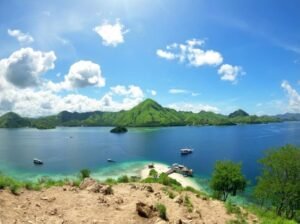
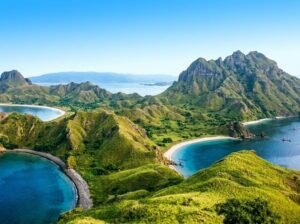
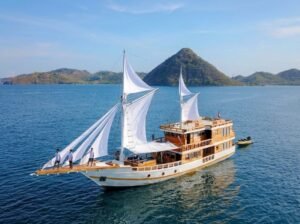
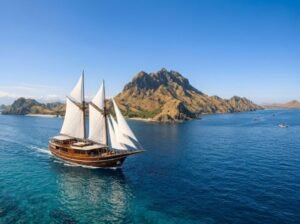
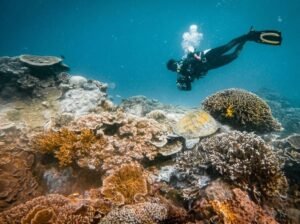
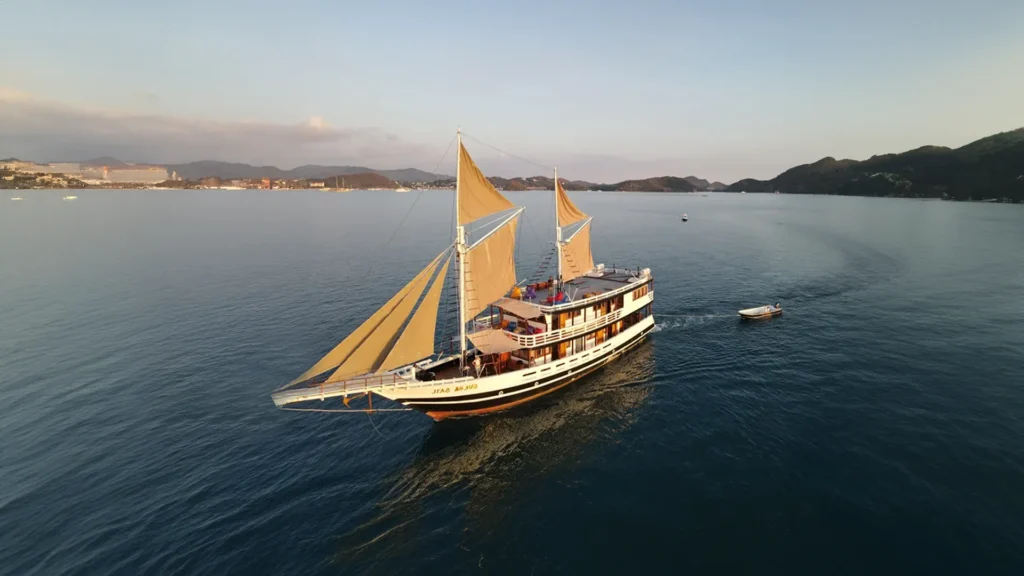
Sailing Labuan Bajo is expansive. Bright mornings. Turquoise water. The deck warm under your feet. You chase viewpoints, snorkel spots, pink beaches. It’s exhilarating.
A Wae Rebo group tour feels contained. Intimate. Slower.
Ocean travel stretches you outward. Mountain travel pulls you inward.
When you combine sailing Labuan Bajo with Wae Rebo, you begin to understand Flores as more than a destination. It becomes layered. Textured.
I met a couple who did the boat trip first. They said Wae Rebo felt like a decompression chamber after days of stimulation. Another traveler did it in reverse—mountain first, ocean later—and described the sea as a celebration afterward.
There’s no correct sequence. Only experience.
But the two journeys speak to each other in unexpected ways.
The Trek Down Feels Different
It’s interesting—nobody talks much about the descent.
Going down after your Wae Rebo group tour feels lighter physically, but heavier emotionally. You move faster. The forest seems less mysterious now. You recognize turns in the trail.
But there’s a quiet awareness that you’re leaving something fragile behind.
Halfway down, someone usually says, “It feels unreal that we were up there.”
And it does.
The village above the clouds slowly disappears behind trees and slope. You check your phone again once signal returns. Notifications flood in. The outside world resumes.
Yet something small resists it.
Maybe it’s the memory of sitting in that circular courtyard at dawn, watching mist dissolve around the rooftops. Maybe it’s the sound of the elder’s voice during the ceremony. Maybe it’s simply the shared effort of climbing together.
A Wae Rebo group tour has a way of embedding itself quietly. Not dramatically. Just persistently.
Is It For Everyone?
Probably not.
If you need constant connectivity, fixed schedules down to the minute, or climate-controlled comfort, this might challenge you. The hike requires moderate fitness. The facilities are basic. The rhythm follows the village, not you.
But if you are curious—truly curious—about life beyond curated travel experiences, a Wae Rebo group tour offers something rare.
It offers participation.
You eat what the villagers prepare. You sleep under their roof design. You listen before you photograph. You adapt before you critique.
That mindset changes the experience entirely.
And here’s the thing: even if you arrive thinking it’s just another cultural stop between sailing Labuan Bajo adventures, you might leave realizing it was the emotional center of your trip.
I’ve seen it happen.
Travelers who were initially quiet become reflective. People who rushed at first begin slowing their speech. There’s a softening that takes place.
Not instantly. Not dramatically.
Gradually.
Why a Wae Rebo Group Tour Stays With You
Weeks later, when daily routines return, flashes of Wae Rebo appear unexpectedly.
Steam rising from morning coffee might remind you of smoke curling inside the Mbaru Niang. A patch of fog on a highway brings back the village above the clouds. Even the word “heritage” feels different after experiencing a UNESCO Cultural Heritage community that is still alive, not frozen.
A Wae Rebo group tour doesn’t overwhelm you with spectacle. It invites you into rhythm.
And maybe that’s why it’s hard to explain to others. It’s not just about architecture or trekking or photography. It’s about perspective.
You climb a mountain to reach a small circle of houses.
You sit. You listen. You sleep on a wooden floor.
You walk back down.
Simple sequence. Nothing extravagant.
Yet somewhere between the first uphill step and the last downward turn, the Wae Rebo group tour becomes more than an itinerary item. It becomes a reference point—a reminder that meaningful travel isn’t always about distance covered, but about depth entered.
And if you’re already planning Flores, already imagining sailing Labuan Bajo under a wide blue sky, maybe consider adding the mountain to your story.
Because sometimes the quietest places speak the longest.